Our Blog

7 Advantages of In-Home ABA Therapy for Your Child
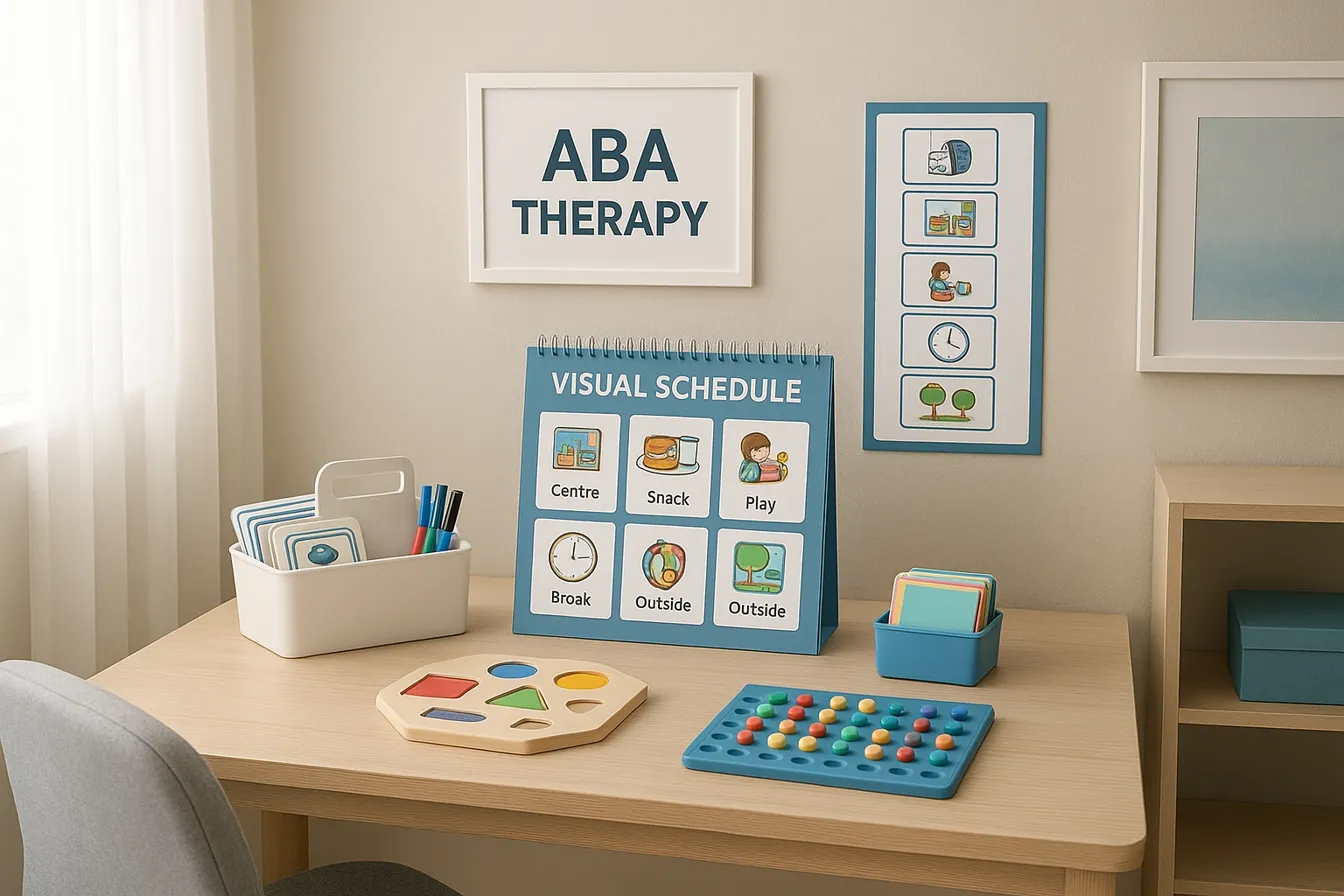
Introduction to the Benefits of In-Home ABA Therapy
Overview of ABA Therapy as a Science-Based Treatment for Autism
Applied Behavior Analysis (ABA) therapy is a highly validated, evidence-based approach dedicated to supporting children with autism spectrum disorder (ASD). It focuses on enhancing communication, social skills, daily living abilities, and reducing challenging behaviors through positive reinforcement and tailored treatment plans.
Importance of Delivering Therapy in a Child’s Natural Environment
In-home ABA therapy takes place in the child’s own home, a familiar and comfortable setting. This natural environment allows children to better generalize and apply skills to everyday routines, reducing anxiety and sensory overload often experienced in unfamiliar or clinical settings.
Role of Personalized, Family-Centered Care in ABA Therapy
Each child’s treatment is uniquely designed by a Board-Certified Behavior Analyst (BCBA) to reflect their individual strengths, needs, and interests. Family involvement is an essential part of this process, empowering parents and caregivers through training and active participation. This collaboration ensures that therapeutic gains are reinforced consistently beyond therapy sessions.
How In-Home Therapy Creates a Supportive Foundation for Development
Delivering therapy at home promotes skill development within real-life contexts such as mealtime or dressing routines. The in-home setting fosters comfort, engagement, and trust, creating an ideal space for children to build independence, improve social interactions, and gain lasting skills that carry over into broader environments.
In-Home ABA Therapy Key Facts
- In-home ABA therapy leverages the child's familiar environment to customize interventions using daily routines.
- Familiar home settings reduce sensory overload and help children feel calm and secure during therapy sessions.
- Practicing skills within natural daily routines encourages behavior generalization and lasting independence.
- Flexible scheduling fits family routines, minimizes transportation issues, and supports consistent attendance.
- Involving parents and caregivers through training and participation strengthens therapy outcomes and generalization.
- Therapists embed everyday activities like dressing and mealtime into sessions to teach practical skills.
- ABA therapy in calm, familiar environments reduces sensory overload, promoting better engagement and focus.
- Immediate intervention allows for real-time support, prompt reinforcement, and strategy adjustments.
- A holistic, family-centered approach involves care coordination, training, and promoting independence.
- EverCare ABA personalizes treatment through comprehensive assessments, data-driven adjustments, and family involvement.
1. Familiar Environment Enhances Learning and Skill Generalization
How in-home ABA therapy uses the child’s natural surroundings
In-home ABA therapy takes advantage of the child’s familiar home setting to deliver personalized ABA therapy at home. By working within the child's own environment, therapists can tailor interventions to real-life contexts, using everyday objects and routines as part of skill-building exercises. This approach helps children apply what they learn directly to situations they encounter daily.
Reduction in sensory overload due to familiar settings
Children with autism often experience sensory sensitivities. The home environment is less stimulating and overwhelming compared to busy clinics, reducing sensory overload. A familiar and safe space helps children feel calm and secure, improving their ability to focus and engage in therapy sessions. For more on this, see Reducing sensory overload with in-home ABA.
Facilitation of skill generalization through practicing in daily routines
Therapists incorporate real-life routines such as mealtimes, dressing, and communication during snack time into therapy. Practicing skills in natural daily activities encourages children to generalize these behaviors outside therapy hours, promoting lasting changes and independence. Learn more about Generalization of Skills in Natural Environments.
Increased comfort leading to better engagement and focus
The comfort of being at home helps children participate more actively. With fewer distractions and anxiety triggers, they can maintain attention longer, making therapy more effective and enjoyable. Motivators like familiar toys and family presence further enhance engagement, supporting sustained progress in skill development. This is a key point of In-home ABA therapy benefits.
2. Flexible Scheduling Reduces Stress and Promotes Consistency

Scheduling convenience tailored to family routines
In-home ABA therapy benefits offers families the Flexible Scheduling for ABA Sessions around their daily lives, making it easier to maintain regular therapy without disrupting routines. This adaptability helps reduce the logistical challenges that often come with fixed appointment times at clinics.
Minimization of transportation challenges and logistical barriers
By bringing therapy directly into the home, families avoid transportation challenges such as traveling long distances or coordinating school and therapy schedules. This Convenience of In-Home Therapy notably reduces stress for both the child and caregivers.
Increased attendance and therapy consistency
Flexible scheduling supports more consistent attendance, which is essential for achieving lasting progress in behavioral goals. Families are better able to commit to sessions, ensuring continuity in intervention and reinforcing learned skills through Family Involvement in ABA Therapy.
Support for families in busy or rural locations
For families with demanding schedules or those living in rural areas, in-home ABA therapy benefits offers vital accessibility. It overcomes geographic and time constraints, allowing children to receive quality care without the burden of travel or conflicting commitments.
Through this flexible, family-centered approach, in-home ABA therapy promotes a stable, less stressful environment that enhances engagement and supports sustained developmental gains.
3. Active Family Involvement Fosters Skill Reinforcement and Progress
Parental Observation and Direct Participation in Sessions
In-home ABA therapy benefits encourages parents to actively observe and participate in sessions. This engagement allows caregivers to see firsthand how strategies are implemented, fostering a deeper understanding of their child's progress.
Training Parents and Caregivers in ABA Strategies
Therapists provide training to parents and caregivers, teaching them effective ABA techniques such as positive reinforcement, prompting, and data tracking. This education equips families with practical tools to continue skill development beyond therapy hours. Learn more about parent involvement in ABA therapy.
Improved Generalization of Skills Across Home, School, and Community
When families apply ABA methods consistently, children more effectively transfer skills to various environments. Reinforcing behaviors at home, in school, and within the community promotes the practical use of learned skills, aiding independence and adaptability. This is a key point in generalization of skills in ABA therapy.
Creation of a Collaborative Family-Therapist Team
Open communication between families and therapists is vital for tailoring treatment plans to meet each child's unique needs. Collaborative goal setting and regular progress discussions help ensure therapy stays relevant and effective. For strategies on effective family-therapist collaboration, see more here.
Empowerment of Families to Sustain Therapy Gains
By involving families in therapy, ABA provides ongoing support that empowers caregivers to maintain and build upon the child’s improvements. This partnership fosters confidence and ensures that positive behaviors are reinforced consistently for lasting impact. Discover the importance of empowering families through ABA.
4. Customized Therapy Using Real-Life Routines Increases Practical Skills

How do therapists incorporate everyday activities like dressing, mealtime, and hygiene in in-home ABA therapy?
In-home ABA therapists utilize the child's natural environment to embed learning within daily routines. For instance, they teach dressing skills by guiding children during their actual morning routine, offer communication practice during mealtime, and support hygiene habits like tooth brushing and hand washing directly in the home bathroom. This approach ensures skills are practiced in the settings where they naturally occur.
How are communication and social skills taught in natural contexts?
Communication and social interactions are integrated into real-life scenarios, such as family meals, playtime with siblings, or community outings. Therapists encourage children to use words, gestures, or assistive devices to request items, greet family members, or take turns. These practical settings help children understand the purpose and timing of social behaviors, promoting easier generalization.
How are household items used as reinforcers to motivate children?
Therapists creatively use familiar toys, preferred snacks, or everyday objects as reinforcers during therapy sessions. For example, a favorite toy can be a reward for completing a task, or a preferred snack can motivate skill practice during mealtime routines. Using these natural reinforcers makes learning more meaningful and relatable, boosting children's engagement and motivation.
Why does integrating daily routines support faster and more meaningful skill acquisition?
Learning in the child’s own environment, within familiar routines, helps reduce anxiety and distractions. Children quickly see the practical value of the skills they acquire, which encourages consistent practice and application outside of therapy sessions. Embedding therapy in real life accelerates progress and leads to sustainable, functional improvements in independence and social interactions.
5. Reduced Sensory Overload Enhances Focus and Comfort

Why Are Sensory Sensitivities Important for Children with Autism?
Children with autism often experience heightened sensory sensitivities. They may find certain sounds, lights, smells, or crowds overwhelming, which can cause anxiety, distress, or difficulty focusing.
How Does a Calm, Familiar Home Environment Help?
In-home ABA therapy benefits takes place in the child’s own home—a space they know well and find comforting. Unlike busy clinical settings filled with unfamiliar noises and many people, the home provides a calm atmosphere. This reduces sensory overload and promotes emotional comfort.
Why Do Minimized Distractions Improve Therapy Engagement?
Fewer distractions mean children can concentrate better during therapy sessions. They are more likely to participate actively and retain new skills when the environment feels safe and predictable.
How Does This Support Behavioral Regulation and Emotional Comfort?
A reduced sensory burden helps children regulate their emotions more effectively. Feeling secure and focused lowers stress, allowing therapists to teach skills more successfully and encouraging positive behaviors.
Overall, conducting ABA therapy in the home allows children with autism to engage more fully, learn more comfortably, and maintain therapeutic gains over time.
6. Immediate Behavior Intervention Enables Effective Real-Time Support
How does immediate behavior intervention improve ABA therapy effectiveness?
In-home ABA therapy benefits offers the significant advantage of addressing challenging behaviors as they naturally occur in the child's daily environment. Therapists can observe real-time situations where behaviors emerge, allowing for prompt intervention tailored to the context.
What role does real-time data collection and reinforcement play?
Therapists utilize real-time data collection to monitor behaviors instantly. This enables them to apply positive reinforcement or adjust strategies immediately, reinforcing desired behaviors effectively. The timely feedback loop strengthens learning and helps prevent harmful or disruptive behaviors from intensifying.
How do therapists adapt their strategies during sessions?
With immediate access to observe behavior in its natural setting, therapists can quickly modify their techniques based on the child's response. This adaptability ensures interventions remain personalized and relevant, leading to better engagement and faster progress.
Why is avoiding delay between behavior and intervention beneficial?
Prompt intervention minimizes confusion for the child and enhances the association between behavior and consequence. This immediacy increases the likelihood of skill acquisition and behavior improvement, as children learn what is expected in the moment rather than after a delay.
In summary, immediate behavior intervention in In-Home ABA Therapy Benefits capitalizes on real-time observations and reinforcement, allowing therapists to deliver timely, contextually relevant support that optimizes learning and developmental outcomes for children with autism.
7. Holistic, Family-Centered Approach Promotes Long-Term Success

Coordination Between Therapists and Other Care Providers
In-family ABA therapy, collaboration among therapists, teachers, speech and occupational therapists establishes a cohesive treatment plan tailored to the child's unique needs. This coordinated approach ensures learning reinforcement across environments and maximizes developmental outcomes.
Support for Siblings and Family Dynamics Through Therapy Inclusion
Including family members such as siblings in therapy sessions strengthens social interactions and nurtures supportive relationships. This inclusion fosters a harmonious home environment which positively affects the child’s progress and promotes social skill development in real-life settings.
Empowerment for Families Through Education and Communication
Parents and caregivers receive comprehensive training about ABA techniques and behavior reinforcement strategies. Ongoing communication with therapists equips families to actively participate in goal setting and progress tracking, boosting their confidence and ability to support lasting improvements.
Sustainable Progress Through Continuous Family and Therapist Collaboration
Regular collaboration between families and therapists facilitates adjustments to therapy plans, ensuring relevance as children grow. This partnership supports skill generalization across home, community, and school environments, maintaining therapy effectiveness over time.
Promotion of Independence and Confidence in Everyday Life
Family-centered ABA focuses on teaching practical skills within natural settings, such as dressing, communication, and daily routines. This personalized approach empowers children to gain independence and builds their confidence to navigate everyday life successfully.
What is Applied Behavior Analysis (ABA) therapy and how does it benefit children with autism?
Understanding ABA Therapy
Applied Behavior Analysis (ABA) therapy is a science-based behavioral modification approach designed to enhance skills and reduce challenging behaviors by analyzing and altering environmental factors influencing behavior.
Focused Developmental Areas
ABA targets crucial areas such as communication, social interaction, and daily living skills — helping children with autism develop abilities needed for everyday success.
Methodology and Individualization
Using positive reinforcement strategies, ABA creates personalized treatment plans tailored to each child’s unique needs, strengths, and challenges. Therapy sessions can occur at home, school, or other natural settings to maximize real-life skill generalization.
Importance of Early Intervention
Research shows that starting ABA early, especially before age six, leads to significant improvements in language, social skills, and overall developmental outcomes.
Overall Benefits
Through consistent, individualized therapy, ABA supports children in gaining independence, improving quality of life, and fostering social and functional skills essential for lifelong development.
How does EverCare ABA personalize ABA therapy for each child?
Comprehensive Assessments by BCBAs
EverCare ABA begins personalization with thorough evaluations conducted by Board Certified Behavior Analysts (BCBAs). These assessments identify each child's unique strengths, challenges, and family dynamics. This foundation ensures therapy is tailored to meet individual needs effectively (Applied Behavior Analysis (ABA) for autism, Personalized ABA treatment plans).
Development of Individualized, Measurable Goals
Based on assessments, therapists develop specific, measurable goals focusing on various developmental areas, including communication, social skills, daily living, and behavior management. Goals are customized to the child's developmental stage and preferences, providing clear targets that drive meaningful progress (Personalized ABA treatment plans, Individualized ABA therapy sessions).
Ongoing Data Collection and Treatment Adjustments
Therapists continuously collect data on the child's performance during sessions. This data guides regular evaluations and allows timely adjustments to the treatment plan. Such responsiveness helps maintain therapy effectiveness and addresses changing needs (Data collection in therapy, Reinforcement and data tracking).
Emphasis on Family Involvement and Training
EverCare ABA actively involves families by training parents and caregivers on ABA strategies. This empowers them to reinforce skills consistently at home, promoting generalization and maintenance of learned behaviors. The collaborative approach strengthens family confidence and fosters a supportive environment for the child (Family involvement in ABA therapy, Parent coaching in autism therapy, Parental participation in ABA, Enhancing ABA therapy effectiveness).
Therapy Tailored to the Child’s Preferences and Developmental Stage
Treatment activities and strategies are aligned with the child's interests and developmental level to promote engagement and positive outcomes. By respecting individual preferences, therapy becomes more enjoyable and effective, encouraging sustained participation and skill acquisition (Personalized ABA therapy at home, Tailored ABA Therapy for Children, Personalized ABA treatment plans).
Through this multifaceted, personalized framework, EverCare ABA delivers compassionate, adaptable care that fosters each child’s unique growth and success.
What delivery formats does EverCare ABA offer for therapy services?
In-home ABA therapy personalized to the child's environment and family
EverCare ABA provides in-home therapy that takes place in the child’s natural and familiar environment. This setting promotes comfort and reduces sensory overload, helping children focus better and generalize skills more effectively in everyday routines. Family members are actively involved in sessions, enabling parents and caregivers to learn techniques that reinforce progress between visits, making the therapy a truly collaborative effort.
Center-based therapy offering structured settings and peer socialization
The center-based format offers a structured and distraction-free environment designed to support focused learning and skill mastery. Children have opportunities to engage in social interactions with peers, which fosters social skills development. This setting is often supervised by a team of professionals, ensuring comprehensive care and access to specialized resources.
Virtual/telehealth therapy ensuring continuity and access
EverCare ABA also offers virtual or telehealth therapy options, including direct therapy, BCBAs' supervision, and caregiver training. This format provides flexibility and ensures continuity of care when in-person visits are not feasible, accommodating families who need remote access or face logistical challenges.
Flexibility to combine formats based on the child's sensory and behavioral needs
Families can choose or combine in-home, center-based, and virtual formats based on the child's unique sensory sensitivities, behavior goals, and family schedules. This personalized approach allows the treatment plan to adapt as the child grows and their needs evolve.
Family-focused approach across all formats
Regardless of the delivery method, EverCare ABA emphasizes family involvement across all therapy formats. This involvement empowers caregivers with skills and knowledge to support and generalize treatment gains in natural environments, enhancing long-term progress and fostering positive family dynamics.
Why is strong family involvement important in ABA therapy?
Ensures consistency of skill reinforcement across environments
Strong family involvement in ABA therapy ensures that skills learned during sessions are consistently reinforced in all settings—home, school, and the community. This consistency is critical for children with autism to maintain and apply new behaviors beyond the therapy sessions.
Helps generalize skills beyond therapy sessions
Families play a pivotal role in helping children generalize ABA skills at home and school. When parents and caregivers actively practice and support learned behaviors during daily routines, children are better able to transfer those skills to varied situations.
Creates a collaborative relationship supporting individualized goals
Collaborative communication between families and therapists allows for treatment plans that reflect the child's unique needs and home environment. This partnership ensures therapy goals are meaningful and targeted, increasing the likelihood of successful outcomes.
Empowers parents with strategies and confidence through training
Through parent training programs, families learn evidence-based strategies such as positive reinforcement and behavioral management. This knowledge empowers caregivers to confidently support their child’s development and manage challenges effectively.
Overcomes barriers such as access and logistical challenges
Family involvement can mitigate common barriers to therapy, including transportation difficulties and scheduling conflicts. By integrating therapy principles into everyday life, families help maintain continuity and reduce disruptions in treatment (Overcoming Barriers to ABA Treatment).
Active family participation cultivates a supportive environment that fosters independence and promotes lasting progress for children with autism.
How does EverCare ABA assist families in navigating insurance and therapy options?
Personalized Support in Understanding Insurance Benefits and Mandates
EverCare ABA offers tailored guidance to families, helping them understand the complexities of their insurance policies. They explain coverage details and state-specific mandates related to ABA Therapy for Autism Spectrum Disorder, empowering families to make informed decisions about ABA services.
Assistance with Insurance Paperwork, Claims, and Appeals
Navigating insurance claims and paperwork can be overwhelming. EverCare ABA supports families by handling necessary documentation for claims and reimbursements. When coverage is denied, they advocate for families through the appeals process to help secure the benefits their child needs.
Education About Autism Coverage Laws and Family Rights
The EverCare team educates parents on federal and state laws governing autism coverage. This knowledge ensures families are fully aware of their legal rights, available resources, and how to leverage insurance mandates to access comprehensive therapy.
Advocacy to Maximize Therapy Access and Reduce Financial Barriers
EverCare ABA acts as an advocate for families by working directly with insurance providers and agencies. Their efforts focus on maximizing benefit utilization, reducing out-of-pocket expenses, and removing financial obstacles to ensure children receive consistent and effective ABA therapy.
Reduction of Administrative Burdens to Allow Focus on Child’s Care
By managing insurance complexities and related bureaucratic tasks, EverCare ABA relieves parents of administrative stress. This support allows families to concentrate on their child's development and progress in therapy, enhancing overall treatment success.
This comprehensive support from EverCare ABA ensures that families can navigate insurance systems confidently, making vital ABA therapy more accessible and less stressful to obtain.
What are some success stories or examples of progress achieved through EverCare ABA therapy?

How do children improve in communication, social skills, and emotional regulation?
Children receiving EverCare ABA therapy often experience remarkable improvements in Improving social skills with ABA and Enhancing communication through ABA. For example, one child named Kevin showed significant gains in expressing his needs, maintaining eye contact, and engaging in turn-taking conversations within months of therapy. Emotional regulation also improves through reducing challenging behaviors with ABA, enabling children to cope better with frustration and anxiety, which fosters more positive interactions with peers and family.
How are challenging behaviors reduced with tailored interventions?
EverCare tailors interventions to address each child’s unique behaviors, including stimming and self-injury. Techniques such as positive reinforcement, prompting, and modeling help replace challenging behaviors with functional skills. For instance, children learn appropriate ways to seek attention or express discomfort, Reducing Challenging Behaviors with ABA.
What progress is seen in developing independence in daily activities?
Therapists work with children on essential life skills like dressing, toileting, and mealtime routines within their familiar environments. Many children achieve increased self-sufficiency, reducing reliance on caregivers and boosting confidence in managing daily tasks. This practical learning helps children participate more fully in family and community life through Developing Independent Living Skills.
Why is family involvement key to sustaining progress?
EverCare emphasizes empowering families through training and active participation. Parents learn to reinforce therapy techniques at home, ensuring skills generalize beyond sessions and are maintained over time. This partnership between therapists and families creates a supportive environment that promotes lasting developmental gains, emphasizing family involvement in ABA therapy.
How does EverCare therapy positively impact school readiness and community participation?
With enhanced communication, social skills, emotional regulation, and daily living abilities, children become better prepared for school settings and social inclusion. Many demonstrate improved focus and classroom behavior, enabling smoother transitions to educational environments. Participation in community activities also increases, creating opportunities for friendship and skill practice in natural settings through Teaching Life Skills with In-Home ABA.
These success stories highlight EverCare ABA therapy's compassionate, individualized approach, fostering meaningful progress and helping children with autism thrive in their families, schools, and communities.
Empowering Your Child with In-Home ABA Therapy
Advantages of In-Home ABA Therapy
In-home ABA therapy offers a comfortable and familiar setting where children with autism can learn and generalize skills effectively. It reduces sensory overload and eliminates travel-related stress, making therapy more consistent and less disruptive to family routines. This approach fosters direct family involvement, empowering caregivers with strategies to reinforce progress daily.
Personalized, Family-Centered Care
This therapy is tailored to each child's unique strengths, challenges, and interests, integrating learning into everyday life activities like mealtime and dressing. Families play an active role, enhancing outcomes and supporting sustained development.
EverCare ABA's Role
EverCare ABA provides compassionate, individualized support, focusing on enhancing independence and communication while collaborating closely with families to meet each child's evolving needs.
Choosing the Right Therapy
Selecting therapy formats should consider personal preferences, children's comfort, and family logistics, ensuring the best environment for growth and skill retention. In-home ABA therapy stands as a flexible, effective option to support children toward a brighter, more independent future.


Ready To Begin
Get the Support Your Child Truly Deserves
Start your journey with EverCare ABA today. Our team will answer questions, verify insurance, and guide you through every step—so your child can begin thriving with the care they need.