Our Blog

ABA Therapy for Nonverbal Children With Autism: Building Functional Communication

ABA Therapy for Nonverbal Children With Autism: Building Functional Communication
Quick Summary for Busy Parents/Caregivers
- Nonverbal does not mean your child has nothing to say.
- ABA teaches practical ways to communicate needs, wants, and feelings.
- Our in-home ABA therapy helps your child practice communication in familiar spaces.
Your child may not use spoken words yet. Still, they communicate every day.
A tug on your sleeve. A cry near the fridge. A favorite toy pushed into your hands.
Each moment carries a message. At EverCare ABA, our team helps nonverbal children with autism turn those messages into clear, reliable communication. We use proven ABA strategies built around your child's strengths so your child gets understood more often and frustration has less room to grow.
What Does "Nonverbal" Mean in Autism?
Nonverbal autism describes children who speak few or no words. Some children use a handful of sounds. Others repeat phrases without using them to make requests.
Many professionals now say "minimally speaking" instead. Both terms describe the same idea. Your child understands more than they can express through speech.
Common signs of nonverbal communication:
- Leading an adult by the hand to an object
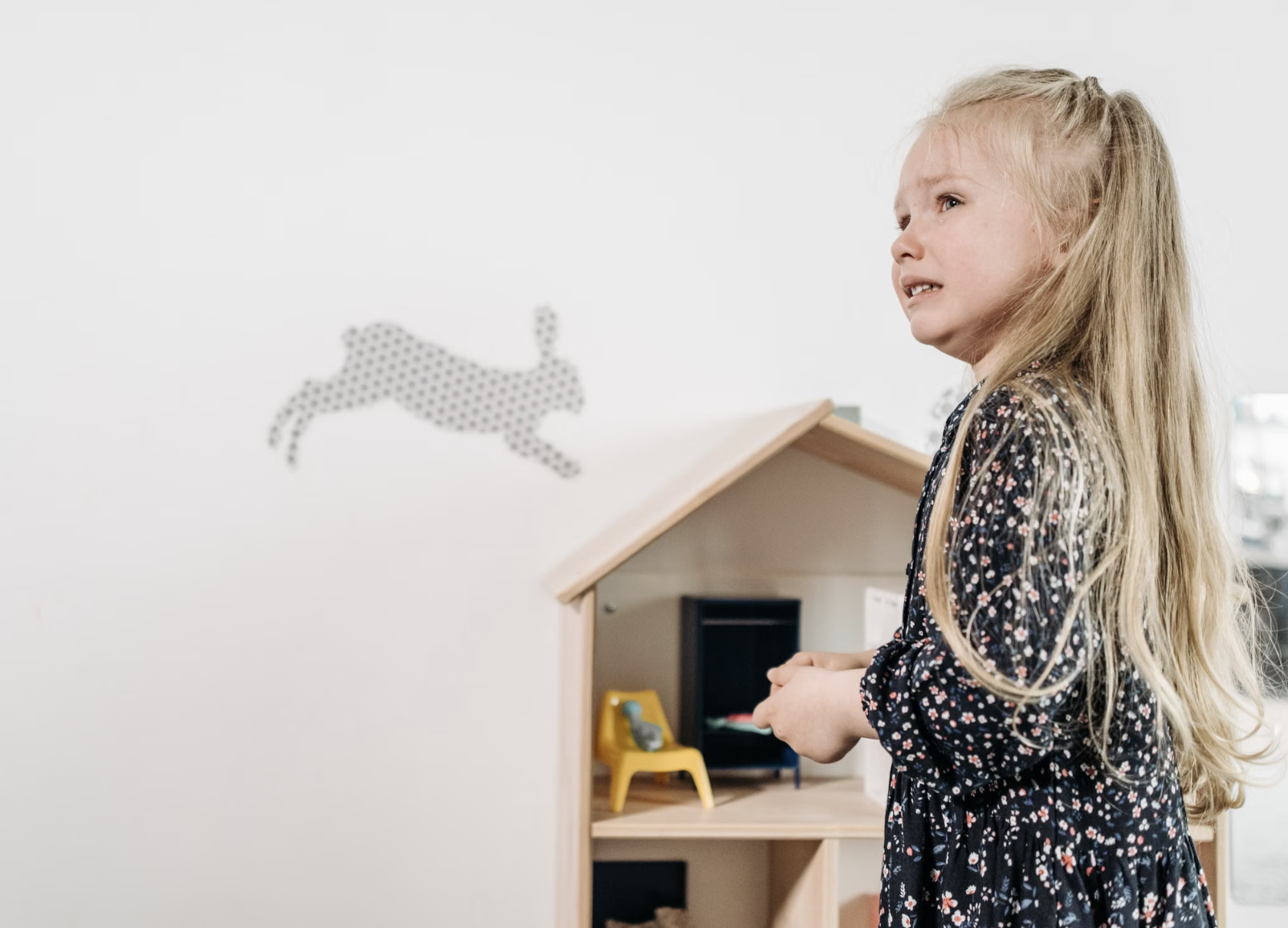
- Crying or screaming to show a need
- Using gestures without words
- Echoing sounds or phrases from shows
- Showing frustration when others misunderstand
Verbal vs. Nonverbal Communication: A Side-by-Side Look
Every child communicates differently. The comparison below shows how the same need can look in two children. It also shows how our team at EverCare ABA helps.
Hungry
Verbal child: Says “I want a snack.” Nonverbal child: Stands by the pantry and cries.
How EverCare ABA helps: Your child learns to hand over a “snack” picture card.
Needs a Break
Verbal child: Says “I’m tired. Can we stop?” Nonverbal child: Drops to the floor or pushes items away.
How EverCare ABA helps: Your child learns to tap a “break” button on a device.
Wants Help
Verbal child: Says “Help me open this.” Nonverbal child: Throws the container in frustration.
How EverCare ABA helps: Your child learns the sign for “help.”
Feels Excited
Verbal child: Says “Look at this!” Nonverbal child: Flaps hands or bounces.
How EverCare ABA helps: Your child learns to point and share attention.

Something to Screenshot for Later: Every Behavior Is a Message
Before reacting, ask yourself three quick questions:
- What does my child want right now?
- What does my child want to stop?
- What happened just before this moment?
The answers often reveal the message behind the behavior.
How ABA Therapy for Nonverbal Autism Works
ABA for nonverbal autism focuses on functional communication. This means communication your child can use right away to get needs met.
Speech is one possible outcome. It is not the only one. At EverCare ABA, we value any method that helps your child connect with others.
Communication Strategies We Use at EverCare ABA
Signs
- Simple signs like "more," "eat," and "help"
- Works anywhere without extra materials
Picture Exchange
- Your child hands over a picture to make a request
- Builds the idea that communication gets results
Speech Generating Devices (AAC)
- A tablet or device speaks a word when your child taps it
- Grows with your child as vocabulary expands
Vocal Approximations
- Your child practices sounds that move closer to words
- "Ba" for ball earns praise and the ball itself
A Tip to Remember
Using a picture or device does not stop speech from developing. Research suggests these tools can support spoken language for many children.
Inside an ABA Therapy Session for Autism: Nonverbal Communication Goals
Parents often wonder what happens during sessions with us. Here is how our therapists guide a typical session.
1. Warm Up and Connection
Your child's therapist starts with a favorite activity. Trust comes first.
2. Creating Communication Opportunities
The therapist places a preferred toy just out of reach. Your child now has a reason to ask.
3. Prompting the Request
A gentle cue shows your child how to sign or tap for the toy.
4. Reinforcing Success
Your child gets the toy right away. That quick reward teaches a powerful lesson. Communication works.
5. Fading Support
Over time, prompts decrease. Your child begins requesting on their own.
6. Tracking Progress
Our team records every attempt. These notes guide the next steps.
At EverCare ABA, your child works with the same therapist every session. Familiar faces make it easier to try something new. You can learn more about our team and values anytime.

Early Wins Parents Often Notice
Progress looks different for every child. In our experience, families commonly see:
✓ Fewer meltdowns linked to frustration
✓ More eye contact during requests
✓ First signs or picture requests
✓ Interest in sharing toys or activities
✓ Longer periods of calm engagement
These steps may seem small. Each one opens a new door for connection.
How EverCare ABA Supports Nonverbal Children
Every nonverbal child needs a different starting point. Our team builds each plan around how your child communicates today.
What our support includes:
- A Communication Assessment: We observe how your child currently expresses needs.
- The Right Method for Your Child: Our therapists choose signs, pictures, or a device based on your child's skills.
- One Consistent Therapist: Your child builds trust with the same person every session.
- Parent Coaching: Through our parent guidance program, you learn the strategies we use in sessions.
- Clear Progress Updates: We share data with you and adjust goals as your child grows.
Example: A child who screams for juice may start by handing our therapist a juice picture. Within weeks, that same child may tap "juice" on a device at home. Small changes like this ease daily stress for the whole family.
Choosing the Right Service With Us
The link between ABA therapy and nonverbal children's progress depends on the right fit. EverCare ABA offers several options.
- Focused therapy targets specific communication goals.
- Comprehensive therapy covers communication alongside social and daily living skills.
- Virtual ABA services offer caregiver coaching from your own home.
- Feeding therapy supports children who also struggle with oral motor skills.
Families in central Ohio can explore our ABA therapy services in Columbus, OH. We also guide you through your insurance coverage so paperwork never slows you down.
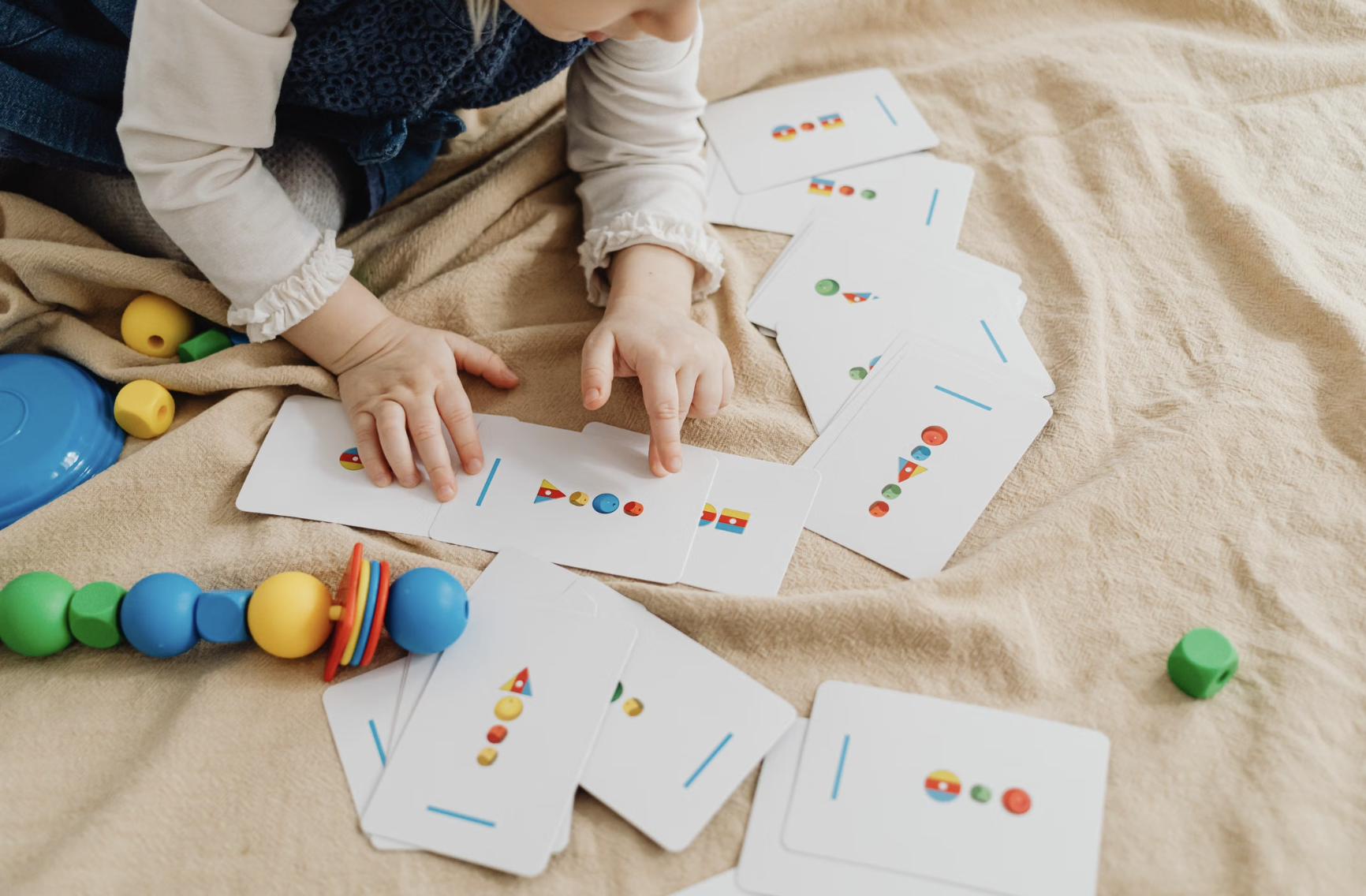
Supporting Communication at Home
Therapy works best when practice continues between sessions. Our team shows you how to keep that practice going.
Save for Later: Home Communication Checklist
☐ Keep picture cards or devices within easy reach
☐ Pause before giving your child something they want
☐ Model signs or taps as you speak
☐ Celebrate every attempt to communicate
☐ Use short, simple phrases
☐ Narrate daily routines out loud
☐ Offer two choices instead of open questions
Example: Instead of asking "What do you want to drink?", hold up milk and juice. Wait for your child to point, sign, or tap.
Frequently Asked Questions
1. Can ABA therapy help a nonverbal child learn to talk?
ABA therapy for a nonverbal child can support speech development. Some children begin speaking. Others communicate best through signs or devices. At EverCare ABA, every method counts.
2. At what age should ABA therapy for nonverbal children start?
Earlier support often leads to stronger outcomes. Children of many ages still benefit from ABA therapy for nonverbal learners.
3. Will an AAC device replace speech?
No. Studies suggest AAC often supports spoken language instead of replacing it.
4. How long does it take to see progress?
Every child moves at a different pace. Many families notice early changes within the first few months.
5. How does EverCare ABA involve parents?
Our team treats parents as partners. You learn the same communication strategies your child practices with us. This helps skills carry over into everyday routines.
6. Does insurance cover ABA for nonverbal autism?
Many plans cover ABA therapy. Our team helps you check your benefits before services begin.
Every Child Has Something to Say
Think about how your child reaches you today. Maybe it is a look. A gesture. A sound only you understand.
That connection is a strong starting point. Our team wants to learn your child's unique way of communicating. From there, we can help more people understand them too.
Let's talk about your child's voice, in whatever form it takes. A free consultation is a gentle first step.
Reach out to us for a free consultation:
Phone: (380)710-2630
Email: support@evercareaba.com
Or fill out our contact form on our website, and we'll call you back.


Ready To Begin
Get the Support Your Child Truly Deserves
Start your journey with EverCare ABA today. Our team will answer questions, verify insurance, and guide you through every step—so your child can begin thriving with the care they need.