Our Blog

Behavioral Techniques to Handle Tantrums and Aggression
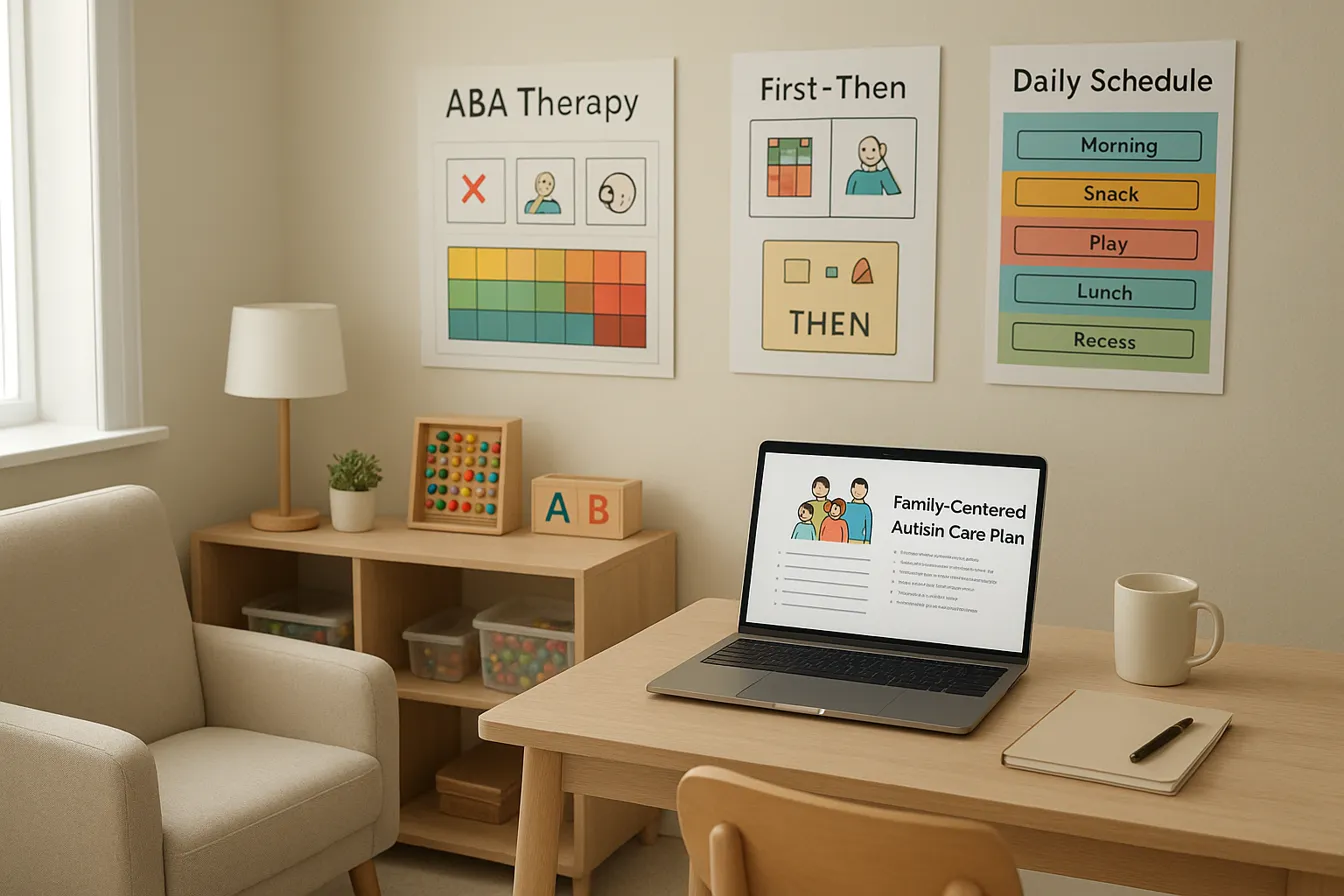
Understanding Tantrums and Aggression in Children with Autism
Nature and Triggers of Tantrums and Aggression
Tantrums and aggressive behaviors in children with autism often arise due to difficulties in communication, sensory sensitivities, and challenges coping with changes or frustration. Common triggers include sensory overload, transitions, fatigue, hunger, and removal of preferred activities. Aggressive behaviors can manifest as slapping, biting, or self-harm and often serve as a means of communication when verbal skills are limited.
Differences Between Tantrums and Meltdowns
It is essential to distinguish tantrums from meltdowns. Tantrums are typically goal-oriented, brief, and deliberate behaviors to seek attention or avoid tasks. In contrast, meltdowns are involuntary responses caused by nervous system overload and sensory processing difficulties, often lasting longer and requiring supportive calming strategies rather than reasoning or discipline.
Developmental Aspects of Behavioral Challenges in Young Children
Tantrums peak between ages 1 to 4 as young children learn to express emotions with limited verbal skills. These behaviors generally decrease as language and social skills improve. Aggressive behaviors can be normal developmental phases but require consistent boundaries, teaching self-control, and clear communication. Early intervention and supportive, predictable routines help children develop healthier ways to express frustration and manage emotions effectively.
Applied Behavior Analysis (ABA) Therapy: A Cornerstone for Behavioral Management
What is Applied Behavior Analysis (ABA) therapy and how does it benefit children with autism?
Applied Behavior Analysis (ABA) therapy is a science-backed method focused on understanding and modifying behaviors in children with autism to enhance their communication, social skills, and daily living abilities. Applied Behavior Analysis for autism uses principles like positive reinforcement to encourage helpful behaviors while systematically reducing challenging actions such as tantrums.
Scientific basis and evidence supporting ABA
ABA is supported by over 20 rigorous research studies demonstrating its effectiveness in improving language, cognitive functioning, and social interaction for children with autism. Clinical trials show that with 20-40 hours of therapy per week, especially when started before the age of four, children experience meaningful progress toward independence and emotional regulation. See more on ABA therapy effectiveness and Individualized ABA therapy programs.
Key ABA techniques: Functional Behavior Assessment (FBA) and Functional Communication Training (FCT)
ABA therapists conduct Functional Behavior Assessments (FBA) to identify why a child exhibits tantrums or disruptive behaviors by analyzing environmental triggers and behavioral consequences. Based on this, Functional Communication Training (FCT) is introduced to teach alternative communication methods—such as sign language, picture exchange systems, or verbal requests—enabling children to express their needs effectively and reduce frustration-driven outbursts.
Role of reinforcement and individualized intervention plans
Positive reinforcement remains central to ABA, where praising or rewarding desired behaviors encourages their repetition. Intervention plans are highly individualized, crafted from assessments to fit each child's unique profile. These plans include strategies like antecedent modifications (visual schedules, choice offerings), skill-building through discrete trial teaching, and caregiver training to ensure consistent support across home and other settings. For more details on ABA interventions for tantrums and caregiver training for behavior management.
Through these personalized, evidence-based approaches, ABA therapy empowers children with autism to manage behaviors, improve communication, and develop practical skills, promoting a more positive and manageable daily life for both the child and their family.
Personalized and Family-Centered Care in ABA Therapy
Why is family involvement important in ABA therapy for children with autism?
Family involvement is essential in ABA therapy because it creates consistency and reinforcement of skills across environments such as home, school, and community. When parents and caregivers actively participate by observing therapy sessions, practicing strategies, and reinforcing behaviors, children are more likely to generalize and retain learned skills. Education and training empower families to implement ABA methods confidently, accelerating the child's progress. Regular communication between therapists and families allows treatment to be tailored according to the child's unique needs, ensuring that care remains effective and relevant. For more on the importance of family involvement in ABA and strategies to support children, see Applied Behavior Analysis for autism, Parental involvement in ABA therapy, and Caregiver training for behavior management.
How does EverCare ABA personalize treatment plans for children with autism?
EverCare ABA begins by conducting thorough assessments, gathering observations and input from parents along with standardized evaluations. This helps identify the child's strengths, challenges, and interests. A Board-Certified Behavior Analyst (BCBA) designs individualized goals and selects evidence-based techniques like reinforcement, prompting, and teaching within natural environments. Therapy progress is continuously monitored with detailed data collection, so strategies can be adjusted as needed. Importantly, caregivers are trained to maintain consistency across home and community settings, thus helping maximize the child’s development in communication, social skills, and daily activities. For more information on individualized ABA therapy programs, see Individualized ABA therapy programs and Functional analysis in ABA therapy.
How does EverCare ABA support communication, behavior, social skills, and daily living development in children with autism?
EverCare ABA employs personalized interventions grounded in positive reinforcement. For communication, they use speech prompts, visual supports like Picture Exchange Communication System (PECS), and assistive devices to encourage expressive language. Social skills are nurtured through structured play, role modeling, and teaching turn-taking or sharing. Family participation reinforces these skills during daily routines, supporting natural communication and adaptive behaviors. This comprehensive, individualized approach targets the child’s unique needs, helping them thrive socially, behaviorally, and in everyday living. Relevant resources include Teaching replacement behaviors, Modeling calm behavior, and Teaching clear communication.
Identifying and Managing Triggers of Tantrums and Aggression
What Are Common Triggers of Tantrums and Aggression?
Triggers for tantrums in children with autism] and aggressive behaviors in children, especially those with autism, often arise from identifiable triggers. Key triggers include sensory overload and tantrums in autism, transitions between activities, difficulties in communication, and underlying medical issues such as pain or discomfort.
- Sensory Overload: Many children with autism have sensitivities to sights, sounds, or textures that can overwhelm their nervous system, leading to Meltdowns vs Tantrums in Autism.
- Transitions: Moving from one activity to another without adequate preparation can provoke anxiety and behavioral outbursts.
- Communication Struggles: Limited ability to express needs or frustrations verbally often results in tantrums as a form of communication.
- Medical Factors: Pain, fatigue, hunger, or illness can exacerbate emotional dysregulation.
How Are Functional Behavior Assessments (FBA) Used?
Functional Behavior Assessments (FBA) for tantrum triggers are a cornerstone in understanding why tantrums or aggressive incidents occur. This approach involves observing antecedents (what happens before), the behavior itself, and consequences (what happens after) to determine the purpose or function of the behavior, such as seeking attention, avoiding tasks, or sensory needs.
Why Modify the Environment and Expectations?
Modifying environment to prevent tantrums and setting realistic expectations that align with their developmental abilities can prevent many outbursts. For example, reducing sensory stimuli, providing quiet spaces, or simplifying tasks helps minimize frustration and behavioral triggers.
What Preventative Strategies Can Help?
Several effective strategies can prevent tantrums before they start:
- Visual Schedules and Warnings: Using pictures or timers to prepare children for transitions reduces anxiety.
- Offering Choices: Allowing children to make simple decisions gives them a sense of control, decreasing power struggles.
- Calming Routines: Teaching and encouraging Teaching self-soothing techniques such as deep breathing or using a designated 'calm down' area supports emotional regulation.
ABA therapy incorporates these tactics into individualized plans, helping children develop communication and coping skills. Involving families and providing consistent routines further supports long-term behavior improvement and emotional well-being.
Behavioral Techniques to Reduce Tantrums and Aggressive Incidents

Positive Reinforcement and Praise for Appropriate Behavior
Rewarding children for demonstrating positive behaviors is a cornerstone of ABA techniques for tantrums. Praising a child when they use words to express their needs or when they respond calmly to a situation reinforces those behaviors, making them more likely to recur. For children with autism, consistent positive reinforcement for compliance encourages the development of communication and social skills while reducing tantrums.
Ignoring Non-Dangerous Tantrums to Reduce Reinforcement
Not all tantrums require immediate attention. When tantrums are safe but attention-seeking, caregivers are advised to calmly ignore the behavior. This approach reduces reducing reinforcement of tantrums and negative behaviors that children may use to gain attention. Over time, ignoring these outbursts helps decrease their frequency.
Teaching Self-Soothing and Emotional Regulation Skills
Children benefit greatly from learning tools to manage their emotions independently. Techniques such as using slow breathing and mindfulness, counting, and mindfulness exercises offer practical ways for children to calm themselves during stressful moments. ABA therapy emphasizes teaching these teaching self-soothing techniques and self-regulation skills to empower children in managing frustration and anxiety effectively.
Using Clear, Observable Expectations and Avoiding Reasoning During Tantrums
Setting clear and simple expectations helps children understand what is expected, reducing confusion and frustration. During active tantrums, avoid reasoning during tantrums or lengthy explanations as they are ineffective and may escalate the situation. Instead, caregivers should wait for calm moments to teach teaching negotiation skills and problem-solving skills, promoting better emotional management in the future.
Safe and Calm Responses by Caregivers During Outbursts
Caregivers play a pivotal role in modeling calm behavior during tantrums and aggressive episodes. Maintaining a composed demeanor and ensuring a safe environment help de-escalate challenging behaviors. Removing the child from overwhelming environments and using a quiet space can support emotional regulation without escalating tensions.
What practical advice does EverCare ABA offer to parents to help them manage and support their child's autism care?
EverCare ABA offers practical guidance emphasizing the importance of reinforcing positive skills at home and managing challenging behaviors like tantrums and aggression with structured strategies. They promote creating consistent, supportive family routines that foster emotional well-being and skill development. Parents are encouraged to advocate for services, build strong support networks, and prioritize self-care to handle the demands of autism care effectively. Through personalized, family-centered approaches and ongoing support, EverCare ABA empowers parents to actively participate in their child's growth and long-term success.
Distinguishing Tantrums from Meltdowns: Tailoring Responses

What Are the Differences Between Voluntary Tantrums and Involuntary Meltdowns?
Tantrums are goal-oriented behaviors typically displayed by children to express frustration or to obtain something they want. They are deliberate and stop once the child's needs are met. Conversely, meltdowns are involuntary responses often triggered by nervous system overload, especially sensory overload. Meltdowns are more intense, prolonged, and not under the child's control, making them distinctly different from tantrums.
How Does Sensory Overload Trigger Meltdowns?
Sensory processing difficulties in autism are a common trigger for meltdowns in children with autism. When sensory input becomes overwhelming—such as loud noises, bright lights, or crowded environments—the brain perceives these as threats, leading to a meltdown. Unlike tantrums, meltdowns occur due to this neurological response, not a deliberate attempt to communicate or control a situation.
What Calming Techniques Work for Meltdowns Versus Tantrums?
Calming meltdowns requires strategies focused on self-regulation and emotional support rather than discipline. Techniques include body-based regulation like stimming or deep breathing, providing a safe and quiet space, and offering reassurance to help the child feel secure. For tantrums, maintaining calm, using clear expectations, ignoring attention-seeking behavior, and reinforcing positive compliance are effective. See Calming Strategies for Autism and tantrums, ABA techniques for tantrums, and Using slow breathing and mindfulness.
What Roles Do Emotional Support, Environment Adjustments, and Self-Regulation Strategies Play?
Providing emotional support during both meltdowns and tantrums helps children manage stress and feel understood. Adjusting environments to reduce triggers—such as using visual schedules, minimizing distractions, and offering transition warnings—prevents many episodes. Teaching children self-regulation tools like counting, slow breathing, and using calming sensory items empowers them to manage overwhelming emotions proactively, fostering greater emotional control and reducing behavioral challenges. Related topics include Modeling calm behavior, Modifying environment to prevent tantrums, Visual schedules and countdowns, and Teaching self-soothing techniques.
Formats of Therapy Delivery and Insurance Support at EverCare ABA

What are the different formats in which EverCare ABA delivers therapy services?
EverCare ABA offers flexible therapy delivery to suit each child's unique needs and family situations. Services are available in three main formats:
In-home therapy: This approach supports the child within their familiar environment, making it easier to generalize new skills across daily routines. It also encourages active family participation, enhancing consistency and reinforcing learning (Overview of ABA therapy, In-home ABA therapy benefits).
Virtual therapy: Leveraging technology, virtual sessions provide convenient access to ABA specialists regardless of location. This option increases therapy accessibility and allows for continued consistent care when in-person visits aren’t possible (ABA interventions for tantrums, Parent training in ABA.
Center-based therapy: This setting provides a structured environment equipped with specialized resources. It also creates opportunities for social interaction with peers, which can be beneficial for developing social and communication skills (Applied Behavior Analysis for autism, Improving social skills with ABA).
By offering these varied formats, EverCare ABA ensures that children receive personalized and evidence-based care in the most supportive setting possible.
What insurance support options does EverCare ABA offer to families seeking autism therapy?
Navigating insurance for autism therapy can be complex. EverCare ABA offers dedicated assistance to families, including:
- Explaining insurance benefits and coverage specifics related to ABA therapy (Insurance support for autism therapy, Role of insurance in ABA).
- Helping with paperwork and securing prior authorizations, which are often required before treatment begins (Functional Behavior Assessments (FBA) for tantrum triggers, Behavior intervention plans (BIPs)).
- Supporting families in appealing denied claims to secure necessary therapy access (Caregiver training for behavior management, Parent strategies for tantrum management.
Because insurance policies vary by state and provider, EverCare ABA stays up to date on relevant regulations and insurance practices. They work directly with insurers to simplify approval processes and aim to reduce out-of-pocket expenses for families (Understanding insurance processes.
Additionally, EverCare ABA provides educational materials to empower parents, helping them understand their benefits and make informed choices in their child’s care journey (Parent training programs for behavior management, Family support groups for autism.
The Importance of Individualized, Family-Centered Care Throughout Development

Why is individualized, family-centered care important throughout a child's autism development journey?
Individualized, family-centered care is vital in the autism development journey because it ensures that therapeutic interventions are specifically tailored to the child's unique strengths, challenges, and family dynamics. This personalized approach respects family values and routines, which increases the effectiveness and relevance of treatments Individualized Family-Centered Plans.
Empowering families through education and active participation allows caregivers to become confident collaborators in therapy. They learn practical strategies to support their child's communication, emotional regulation, and social skills daily, not just during formal sessions. This active involvement promotes consistency and skill reinforcement across home, school, and community environments Family Check-Up program, Parent training programs.
Reinforcing skills across multiple settings and life stages helps children generalize what they learn and adapt successfully to new situations as they grow. Such continuity supports transitions from early intervention through adolescence and beyond Maintaining consistent routines in ABA, Supporting children during less preferred activities.
Additionally, family-centered care reduces parental stress by providing support networks and resources. When families feel supported and understood, they can foster a more positive home environment, which contributes to sustained progress for the child Creating a Stable and Loving Home Environment.
In summary, individualized, family-centered care creates a collaborative, supportive framework that enhances developmental outcomes and well-being for both children with autism and their families throughout all stages of growth and learning Individualized ABA therapy programs, Compassionate Autism Care.
Summary and Encouragement for Families Navigating Behavioral Challenges
Key Takeaways on Managing Tantrums and Aggression
Managing tantrums and aggressive behaviors in children, particularly those with autism, involves understanding triggers like sensory overload, communication challenges, and changes in routine. Strategies such as consistent routines, positive reinforcement, visual schedules, and teaching alternative communication methods can significantly reduce outbursts. Calming techniques like deep breathing and self-soothing skills also empower children to manage strong emotions effectively.
Encouragement for Family Involvement and Professional Support
Families play an essential role in this journey. Active participation in therapy, using consistent strategies at home, and maintaining a calm and supportive environment provide a foundation for success. Seeking guidance from professionals can tailor interventions to fit each child’s unique needs, making a significant difference in outcomes.
Benefits of Evidence-Based Behavioral Approaches like ABA
Applied Behavior Analysis (ABA) therapy stands out as a proven method to address challenging behaviors. By identifying behavior functions and teaching replacement skills, ABA helps children communicate needs and regulate emotions. When delivered early and consistently, ABA supports improvements in communication, social skills, and adaptive behaviors, boosting both child and family quality of life.


Ready To Begin
Get the Support Your Child Truly Deserves
Start your journey with EverCare ABA today. Our team will answer questions, verify insurance, and guide you through every step—so your child can begin thriving with the care they need.