Our Blog

Creating Individualized Behavior Plans for Challenging Behaviors
Understanding the Importance of Individualized Behavior Plans
What Are Individualized Behavior Plans?
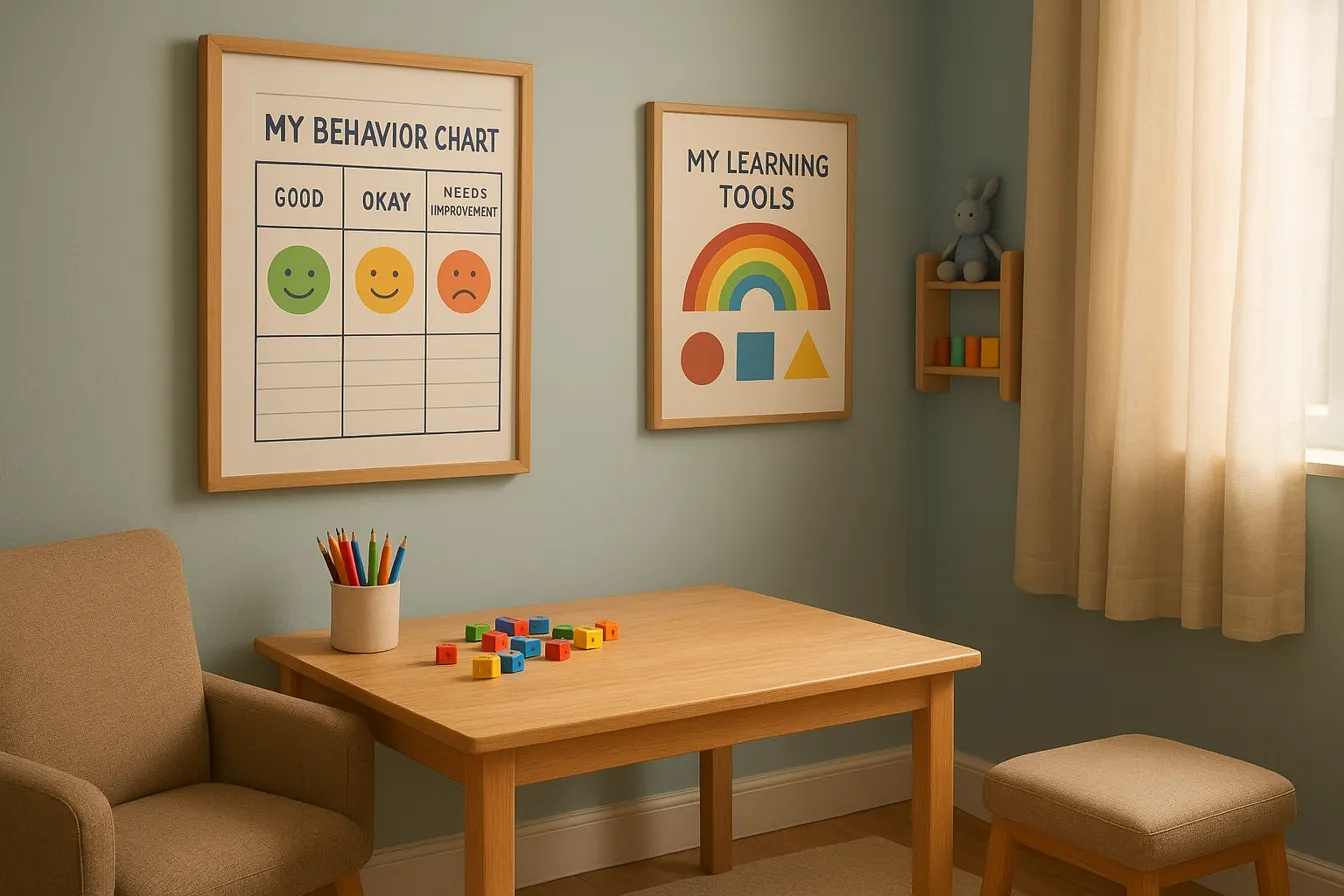
Individualized behavior plans (IBPs) are carefully designed frameworks created to address the unique behavioral needs of each child, particularly those with autism. These plans are formal programs that focus on reducing challenging behaviors and encouraging positive, adaptive alternatives. Developed by teams of educators, behavior specialists, and family members, IBPs build on detailed assessments to guide consistent intervention.
The Need for Personalization in Behavior Plans
Children with autism often exhibit a variety of challenging behaviors like aggression, self-injury, or meltdowns. Because the causes and manifestations of these behaviors differ widely—ranging from communication difficulties to sensory overload—it’s essential that behavior plans are tailored to each child’s specific triggers and functions of behavior. Personalizing the approach ensures that interventions are effective, respectful, and supportive of the child's overall well-being.
Common Behavior Challenges in Children with Autism
Challenging behaviors may include, but are not limited to, repetitive actions, noncompliance, tantrums, and property destruction. Many of these serve as forms of communication or responses to anxiety and unfamiliar environments. Understanding these behaviors through Functional Behavioral Assessments helps identify their purpose—whether for seeking attention, escaping demands, or fulfilling sensory needs—and informs the creation of targeted strategies within behavior plans.
This individualized, evidence-based approach allows for meaningful progress and improved quality of life for children while supporting families and educators in providing consistent care and effective interventions.
Applied Behavior Analysis (ABA): The Foundation of Effective Behavior Plans

What is Applied Behavior Analysis (ABA) therapy?
Applied Behavior Analysis (ABA) therapy is a science-based approach designed to understand and improve behaviors. It applies learning principles to help children with autism acquire essential skills while reducing behaviors that interfere with daily life. ABA focuses on individualized ABA programs tailored to each child's unique needs, strengths, and family goals.
How does ABA help in understanding and modifying behavior?
ABA uses detailed assessments, including A-B-C analysis (Antecedent-Behavior-Consequence) to identify what triggers behaviors and their outcomes. This understanding guides therapists in developing strategies to encourage positive behaviors and replace challenging ones. Ongoing data collection ensures interventions remain effective and are adjusted as needed as part of Behavior Intervention Plans (BIPs).
What techniques are involved in ABA therapy?
Key ABA techniques include:
- Positive reinforcement: Rewarding desirable behaviors to increase their frequency.
- Prompting and fading: Guiding the child to perform desired behaviors and gradually reducing assistance.
- Data-driven adjustments: Continuously monitoring progress through collected data, an essential part of developing Behavior Intervention Plans.
These strategies facilitate skill-building across areas like communication, social interaction, and daily living.
Where is ABA therapy provided?
ABA therapy can be delivered in multiple settings including the child's home, educational environments, and specialized therapy centers. This flexibility supports the generalization of skills across different contexts and encourages family collaboration.
What is the ultimate goal of ABA?
ABA aims to improve quality of life by increasing independence and functional skills for children with autism. By promoting positive behaviors and reducing challenges, ABA helps children better engage with their families, schools, and communities, supporting their overall development and well-being through behavioral strategies for autism.
The Crucial Role of Functional Behavior Assessments (FBA) in Behavioral Planning

What is the Purpose and Process of Functional Behavior Assessments?
Functional Behavior Assessments (FBA) are essential tools used to understand the underlying causes of challenging behaviors in children, particularly those with autism. The process involves systematically observing behavior, collecting detailed data, and interviewing caregivers and educators to identify why a behavior occurs. This thorough assessment helps to reveal the function or purpose the behavior serves for the child, providing critical insight necessary for creating effective interventions.
How Are Behavior Functions Identified?
FBAs focus on identifying common behavior functions such as:
- Escape: The behavior allows the child to avoid an undesired activity or situation.
- Attention: The behavior seeks interaction or reaction from others.
- Tangible Rewards: The behavior helps the child gain access to preferred items or activities.
- Automatic Reinforcement: The behavior itself produces a sensory or internal benefit.
Identifying these functions is vital because interventions are tailored to address the specific motivations behind the behaviors.
What Role Does A-B-C Analysis Play in FBA?
Antecedent-Behavior-Consequence (A-B-C) analysis is a foundational component of FBAs. This method breaks down each incident into:
- Antecedents (what happened before the behavior),
- Behavior (the actual challenging action), and
- Consequences (what followed the behavior).
This breakdown assists in pinpointing triggers and outcomes that may reinforce the behavior, guiding tailored behavior plans.
Why Is Systematic Observation and Data Collection Important?
Effective FBAs rely on continuous, systematic data collection to capture patterns in behaviors, their antecedents, and consequences. Data gathering methods include direct observation, standardized checklists, and interviews. Accurate data ensures that the functional hypotheses about the behavior are evidence-based, increasing the likelihood of successful intervention.
How Does FBA Inform the Development of Behavior Intervention Plans?
Information obtained from FBAs directly informs the creation of individualized Behavior Intervention Plans (BIPs). Since BIPs are designed to reduce challenging behaviors and promote positive alternatives, understanding the behavior's function allows the team to develop strategies such as modifying antecedents, teaching replacement skills, and adjusting consequences. This personalized approach, grounded in behavioral theory and supported by data, maximizes the effectiveness of interventions across home, school, and therapy settings.
Designing and Implementing Individualized Behavior Intervention Plans (BIPs)
Steps in creating BIPs based on FBA data
A Behavior Intervention Plan (BIP) begins with a Functional Behavior Assessment (FBA), a methodical process that identifies the causes and functions of challenging behaviors through observations, interviews, and data collection. The BIP development team, including parents, educators, and behavior specialists, uses FBA results to form hypotheses regarding the antecedents and consequences that maintain the behavior.
Key components of a Behavior Intervention Plan
A comprehensive Behavior Intervention Plan (BIP) includes clearly defined target behaviors, identification of the behavior's function, detailed antecedent and consequence intervention strategies, skill acquisition goals, and systematic data collection methods. These elements serve as the foundation to ensure that interventions are precise and measurable.
Use of evidence-based strategies like Differential Reinforcement of Alternative behaviors (DRA)
One of the primary Evidence-Based Behavioral Interventions integrated into BIPs is Differential Reinforcement of Alternative Behaviors (DRA), which reinforces positive behaviors that serve as functional alternatives to the problematic behavior. This reinforces desired actions while reducing the existence of challenging behaviors.
Setting measurable goals and identifying replacement behaviors
Measurable goals focus on observable behaviors and clearly defined progress indicators, allowing the team to track improvement objectively. Replacement behaviors are chosen to fulfill the same functions as the challenging behaviors, offering adaptive ways for the child to communicate or meet their needs.
Importance of consistency across home, school, and therapy settings
Consistency is vital for the success of a Behavior Intervention Plan (BIP). Collaboration among caregivers and professionals across environments ensures that strategies and expectations are uniform. Such alignment supports skill generalization and more rapid behavioral improvements.
Role of technology in monitoring and adjustment
Modern behavior plans frequently incorporate digital tools such as Classroom management apps and electronic reporting systems. These technologies facilitate ongoing behavior monitoring, timely progress review, and prompt adjustment of interventions as necessary.
Collaboration among team members including parents, educators, behavior specialists
Developing and implementing a Behavior Intervention Plan (BIP) is a collaborative effort that thrives on the active participation of all stakeholders. Continuous communication among the team ensures that each member provides consistent support, contributing their expertise to optimize the child's behavioral development and quality of life.
EverCare ABA’s Personalized Approach to Tailoring Therapy Plans
How does EverCare ABA tailor therapy plans for each child?
At EverCare ABA, therapy plans are meticulously customized to meet the unique needs of each child. The process begins with comprehensive assessments carried out by Board Certified Behavior Analysts (BCBAs). These assessments involve direct observation of the child, interviews with family members and caregivers, and the use of standardized tools to evaluate the child's strengths, challenges, and the functions of their behavior. This detailed understanding forms the basis for crafting individualized intervention strategies aligned with the child's developmental needs.
The treatment approach incorporates a range of evidence-based Applied Behavior Analysis (ABA) techniques. Discrete Trial Training (DTT) focuses on structured teaching of specific skills, while Natural Environment Teaching (NET) encourages learning in real-life contexts. Functional Communication Training (FCT) targets improving communication abilities to replace challenging behaviors. These methods are thoughtfully adapted to resonate with the child's interests, preferred learning styles, and sensory needs, promoting engagement and effectiveness.
Regular data collection is a cornerstone of EverCare ABA’s methodology. Therapists systematically track progress and behavioral changes, allowing for timely reviews and necessary adjustments to the therapy plan. This dynamic approach ensures that interventions remain responsive to the child's evolving development. This aligns with data collection and progress monitoring best practices and data monitoring in Behavior Intervention Plans (BIPs).
Crucially, EverCare ABA fosters strong family involvement. Caregivers are trained and supported to reinforce learned skills and strategies at home and in everyday settings, promoting generalization of progress beyond therapy sessions. This partnership between therapists and families empowers consistent behavioral support, supporting long-term success and reflecting caregiver involvement in Behavior Intervention Plans.
Through this personalized, collaborative, and evidence-driven process, EverCare ABA aims to create meaningful and lasting improvements in the lives of children with autism by applying individual behavior plans and Behavior Intervention Plan (BIP) strategies.
The Impact of Family Involvement in Behavior Plans and ABA Therapy

What Are the Benefits of Family Involvement in ABA Therapy?
Family involvement is crucial to the effectiveness of Applied Behavior Analysis (ABA) therapy for children with autism. When families actively participate, they help reinforce skills learned during therapy sessions and ensure that children apply these skills consistently across home and community settings.
How Does Caregiver Training Support Consistency and Accelerate Learning?
Training caregivers equips them with practical strategies such as using effective prompts, behavior-specific praise, and reinforcement techniques. This consistent approach between therapists and family members helps children acquire new skills faster and reduces challenging behaviors by providing a stable learning environment.
Why Is Collaboration Between Therapists and Families Important?
Open communication between therapists and families allows for regular feedback and shared goal setting. This teamwork tailors interventions to each child's unique needs and integrates therapy seamlessly into daily routines, enhancing generalization of skills. Collaboration is a critical part of Creating personalized behavior plans and developing Behavior Intervention Plans (BIPs).
What Is the Role of Family-Centered Approaches and Coaching?
Family-centered approaches involve real-time coaching and support tailored to caregivers' schedules and preferences. These methods empower families, boost their confidence in managing behaviors, and foster active engagement, which is linked to better outcomes for the child, as highlighted in Positive Behavior Support Planning.
How Does Family Involvement Create a Supportive Environment for Lasting Progress?
When families are involved, they create a home environment that reinforces positive behaviors and skill practice, supporting sustainable development. This involvement ensures that therapy gains are maintained and built upon, leading to meaningful, long-term improvements in the child's quality of life, consistent with principles of Positive Behavioral Interventions and Supports (PBIS).
Flexible Therapy Formats to Support Diverse Family Needs

What therapy formats does EverCare ABA offer?
EverCare ABA provides a variety of flexible therapy formats designed to accommodate the unique needs of children with autism and their families. One option is in-home therapy, which takes place in the child's natural environment. This setting supports learning in familiar surroundings, helping children generalize new skills effectively. In-home sessions also encourage active family participation, fostering collaboration and consistency.
For families seeking a more structured environment, EverCare ABA offers center-based services. These programs occur in specialized facilities equipped with therapeutic resources, providing a focused setting that supports intensive learning and social engagement.
In addition to in-person options, EverCare ABA includes virtual therapy sessions. Through secure telehealth platforms, professionals guide caregivers in delivering interventions remotely, ensuring access to quality care regardless of location. This format enhances convenience and enables ongoing support during situations where in-person visits may be challenging.
By offering these adaptable therapy delivery methods, EverCare ABA empowers families to select the approach that aligns best with their schedules, preferences, and their child's needs. This flexibility promotes maximum engagement and meaningful progress in communication, social skills, and daily living abilities.
Supporting Families: Insurance Guidance and Measuring Success in ABA Therapy

How does EverCare ABA support families with insurance and guidance?
EverCare ABA provides invaluable support to families navigating the complexities of insurance coverage for autism services. They help parents understand their insurance benefits, including important terms like pre-authorization, provider networks, and coverage limits. By assisting with securing necessary documentation such as diagnostic evaluations and formal diagnoses, EverCare ensures families have the proper paperwork for insurance approval.
Their guidance extends to exploring all available funding options, including state and federal mandates and out-of-network coverage, which can help reduce out-of-pocket costs. This comprehensive support empowers families to participate actively in their child’s treatment journey, ensuring seamless access to personalized ABA therapy that meets each child’s unique needs.
What kind of success stories or outcomes can families expect from ABA therapy?
ABA therapy offers promising and measurable improvements in communication, social skills, and daily living abilities, particularly when started early and delivered intensively. Many children participating in ABA experience enhanced social engagement, language growth, and better behavior regulation, helping them to more effectively navigate social and school environments.
Personalized therapy plans combined with strong family involvement and consistent sessions—often ranging from 20 to 40 hours per week—are crucial for achieving these positive results. Families often witness a noticeable reduction in Challenging Behaviors in Students, increased independence, and greater confidence in their child.
Why is ongoing assessment and data collection important in ABA therapy?
Data collection methods in ABA are an essential part of ABA therapy, serving as a tool to track progress and inform decisions. By measuring behaviors such as frequency, duration, and intensity over time, therapists can fine-tune interventions to better suit each child's evolving needs.
Regular assessments and feedback from families allow individual behavior plans to be adjusted promptly, optimizing effectiveness and supporting sustainable growth. This collaborative approach ensures that all interventions remain relevant and personalized, reinforcing the commitment to improving quality of life.
| Aspect | Details | Impact |
|---|---|---|
| Insurance Support | Guidance on benefits, documentation, funding referrals, and reducing out-of-pocket expenses | Increased access to ABA therapy |
| Success Indicators | Improved communication & social skills, decreased Challenging Behaviors in Students, increased independence | Enhanced child development and family satisfaction |
| Data Monitoring | Continuous tracking of behavior and progress with family input | Enables flexible and responsive treatment plans |
| Family Involvement | Education, empowerment, and active participation | Consistency across home, school, and therapy |
Through EverCare ABA’s personalized support and the structured, data-driven nature of ABA therapy, families are well-equipped to navigate insurance challenges and celebrate meaningful progress for their children.
Embracing Individualized, Family-Centered Behavior Plans for Lifelong Progress
The Necessity of Personalized Plans in Managing Challenging Behaviors
Each child with autism experiences behaviors uniquely; personalized behavior plans are essential to address specific challenges effectively. These plans, developed through thorough assessments like Functional Behavioral Assessments (FBA), target behaviors based on their function and context.
Integrating Team Collaboration and Continuous Data-Driven Adjustments
Successful interventions rely on a collaborative team—including educators, behavior specialists, and families—to create, implement, and refine behavior plans. Consistent data collection guides ongoing adjustments, ensuring strategies remain effective and responsive to the child's evolving needs.
The Vital Partnership Between Families and Therapists
Families are crucial partners in behavior plan success. Their involvement ensures consistency across home and therapy settings, fosters understanding, and empowers caregivers with practical strategies to support their child's growth.
EverCare ABA’s Commitment to Compassionate, Evidence-Based Care
EverCare ABA specializes in delivering compassionate, individualized ABA therapy, emphasizing evidence-based approaches. Their dedicated team works hand-in-hand with families to tailor interventions for meaningful, lasting progress.
Encouragement for Families to Seek Tailored Behavioral Support
Families facing challenging behaviors are encouraged to pursue personalized, supportive plans crafted by trusted professionals. Such plans promote positive outcomes and enhance quality of life for children with autism and their loved ones.


Ready To Begin
Get the Support Your Child Truly Deserves
Start your journey with EverCare ABA today. Our team will answer questions, verify insurance, and guide you through every step—so your child can begin thriving with the care they need.