Our Blog

Developing Individualized Plans for Social Skills Enhancement
The Importance of Tailored Social Skills Development
Understanding the Role of Social Skills in Autism
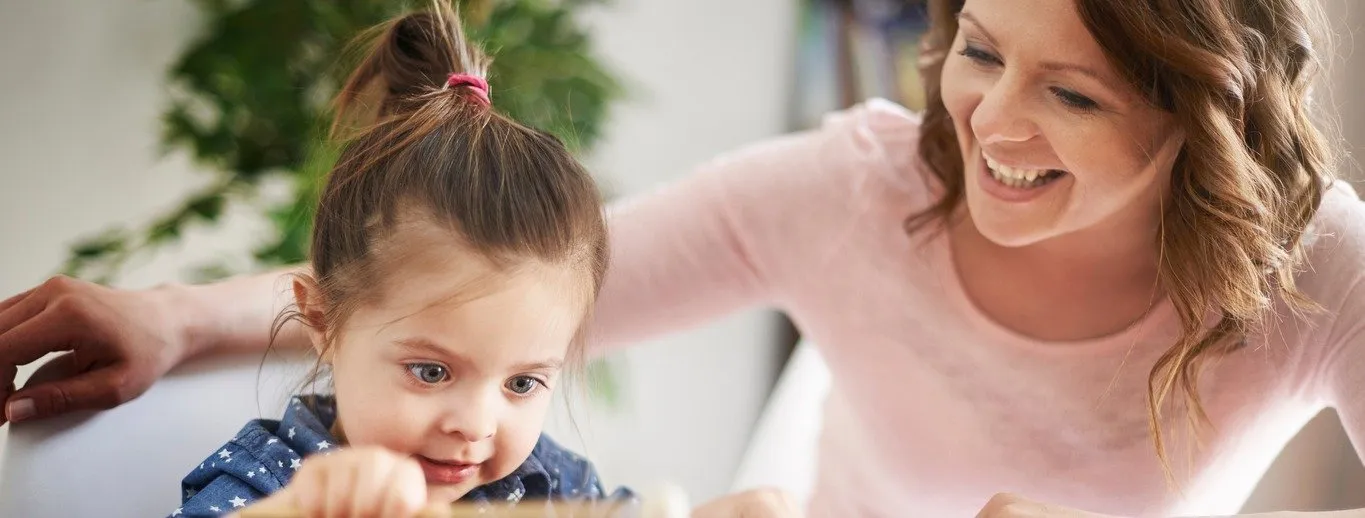
Social skills are fundamental for children with autism to navigate daily life and build meaningful relationships. These skills encompass verbal and non-verbal communication like eye contact, gestures, and appropriate body language. Children with autism often face challenges in interpreting social cues and engaging in conversations, which can impact their ability to connect with peers and participate fully in community activities.
Individualized Planning for Effective Social Development
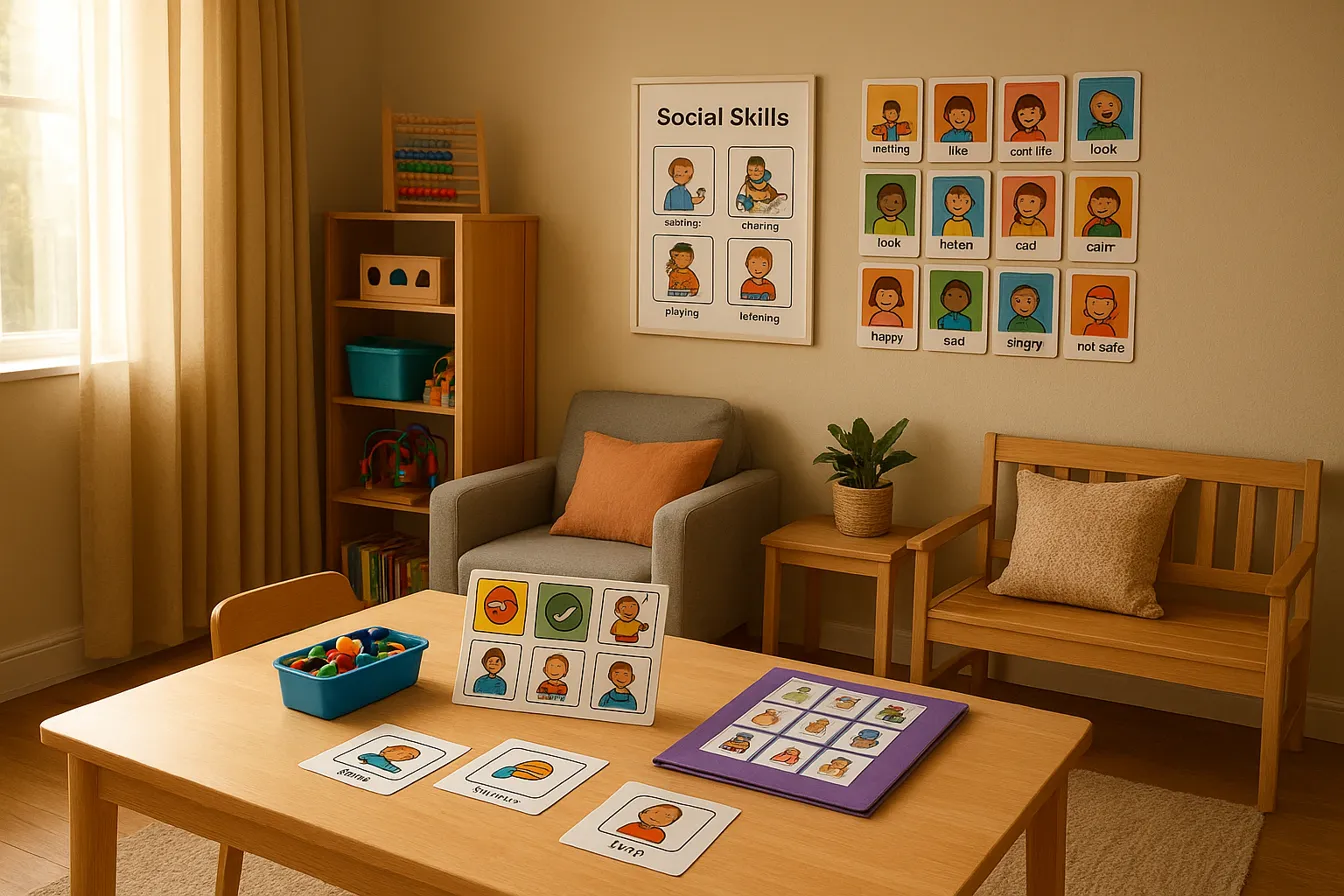
Tailoring social skills interventions to the unique needs of each child is essential for success. Applied Behavior Analysis (ABA) therapy exemplifies this approach by conducting thorough assessments to identify specific social skill gaps. Customized treatment plans might involve strategies such as modeling, role-playing, social stories, and reinforcement to encourage desired behaviors in structured and natural settings. By focusing on achievable, measurable goals, therapy can build foundational skills before progressing to more complex social interactions.
Family Involvement Enhances Learning and Generalization
Families play a vital role in supporting social skills development. ABA programs often include caregiver training to empower parents to reinforce learned behaviors beyond therapy sessions, helping children to generalize skills in everyday environments. Resources, support, and active collaboration ensure that social growth is consistent, meaningful, and sustained. Through ongoing engagement, families become advocates and partners in their child's social learning journey.
Applied Behavior Analysis: Foundations and Role in Social Skills Training
What is Applied Behavior Analysis (ABA) therapy?
Applied Behavior Analysis (ABA) therapy is a scientifically grounded approach designed to understand and modify behaviors, particularly supporting children with autism spectrum disorder (ASD). By applying principles of learning and behavior, ABA aims to increase positive skills—including communication and social skills development—while reducing behaviors that interfere with daily functioning.
Historical and scientific basis
Since its development in the 1960s, ABA has become well-established through rigorous research. It is recognized by leading authorities like the US Surgeon General and the American Psychological Association as an effective, evidence-based intervention. Intensive ABA therapy over one to three years* can lead to significant improvements in intellectual, language, social skills, and adaptive skills.
Core ABA techniques for social skills
ABA employs a variety of strategies to build social competencies. Techniques include modeling social interactions in ABA, role-playing in ABA therapy, social stories that prepare children for real-life scenarios, video modeling, prompting, and positive reinforcement to encourage desirable behaviors. Key methods such as Discrete Trial Training (DTT) and Natural Environment Teaching (NET) support generalization of skills.
How ABA creates individualized treatment plans
Each ABA program is personalized to address the unique strengths and needs of the child. Board Certified Behavior Analysts (BCBAs) conduct detailed assessments to identify areas for growth and set measurable goals. Treatment plans focus on skills like eye contact, initiating conversations, turn-taking, and empathy development. Progress is regularly monitored, with adjustments made based on data and observed changes.
Importance of family involvement
Family participation plays a vital role in the success of ABA therapy. Caregivers receive training and support to reinforce social skills beyond therapy sessions, ensuring consistent practice at home and other environments. This collaborative approach enhances skill acquisition and helps children apply learned behaviors in everyday life.
Many families find that ABA’s personalized, evidence-based techniques offer an empowering path to strengthen social communication and foster meaningful connections for children with autism.
| Aspect | Details | Significance |
|---|---|---|
| Definition | Behavior-focused therapy for autism | Foundation for skill development |
| Historical Basis | Research-backed since 1960s | Proven effectiveness |
| Core Techniques | Modeling, role-play, social stories, reinforcement | Builds social competencies systematically |
| Individualized Plans | BCBA assessments and tailored goals | Customized to child's needs |
| Family Involvement | Training caregivers for skill reinforcement | Promotes generalization and consistency |
*Intensive programs often involve 25-40 hours per week over 1 to 3 years.
Conducting Social Skills Training within ABA Therapy Programs

How is social skills training conducted within ABA therapy?
Social skills training within ABA therapy is designed to help children with autism and other developmental challenges develop essential interpersonal skills through structured and individualized approaches. This training typically takes place in both group and individual settings, offering varied opportunities for children to practice social behaviors.
In group settings, children engage in collaborative activities such as team games, role-playing scenarios for social skills, and creative projects. These social interactions provide a natural context for practicing cooperation, turn-taking and eye contact, and communication. Individualized instruction allows therapists to tailor goals and techniques to each child's current skill level and unique needs.
Key methods employed by therapists include role-playing in ABA therapy, where children simulate real-life social situations in a safe environment to enhance confidence and competence. Video modeling for social skills is another effective tool; children observe videos demonstrating appropriate social behaviors, which they later imitate during practice. Explicit social skills instruction provides explicit teaching of social rules and expectations, often broken down into manageable steps to build foundational skills before advancing to more complex behaviors.
Reinforcement plays a vital role throughout the process. Positive feedback, verbal praise, and tangible rewards are used to encourage repetition of desired social behaviors. Prompting and reinforcement strategies provide timely cues or guidance to help children initiate or complete social responses, gradually fading as the child gains independence.
Progressive skill development is central to ABA social skills training. Children start by learning foundational abilities such as making eye contact, sharing, and basic greetings, progressing over time to more complex skills like conflict resolution, empathy, and joining group conversations.
Collaboration between therapists and families is essential to generalize social skills across environments. Parents are coached to reinforce behaviors at home and in community settings, ensuring consistency and long-term success. This teamwork supports children in confidently navigating social interactions beyond therapy sessions, enhancing their social competence and overall quality of life.
Developing Individualized Social Skills Plans Through ABA Assessment and Intervention
How does ABA therapy for children with autism help develop individualized social skills plans?
ABA therapy begins with a thorough assessment of each child's unique social strengths and challenges. This individualized approach ensures that social skills goals are tailored to the child's specific needs, focusing on foundational abilities such as making eye contact, Turn-taking and eye contact, and sharing.
Designing tailored social skills goals and objectives
Professionals use assessment data to develop measurable and achievable social skills objectives. These targets are personalized to promote gradual mastery, starting from simpler interactions and moving towards more complex skills like building friendships, interpreting emotions, and resolving conflicts.
Use of role-playing in ABA therapy
ABA incorporates role-playing activities and social stories to practice social situations in a low-pressure, supportive setting. Scenarios such as attending birthday parties, visiting restaurants, or classroom interactions provide practical contexts that prepare children to navigate social environments successfully.
Breaking down complex social skills into manageable steps
Complex behaviors are deconstructed into smaller, teachable components. For example, initiating a conversation might be divided into greeting, asking a question, and maintaining eye contact. This systematic breakdown facilitates gradual skill acquisition and confidence building.
Adjusting plans based on ongoing progress monitoring
Therapists systematically collect data on social behavior progress and adjust intervention strategies accordingly. This dynamic approach ensures each child receives the support they need to continue developing social competence effectively.
Importance of family involvement in reinforcement
Family members play a vital role by reinforcing social skills in daily life. ABA encourages caregiver training and collaboration, enhancing consistency across environments and helping children generalize learned skills beyond therapy sessions.
By combining detailed assessments, tailored interventions, practical role-playing, and family support, ABA therapy promotes personalized social skill development that empowers children with autism to thrive socially.
Social Skills Goals in Individualized Education Programs (IEPs) and Overcoming School-Based Barriers

What are examples of social skills goals in an Individualized Education Program (IEP) for children with autism?
IEPs for children with autism often include social skills goals designed to foster meaningful peer interactions and effective communication. Common objectives focus on improving eye contact, initiating and responding to conversations, and interpreting social cues such as facial expressions and body language. Other goals encourage sharing materials and interests, participating in group activities, and cooperative play. These targets aim to support independence, enhance social engagement, and build friendships, which are critical for successful integration both in school and community settings.
How are social skills connected to academic and life success?
Strong social skills are essential not only for academic achievement but also for broader life success. Effective communication, turn-taking, conflict resolution, and empathy are foundational for collaborative learning and maintaining positive relationships. The Individuals with Disabilities Education Act (IDEA) emphasizes social competency as necessary for further education, employment, and independent living. Hence, targeting social skills in educational plans can improve long-term outcomes across personal and professional domains.
Why might ABA therapy services be restricted or not allowed in some school settings?
Despite ABA therapy’s proven effectiveness in supporting children with autism, some schools restrict or do not allow these services on-site. Concerns include perceived safety risks, privacy issues, and classroom disruption. However, ABA providers typically hold rigorous qualifications and adhere to safety protocols, ensuring a secure and supportive environment. These restrictions can limit access to critical social skill-building support, potentially impacting a child’s educational progress and inclusion.
What legal considerations relate to providing ABA therapy in schools?
Legal frameworks like IDEA mandate that schools deliver necessary special education services, which can include ABA therapy when deemed medically and educationally necessary. Recent legal rulings reinforce the obligation to provide effective, evidence-based interventions such as ABA to promote educational equity for children with autism. Schools are required to incorporate individualized accommodations in students’ IEPs, ensuring therapies support the child's social, behavioral, and academic needs.
How can families advocate for integrating ABA social skill supports in schools?
Families play a vital role in advocating for ABA therapy within school environments. They can collaborate with educators and therapists to ensure social goals are specified in the IEP and that appropriate ABA supports are accessible. Advocates should be informed about legal rights under IDEA and present evidence of ABA’s benefits to the school team. Engaging in ongoing communication and participating in IEP meetings empower families to secure services that promote social development and inclusive school experiences.
Supporting Social Skills Development Beyond Therapy Sessions

What resources are available to support social skills development outside of direct therapy?
Families and educators have access to a wealth of resources designed to enhance social skills outside of formal therapy.
Free downloadable materials such as Developing social skills empower caregivers and teachers to reinforce social learning consistently.
Structured programs like the 'Talkabout' series and 'Tools for Teaching Social Skills in Schools' offer systematic approaches to practicing communication and interaction in daily environments.
How can role-play, social stories, and visual supports be used at home and school?
Role-play scenarios—such as Birthday party social skills practice, Shopping and restaurant role-plays, and Classroom interaction social skills—offer safe and practical opportunities for children to practice social skills.
Social stories tailor personal narratives to prepare children for specific social situations, building confidence and understanding.
Visual supports like Social narratives, Comic strip conversations, and Visual aids for empathy training provide clear and engaging cues that assist children in interpreting social cues and expectations.
How do varied activities and feedback contribute to building social understanding?
Incorporating diverse activities such as Storytelling to Teach Social Skills, Group Activities for Teamwork, and Class Meetings for Leadership promotes engagement and cooperation among children.
Consistent, specific feedback and positive reinforcement encourage recognition and repetition of appropriate social behaviors.
Engaging children in peer interactions, family social time, and guided conversations fosters empathy, turn-taking, and emotional regulation.
Why is consistent practice and reinforcement important outside therapy?
Social skill development thrives through regular practice in everyday settings, not just during therapy sessions.
Consistent reinforcement by parents, educators, and peers helps children generalize learned skills and supports long-term improvements in communication and social confidence.
Building supportive routines that integrate social skill practice ensures better adaptability to real-world situations and community inclusion.
| Resource Type | Description | Benefit |
|---|---|---|
| Downloadable Materials | Developing social skills | Easy to use at home and school |
| Role-Play Scenarios | Birthday party social skills practice, Shopping and restaurant role-plays, Classroom interaction social skills | Builds confidence and social understanding |
| Social Stories | Social narratives, Comic strip conversations | Prepares children for specific situations |
| Visual Supports | Social narratives, Comic strip conversations | Clarifies social rules and cues |
| Group Activities | Storytelling to Teach Social Skills, Group Activities for Teamwork | Encourages cooperation and empathy |
The Path Forward: Empowering Children Through Personalized Social Skills Development
ABA Therapy's Personalized Approach to Social Skills
Applied Behavior Analysis (ABA) therapy plays a vital role in supporting children with autism by tailoring social skills interventions to each child's unique needs. Prior to therapy, comprehensive assessments identify specific social challenges, enabling therapists to set measurable, individualized goals. Techniques such as modeling, role-playing, social stories, and positive reinforcement help children learn and practice essential social behaviors progressively.
Collaborative Family Involvement
A collaborative, family-centered approach is fundamental to the success of ABA therapy. Engaging parents and caregivers through training and support ensures that social skills learned during therapy are reinforced consistently across home and community settings. Family involvement strengthens motivation and fosters an environment where children can generalize their skills into real-life interactions.
Long-Term Benefits of Social Skills Mastery
Mastering social skills through ABA empowers children with autism to build meaningful relationships, participate effectively in social settings, and gain confidence. Improved social competence enhances communication, reduces challenging behaviors, and promotes independence. These gains contribute to better academic outcomes, lifelong friendships, and greater quality of life, helping children navigate their world with success and self-efficacy.
Ready To Begin
Get the Support Your Child Truly Deserves
Start your journey with EverCare ABA today. Our team will answer questions, verify insurance, and guide you through every step—so your child can begin thriving with the care they need.