Our Blog

Functional Skills Training: How EverCare ABA Helps Children with Autism Build Daily Independence
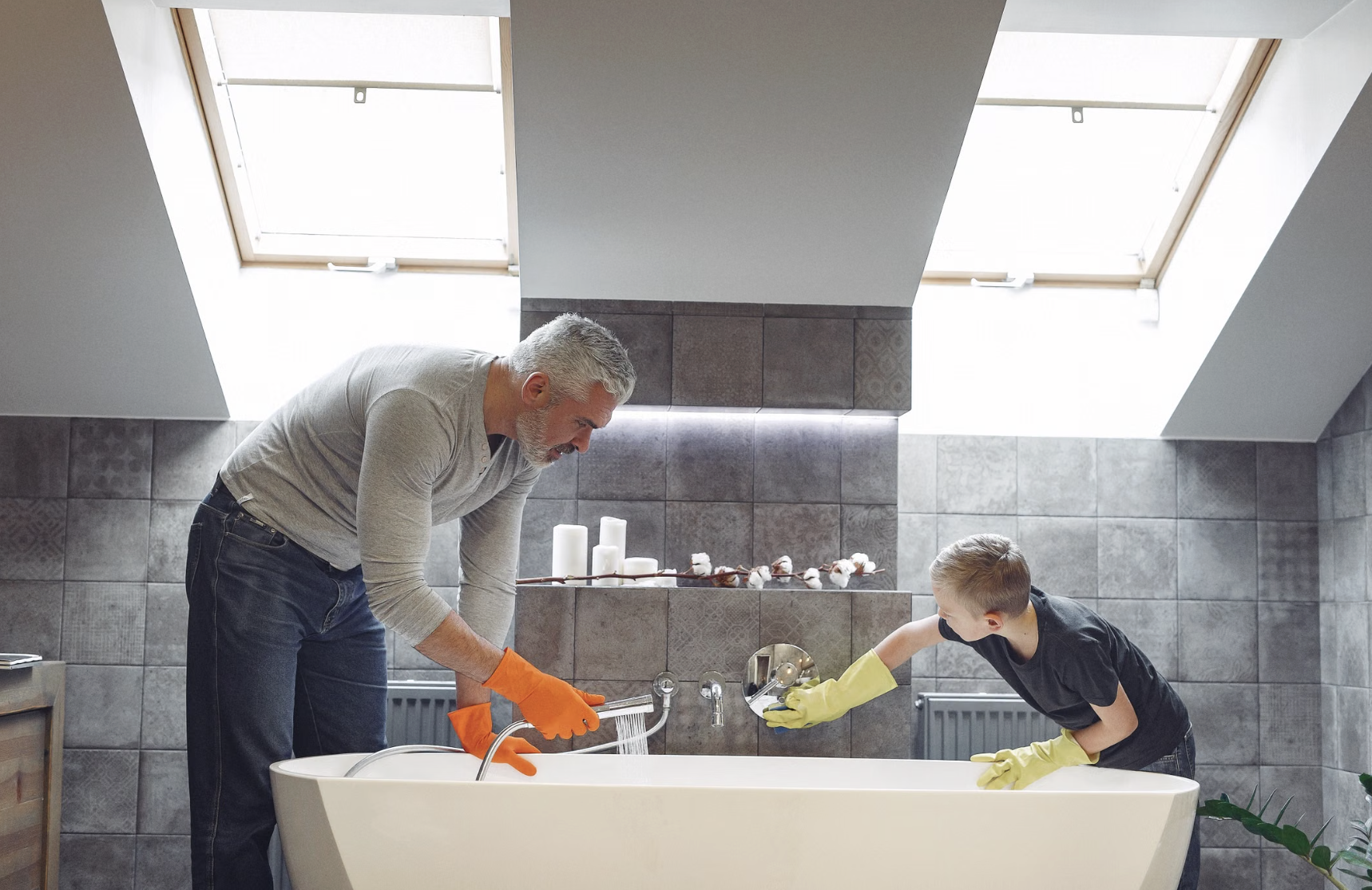
Quick Summary:
- Functional skills training focuses on the daily tasks your child needs for independence, not abstract goals.
- Building these skills reduces daily stress for your entire family, not just your child.
- At EverCare ABA, our team teaches these skills using strategies that transfer directly into your home and community.

Getting dressed shouldn't take forty-five minutes every morning. Brushing teeth shouldn't turn into a daily struggle. You've probably found yourself doing tasks for your child that they're capable of learning, not because you want to, but because it's faster and everyone is already running late. If this sounds familiar, you're describing a pattern that plenty of families live with every single day.
We talk with parents about this constantly. The goal isn't to add more to your plate. It's to build skills that eventually take things off it, for your child and for your whole household.
What is Functional Skills Training?
Functional skills training refers to teaching the practical, everyday tasks your child needs to move through daily life with less support over time. This includes getting dressed, brushing teeth, using the bathroom independently, preparing simple snacks, and managing routines without constant prompting.
Daily living skills ABA therapy breaks these tasks down into smaller steps, teaches each step directly, and builds toward full independence at a pace that fits your child. Instead of assuming a child will pick up these skills by watching others, our team teaches them explicitly, then reinforces them consistently across settings.
Why Independence Skills Matter for Autism
Independence skills autism programs focus on aren't about rushing a child toward adult responsibilities. It's about reducing the number of tasks that require a parent's constant involvement, one skill at a time.
A child who can dress independently in the morning changes the entire pace of a household's routine. A child who can prepare a simple snack after school reduces the pressure on a parent juggling other responsibilities. These small shifts add up, and they matter for the whole family, not just the child learning the skill.
Life skills training autism benefits extend into school, community outings, and eventually adulthood. A child who learns to manage a daily routine at home tends to carry that structure into other environments as well.

Self-Care Skills ABA Teaches
Self-care skills ABA therapy typically targets:
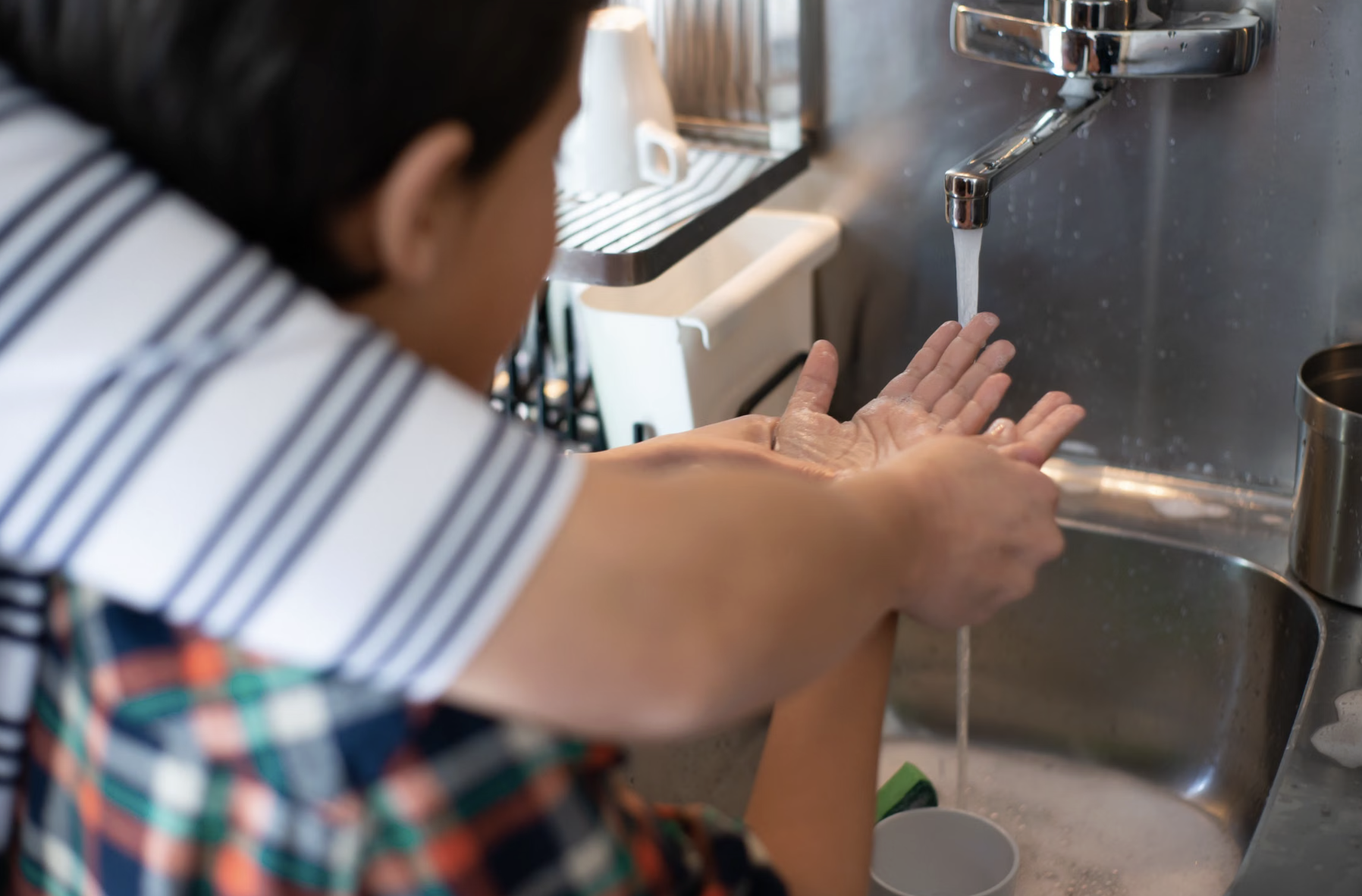
- Dressing and grooming: Putting on clothes, brushing teeth, washing hands, and managing hygiene routines with less prompting.
- Toileting independence: Reducing reliance on reminders or physical assistance during bathroom routines.
- Feeding and mealtime skills: Using utensils, trying new foods, and sitting through a full meal without constant redirection. Families dealing with more complex eating challenges often benefit from our feeding therapy services alongside general skill-building.
- Sleep and bedtime routines: Following a consistent nighttime sequence without repeated prompting from a parent.
In our experience, these skills often improve fastest when practiced in the exact setting where they need to happen, which is why so many families see strong progress through in-home ABA therapy.
Teaching Independence Autism Through Community Living Skills
Community living skills autism programs address extend beyond the house. Grocery shopping, ordering at a restaurant, crossing the street safely, and navigating a public space all require specific skills that don't develop automatically for every child.
Teaching independence to autism specialists often includes practicing these skills in real settings, not just in a therapy room. A child might practice ordering food at an counter, waiting in line, or handling a small amount of money for a purchase. This kind of practice builds confidence that carries directly into daily life.
We've worked with children who struggled with the noise and unpredictability of a grocery store, avoiding trips entirely. Through gradual exposure and clear, practiced steps, some of these children built enough tolerance to join a parent on a short shopping trip, something that felt out of reach before therapy began.
How Functional Skills Training Supports the Whole Family
Every skill your child gains through functional skills training changes something for the rest of your household, too. A sibling who used to manage a younger brother's shoes every morning gets that time back. A parent who spent an hour on bedtime routines gets an evening that ends earlier.
In our experience, families often underestimate how much daily stress builds up around tasks that seem small individually. Teaching a child to shower independently, or to follow a morning routine with a visual schedule instead of verbal prompts, frees up time and reduces friction for everyone in the house, including brothers and sisters who often absorb more of the daily load than parents realize.
We've seen siblings become less resentful of caregiving responsibilities once a child gained even partial independence in dressing or mealtime routines. The goal isn't to shift responsibility onto siblings. It's to reduce how much support any one task requires from the family overall.
ABA Strategies That Build Functional Skills
Our team uses a few consistent strategies across daily living and self-care goals:
- Task analysis: Breaking a skill like brushing teeth into smaller steps, then teaching each step in sequence until the full task can be completed independently.
- Visual schedules: Using pictures or written steps to guide a child through a routine without relying on constant verbal reminders.
- Prompting and fading: Providing support at first, then gradually reducing it as the child demonstrates the skill on their own.
- Practice in natural settings: Teaching a skill in the environment where it needs to happen, whether that's the bathroom, kitchen, or a grocery store.
These strategies work because they build skills the way your child will use them, not in an isolated setting disconnected from daily life.
How EverCare ABA Builds a Functional Skills Plan
Week 1: Initial Consultation
We talk with you about which daily tasks feel hardest right now, whether that's mornings, mealtimes, or outings in the community. We ask what's been tried before and what worked.
Weeks 2 to 3: Full Assessment
Our team observes your child's current abilities across daily living, self-care, communication, and community skills. Multiple specialists spend time with your child directly, then meet to build one coordinated plan.
Week 4: Family Planning Meeting
We share what we found and explain our recommendations clearly. You tell us which skills matter most for your household, and we prioritize the plan around your family's daily reality.
Week 5: Therapy Begins
Your child starts working on these goals, whether through focused therapy, comprehensive therapy, or a mix of in-home and center-based sessions, depending on what fits your family best.
Our Columbus and Baltimore teams apply this same structured process for every family we work with.

Frequently Asked Questions
1. What age should functional skills training start?
There's no fixed starting age. Daily living skills ABA therapy can begin as soon as a child is ready to learn a specific task, and goals adjust as your child grows.
2. How long does it take to see progress with self-care skills?
Progress varies by child and skill. Simpler tasks may show improvement within weeks, while more complex routines take longer and build gradually through consistent practice.
3. Can these skills be taught alongside other therapy goals?
Yes. Functional skills training often works alongside communication and behavior goals within a comprehensive therapy plan, since these areas frequently connect.
4. Will siblings be involved in the therapy process?
Siblings aren't part of formal sessions, but building your child's independence often reduces the caregiving load siblings take on at home, which we consider when planning goals.
5. Does insurance cover functional skills and daily living goals within ABA therapy?
Coverage depends on your plan. Our team can walk you through your insurance options during your initial consultation.
Let's Talk About Your Child's Independence Goals
If mornings feel harder than they should, or your child depends on you for tasks they could learn to manage, reach out to our team. We'll talk through your family's daily routine honestly and help you figure out where functional skills training could make the biggest difference.
Call our Ohio office at (380) 710-2630, our Maryland office at (443) 603-1260, or email us at support@evercareaba.com.


Ready To Begin
Get the Support Your Child Truly Deserves
Start your journey with EverCare ABA today. Our team will answer questions, verify insurance, and guide you through every step—so your child can begin thriving with the care they need.