Our Blog

How In-Home ABA Therapy Supports Generalization of Skills
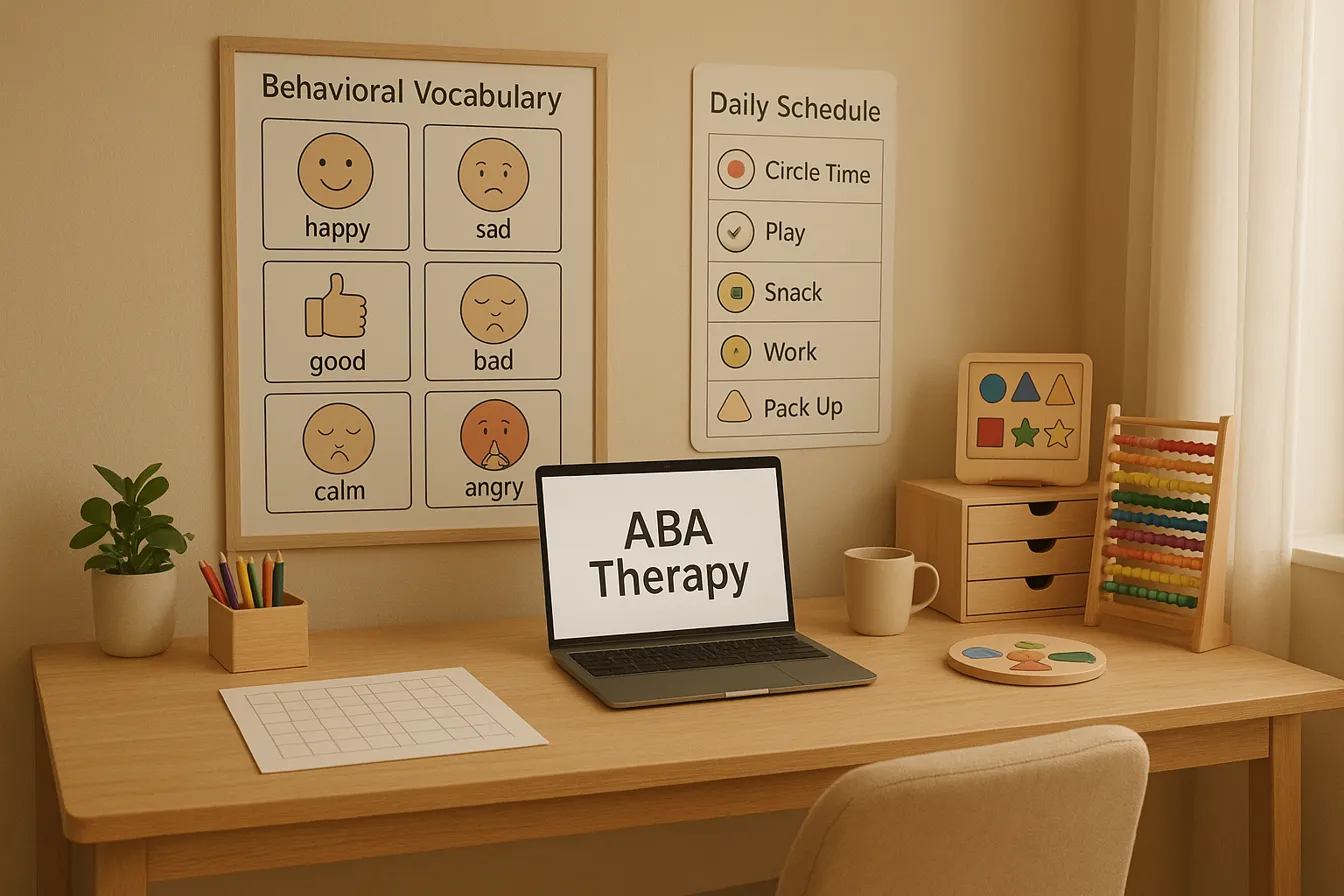
Introduction to Applied Behavior Analysis (ABA) and Its Benefits for Children with Autism
What is ABA Therapy?
Applied Behavior Analysis (ABA) is a scientifically supported treatment approach designed to improve behaviors and develop vital skills in children diagnosed with Autism Spectrum Disorder (ASD). At its core, ABA utilizes evidence-based techniques such as positive reinforcement, structured learning, and naturalistic teaching methods to encourage desirable behaviors.
Benefits of ABA Therapy for Children with Autism
ABA therapy has been shown to make significant improvements in communication, social interaction, and daily living skills. It helps children develop independence by teaching skills like dressing, toileting, and social engagement. The therapy also supports the reduction of challenging behaviors, thereby improving the child’s social integration and quality of life.
The Importance of Early Intervention and Individualized Plans
Starting ABA early, especially before age six, leverages the brain's plasticity to maximize progress. Each child receives a personalized program developed by Board Certified Behavior Analysts (BCBAs) based on thorough assessments. These individualized plans focus on the child’s unique strengths, interests, and areas for growth, ensuring an approach tailored for the best outcomes. Early and targeted intervention fosters meaningful development and long-term success.
Personalized Treatment Plans and Family-Centered Care at EverCare ABA

How Does EverCare ABA Personalize Treatment Plans for Children with Autism?
EverCare ABA develops treatment plans tailored specifically to each child's unique strengths, interests, and challenges. Board Certified Behavior Analysts (BCBAs) conduct thorough assessments to understand the child's developmental level and individual needs. Using this information, they design data-driven, measurable goals aimed at fostering communication skills in ABA, social skills improvement, and daily living activities support.
Treatment often takes place in the child's natural environment, such as their home, to increase comfort and support the generalization of ABA skills to everyday life. Registered Behavior Technicians (RBTs), supervised by BCBAs, deliver therapy using evidence-based ABA methods while adapting approaches to suit the child's evolving capabilities.
What Is the Role of BCBAs and RBTs in Therapy Delivery?
BCBAs are responsible for creating and continuously monitoring the individualized treatment plan. They collect and analyze data to make informed adjustments that enhance progress and ensure therapy effectiveness. Learn more about the role of BCBAs in ABA.
RBTs implement therapy sessions directly, applying ABA techniques under the BCBA's guidance. Their hands-on role involves teaching new skills, reinforcing positive behaviors, and engaging the child in structured learning in ABA and naturalistic teaching in ABA activities.
Why Is Family Involvement Important in the ABA Therapy Process?
Family involvement is crucial to the success of ABA therapy at EverCare ABA. Caregivers are trained to support and reinforce skills throughout daily routines, allowing consistent practice beyond therapy sessions. This collaboration ensures skill generalization across different settings such as home, school, and community.
Parents and caregivers actively participating in treatment create a supportive environment that promotes the child's confidence, independence, and long-term success. Communication between the family and therapy team allows for personalized adjustments, meeting the child's evolving needs effectively. Discover more about caregiver involvement in ABA therapy.
In-Home ABA Therapy: Enhancing Learning in Natural Environments
What are the benefits of delivering ABA therapy at home?
In-home ABA therapy offers a personalized and familiar setting for children with autism, which enhances comfort and reduces anxiety. This environment allows therapists to observe natural behaviors and tailor interventions based on daily routines, making learning more functional and meaningful. Incorporating therapy into natural settings supports better skill retention and generalization of skills in therapy like dressing, mealtime, and social interactions. Families benefit from increased involvement and the ability to reinforce strategies consistently throughout the day.
How does in-home therapy support comfort and engagement?
By providing therapy in a child's own home, sensory overload is minimized, and children are more relaxed and focused. The familiar environment fosters trust and rapport with therapists, leading to increased motivation and participation. Scheduling flexibility reduces logistical stress on families, promoting regular and consistent therapy sessions. This comforting setting encourages children to engage willingly, making sessions more productive.
How are everyday items and routines used to facilitate skill acquisition and generalization?
In-home therapy harnesses common household items such as toys, kitchen utensils, and clothing to teach practical skills directly linked to the child’s daily life. Embedding ABA strategies into routines like bathing, dressing, or meal preparation helps children practice skills repeatedly in natural contexts, enhancing support generalization of ABA skills at home. Visual supports like schedules and picture cues are integrated to boost understanding and independence. Family members actively participate, reinforcing behaviors and promoting consistent practice.
What delivery formats of ABA therapy does EverCare ABA offer?
EverCare ABA provides therapy through in-home ABA therapy, virtual ABA services, and clinic-based ABA therapy, offering families flexible options that best meet their needs and support consistent, meaningful progress.
The Science and Evidence Behind ABA Therapy
What is Applied Behavior Analysis (ABA) therapy and how does it benefit children with autism?
ABA therapy is a scientifically supported treatment that employs behavioral principles to help children with autism improve communication, social interactions, and daily living skills. Each child receives an individualized treatment plan crafted by Board Certified Behavior Analysts (BCBAs), who use evidence-based ABA methods like positive reinforcement in ABA and structured learning in ABA. Early and intensive ABA intervention often enables children to participate in mainstream classrooms, develop independence, and increase social integration. Family involvement plays a critical role in reinforcing learned skills across different environments, ensuring meaningful progress.
What evidence supports the effectiveness of ABA therapy for children with autism?
More than 40 years of rigorous research, including controlled clinical trials, demonstrate ABA’s success in enhancing adaptive behaviors and reducing challenging behaviors in children with autism. Esteemed organizations such as the American Psychological Association endorse ABA as the most validated behavioral intervention. Studies report success rates exceeding 89% in improving language abilities, IQ, and daily functioning. Ongoing research continues to refine and personalize ABA approaches to maintain their evidence-based, patient-centric nature.
Research validating ABA’s effectiveness
- Consistently improves communication, social, and behavioral outcomes
- Supported by federal agencies and health authorities in the U.S.
- Demonstrated skill generalization and maintenance with long-term benefits
Key outcomes demonstrated by studies
| Outcome | Description | Impact on Child |
|---|---|---|
| Language Skills | Significant gains in expressive and receptive language | Enhanced communication and social integration |
| Adaptive Behaviors | Improvements in daily living and self-help skills | Greater independence |
| Behavior Reduction | Decrease in challenging behaviors | Safer, more positive environments |
Endorsements by major health organizations
- American Psychological Association (APA)
- National Institutes of Health (NIH)
- Centers for Disease Control and Prevention (CDC)
These endorsements underscore ABA therapy as an essential, evidence-based treatment to help children with autism achieve meaningful and lasting improvements in their development and quality of life.
Strategies for Promoting Generalization of ABA Skills in the Home

What is the importance of generalization in ABA therapy?
Generalization refers to a child's ability to apply skills learned in therapy across different settings, people, and situations. This process is vital because it ensures that the behaviors and abilities acquired during ABA sessions are functional and useful in the child's everyday life, promoting independence and meaningful progress. Learn more about the importance of generalization in ABA therapy.
What types of generalization are addressed in ABA?
ABA therapy focuses on various forms of generalization including:
- Stimulus generalization: Responding similarly to different but related stimuli (e.g., recognizing the word "apple" in books, pictures, and real fruit).
- Response generalization: Applying learned skills in new ways (e.g., greeting different people using appropriate social manners).
- Maintenance: Continuing to use skills long after initial teaching, ensuring they become lasting habits. For an overview of these types, see Generalization in ABA.
What practical strategies are used to encourage skill transfer?
Several evidence-based tactics support generalization:
- Modeling and role-playing: Demonstrating behaviors and practicing them in naturalistic contexts help children imitate and learn social and daily living skills.
- Naturalistic teaching: Incorporating learning opportunities within typical routines, such as during mealtime or play, makes skill use relevant and motivating.
- Reinforcement through natural rewards: Using consequences that naturally follow a behavior (like praise or access to preferred activities) encourages children to repeat skills outside of therapy.
You can explore these strategies in detail at how to encourage generalization of skills learned in ABA therapy.
How do caregivers support generalization and skill maintenance?
Caregivers play a crucial role by:
- Participating actively in therapy sessions and observing strategies.
- Practicing targeted skills consistently at home within daily routines.
- Collaborating closely with therapists to adapt and reinforce techniques.
- Providing consistent reinforcement and gradually reducing prompts to foster independence.
For more on caregiver involvement, see Supporting skill generalization at home.
What developmental areas does EverCare ABA focus on?
EverCare ABA targets a comprehensive range of developmental areas including communication (both verbal and non-verbal), social skills, daily living activities like dressing and feeding, emotional regulation, and attention span. This holistic approach supports children in generalizing skills across multiple contexts to enhance their overall growth. Discover more about EverCare ABA services.
Empowering Families: Supporting Parents to Foster Skill Generalization
Training and Coaching Parents in ABA Techniques
EverCare ABA emphasizes empowering families by training parents in effective ABA therapy overview strategies. This hands-on coaching equips caregivers with the tools to reinforce therapeutic skills outside formal sessions, paving the way for sustained progress and independence. By learning to implement prompting, reinforcement, and data collection at home, parents become active partners in their child's development.
Embedding Skills into Daily Routines
Incorporating ABA skills naturally into everyday activities such as mealtime, dressing, and playtime enhances Generalization of ABA skills. EverCare ABA supports families in weaving therapy goals into these familiar routines, making learning intuitive and functional. Consistent practice in these natural contexts increases the likelihood that children will apply skills across various settings.
Collaboration and Communication Between Families and Therapists
Strong communication between parents and ABA providers is vital. EverCare ABA fosters regular interaction to tailor interventions based on progress, challenges, and family preferences. This cooperative approach ensures that therapy adapts to evolving needs and that caregivers feel supported throughout the journey.
Overcoming Barriers to Generalization
Families often encounter challenges like prompt dependency or limited environments for skill practice. EverCare ABA guides parents in addressing these obstacles through strategies such as fading prompts, varying teaching stimuli, and introducing skills in diverse settings. Their expert support helps families navigate these complexities with confidence.
How Does EverCare ABA Support Families in Navigating Insurance and Therapy Options?
EverCare ABA provides personalized assistance with understanding insurance coverage, pre-authorizations, and public funding programs including Medicaid and IDEA. This guidance demystifies the financial aspects of therapy access, alleviating stress and ensuring steady treatment continuation for children and their families.
The Long-Term Impact of In-Home ABA Therapy on Skill Maintenance and Independence

Why Maintenance and Fading Prompts Matter in ABA Therapy
Maintenance in ABA therapy means that a child continues to use the skills they learned during therapy over time, even after sessions become less frequent. Maintenance and fading prompts in ABA, which involves gradually reducing assistance, helps children build independence by encouraging them to perform tasks without relying on constant support. This approach prevents prompt dependency and fosters confidence in skill use.
Benefits of Practicing Skills in Different Settings
Practicing skills across various environments—home, school, community, and social situations—helps children apply what they've learned flexibly. This transfer, known as generalization in ABA therapy, ensures skills remain functional and relevant. For example, a child learning to communicate wants through picture cards will benefit most when they can do so not only in therapy but also at home, in stores, and with different people.
How In-Home ABA Therapy Supports Long-Term Progress
In-home ABA therapy offers a familiar, comfortable setting that reduces distractions and sensory overload, improving engagement and learning. Therapists can incorporate daily routines like dressing, mealtime, and play, making skills immediately practical. Family members actively participate, receiving training that helps them reinforce skills consistently. This collaboration ensures that skills maintain strength over time and promote greater independence.
By focusing on maintenance through fading prompts and using skills throughout natural environments, in-home ABA therapy benefits facilitates lasting developmental gains. This personalized approach, grounded in everyday contexts, empowers children to build independence and confidence well beyond the therapy sessions.
Conclusion: The Transformative Role of In-Home ABA Therapy in Skill Generalization
In-home ABA therapy provides a unique advantage by allowing children to learn and practice skills within the familiarity of their own home. This natural setting enhances skill generalization, helping children apply behaviors across different environments like school and community.
Family involvement is vital; caregivers not only observe and reinforce skills but actively collaborate with therapists to tailor approaches that support continuous progress. This partnership empowers families and boosts children's confidence and independence.
EverCare ABA exemplifies a commitment to personalized, evidence-based care, offering in-home and virtual therapy tailored to each child's needs. Their focus on clear communication, progress monitoring, and family engagement ensures skills learned are meaningful and functional, fostering lasting developmental gains for children with autism.


Ready To Begin
Get the Support Your Child Truly Deserves
Start your journey with EverCare ABA today. Our team will answer questions, verify insurance, and guide you through every step—so your child can begin thriving with the care they need.