Our Blog

How Parent Coaching Enhances ABA Therapy Effectiveness
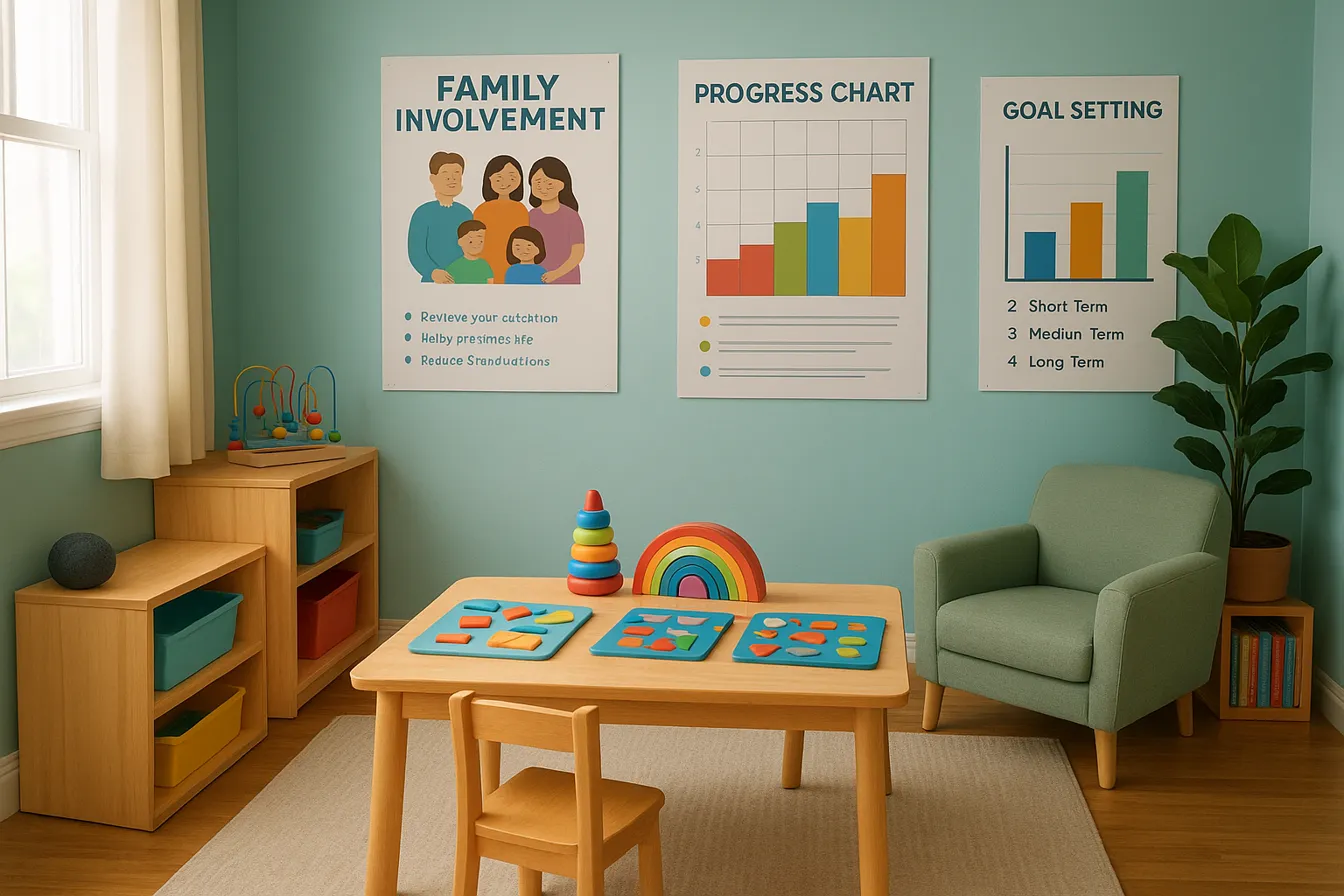
Introduction to the Role of Parent Coaching in ABA Therapy
Understanding Parent Coaching in ABA Therapy
Parent coaching is a collaborative approach that trains parents to apply Applied Behavior Analysis (ABA) strategies within their child's daily environments. This method empowers caregivers by providing practical skills and knowledge to reinforce therapeutic goals consistently at home, school, and community settings.
What is ABA Therapy?
ABA therapy is a scientifically validated intervention focusing on improving communication, social skills, and managing behavioral challenges in children with autism spectrum disorder (ASD). It emphasizes individualized, data-driven techniques to foster meaningful development.
The Importance of Family-Centered Care
Incorporating family involvement, especially through parent coaching, is crucial for effective ABA therapy. It ensures consistency across environments, enhances generalization of skills, and strengthens parent-child relationships. Parents become active collaborators, deeply engaged in goal-setting, progress monitoring, and applying strategies tailored to their child's unique needs.
Benefits of Parent Coaching
Integrating parent coaching in ABA therapy leads to accelerated skill acquisition, improved communication, reduction of challenging behaviors, and lasting developmental gains. It also builds parental confidence, reduces stress, and promotes a supportive home environment conducive to the child's growth. Ultimately, parent coaching bridges therapy with everyday life, maximizing the potential for sustainable progress.
Parental Involvement: The Cornerstone of Effective ABA Therapy

How are parents involved in ABA therapy?
Parents play a vital role in ABA therapy by actively collaborating with therapists and participating in specialized training sessions. Through Parent coaching in ABA therapy and training, they learn to apply ABA strategies at home and in everyday settings, reinforcing skills their child acquires during therapy.
Their active involvement ensures that positive behaviors are consistently practiced, increasing the likelihood of parent involvement in ABA therapy such as home, school, and community. Educated and empowered parents better understand ABA principles, enabling them to become strong advocates and effective supporters of their child’s development.
Collaboration between parents and therapists
Successful ABA therapy depends on a collaborative approach between parents and therapists. Together, they set realistic, measurable goals tailored to the child's unique needs. Therapists provide ongoing guidance, share progress data, and adjust strategies based on family feedback.
This open communication fosters trust, allowing parents to confidently implement interventions and troubleshoot challenges in real time. Role of BCBAs and BCaBAs in parent training often work directly with families, offering hands-on training, modeling, and behavioral management techniques.
Enhancing generalization of skills across environments
One of the main benefits of involving parents is improved generalization, where children transfer learned skills to multiple settings. Since parents integrate ABA strategies into daily routines, children practice communication, social, and adaptive behaviors naturally and consistently.
This continuous reinforcement leads to faster skill acquisition, better retention, and increased independence. Training parents in Implementing Behavior Intervention Plans also helps manage and reduce challenging behaviors effectively outside the clinical environment.
Empowerment and education of parents
Parent education equips caregivers with evidence-based techniques like Positive reinforcement techniques, prompting, and functional behavior assessments. This knowledge reduces parental stress and builds confidence, creating a positive cycle that benefits the whole family.
Personalized parent coaching programs often include visual supports, role-playing, telehealth sessions, and practical tools tailored to unique family circumstances. Empowered parents not only implement therapy with greater fidelity but also nurture stronger emotional bonds, fostering motivation and ongoing progress for children with autism.
| Aspect | Description | Benefits |
|---|---|---|
| Parent involvement | Active collaboration, training, and strategy implementation | Improved generalization, stronger emotional bonds |
| Collaboration | Goal-setting, ongoing communication, feedback | Tailored interventions, therapy adjustments |
| Generalization | Consistent reinforcement at home and community | Faster skill acquisition, better independence |
| Parent empowerment | ABA education, coaching, stress reduction | Increased confidence, reduced challenges, sustained progress |
Understanding Parent-Led and Parent-Mediated ABA Therapy Approaches

What is parent-led ABA therapy?
Parent-led ABA therapy is an approach where parents actively implement Applied Behavior Analysis interventions with their children. This method empowers parents by equipping them with effective strategies and techniques to support their child's development consistently across environments such as home and community. By taking a central role, parents become key agents in reinforcing skills and managing behaviors, creating a positive, supportive setting that complements professional therapy sessions.
Research supports that parent-led ABA increases parental self-efficacy—a parent's confidence and ability to address their child's needs effectively. Higher parental self-efficacy correlates with reduced stress and fosters a nurturing environment that benefits the whole family. This approach encourages collaboration between families and therapists, leading to more successful and sustainable outcomes for children with autism.
What is parent-mediated ABA therapy?
Parent-mediated ABA therapy involves training parents by qualified professionals to deliver ABA techniques within daily routines and real-life situations. This training includes teaching parents how to consistently reinforce skills and manage behaviors outside formal therapy sessions. With ongoing professional coaching, parents learn evidence-based strategies such as positive reinforcement, prompting, and behavior management, integrated naturally into everyday activities.
This model enhances communication and social skills in children while reducing challenging behaviors. Research shows that parent-mediated interventions boost parental confidence and reduce parenting stress. Early initiation and continuous support are crucial for proper implementation, helping families maintain progress and generalize skills across settings.
Research evidence supporting these approaches
Studies indicate that active parental involvement, whether through parent-led or parent-mediated ABA, significantly improves therapy effectiveness. Consistent reinforcement at home leads to faster skill acquisition and better generalization of behaviors. Research also confirms that these approaches decrease parental stress by increasing self-efficacy and providing practical, accessible tools for managing their child's development.
Benefits including self-efficacy and reduced parenting stress
Engaging parents directly in ABA therapy empowers them with knowledge and skills, promoting independence for the child and confidence for the caregivers. This reduces the uncertainty and stress commonly experienced by families managing autism. Strengthened parent-child relationships, improved family dynamics, and lasting developmental gains for children are notable outcomes. Together, these strategies foster a collaborative, family-centered approach that enhances long-term success.
| Aspect | Parent-Led ABA | Parent-Mediated ABA | Benefits of Both |
|---|---|---|---|
| Role of Parent | Central implementer of ABA techniques | Trained to deliver ABA within everyday routines | Increased parental confidence and skill |
| Professional Involvement | Collaboration with therapists for planning | Training and coaching from qualified professionals | Consistent skill reinforcement and generalization |
| Key Outcomes | Higher parental self-efficacy, reduced stress | Improved child communication, social behaviors | Better child developmental progress |
| Implementation Setting | Home, community, and beyond | Daily routines, natural environments | Family-centered, practical application |
Research Evidence Supporting ABA Parent Training
Is There Research Supporting ABA Parent Training?
Research robustly supports the effectiveness of Parent training in ABA therapy for children with autism spectrum disorder (ASD). Studies demonstrate that engaging parents in ABA Parent Engagement therapy significantly improves their child's skill acquisition and Generalizing Behaviors Across Environments.
Validated Outcomes of Parent Training in ABA
Parent training has been shown to accelerate developmental progress by enhancing Improving Communication with ABA, social skills, and behavior regulation. Research highlights improvements in functional communication and social interactions, as well as reductions in challenging behaviors when parents actively implement ABA strategies.
Impact on Parental Confidence and Reduction of Stress
Training parents in ABA techniques also contributes to increased Enhancing Parental Confidence and reduced stress levels. Parents report feeling more empowered and capable of supporting their child’s growth, which promotes a positive family environment and Parental involvement benefits in ABA.
Collaboration with Professionals and Improved Fidelity in Implementation
Collaboration between parents and ABA professionals, including Board Certified Behavior Analysts (BCBAs) and Registered Behavior Technicians (RBTs), ensures tailored interventions and high-fidelity implementation of behavior plans. This teamwork helps customize strategies to family needs, reinforces skills outside sessions, and sustains long-term developmental gains through Collaborative Strategy Adjustment.
Together, the evidence affirms that Parent training in ABA therapy is a critical element in Parent Involvement in ABA Therapy, yielding better behavioral outcomes for children and improved family well-being.
How Parent Coaching Accelerates Skill Acquisition and Generalization

What Methods Are Used in Parent Coaching Programs Like Behavioral Skills Training (BST)?
Parent coaching commonly employs Behavioral Skills Training (BST) for parents, a structured teaching approach that combines instruction, modeling, rehearsal, and feedback. BST equips parents with the hands-on skills needed to effectively apply ABA techniques, such as prompting and reinforcement, in everyday situations with their children.
How Do Modeling, Role-Playing, and Feedback Support Parent Learning?
Modeling demonstrates the exact behaviors and strategies parents should use, while role-playing provides a safe space to practice these skills during coaching sessions. Immediate feedback from trained professionals helps parents refine their technique, boosting confidence and ensuring they can implement strategies accurately and consistently at home. These parent coaching strategies at home are essential for effective learning.
How Does Parent Coaching Support Generalization Across Settings?
A significant benefit of parent coaching in ABA therapy is promoting skill generalization — the application of learned behaviors beyond therapy sessions. Parents learn to integrate ABA interventions into daily routines across multiple environments, including home, school, and community. This continuous reinforcement across settings fosters independence and long-term retention of skills in children with autism, as highlighted in improving skill generalization with parent training.
How Are Tools Like PAIRS Used to Tailor Coaching to Families?
Tools such as the Parent and Family Intervention Response Scale (PAIRS) assess each family’s unique circumstances, preferences, and needs. This assessment allows coaches to personalize training content and delivery, enhancing engagement and maximizing the effectiveness of the intervention by addressing each family's specific challenges and strengths. The approach is consistent with tailoring coaching to family needs, enabling more effective outcomes.
Parent coaching programs using BST and customized approaches empower caregivers to consistently support their child’s development, accelerating skill mastery and effective generalization across various life settings, ultimately improving the child’s functional abilities and quality of life. For more on such benefits of parent coaching programs, see the linked resources.
Addressing Challenges and Enhancing Access to Parent Training

What barriers exist for parents in ABA training, and how can they be addressed?
Parents face several challenges in engaging with ABA training, including time constraints, difficulty maintaining consistent application of techniques, managing multiple responsibilities, and dealing with stress or burnout. These hurdles can reduce the effectiveness of parent training if not properly addressed.
To overcome these barriers, flexible training formats have proven beneficial. Telehealth options for parent coaching and hybrid models combine live video coaching with occasional in-person sessions, allowing parents to receive guidance while accommodating their schedules. This approach enhances access for families in remote areas or those with tight commitments. Structured support systems and tailored coaching also assist parents in establishing routines that fit their daily lives, promoting consistency and reducing stress (Tailoring coaching to family needs, Parent coaching in ABA therapy).
How does cultural responsiveness improve parent coaching?
Culturally responsive parent training recognizes and respects family values, traditions, and unique dynamics. By tailoring strategies to reflect cultural backgrounds and communication styles, coaches create a more inclusive environment. This responsiveness improves engagement, fosters trust, and addresses potential systemic or language barriers, leading to more meaningful and sustainable outcomes for children and families (Addressing Systemic and Cultural Barriers, Cultural Adaptations in ABA Coaching).
Are there accessible resources or materials for ABA parent training?
Yes, a wide array of accessible resources exists for parents seeking ABA training. These include online platforms offering structured curricula, instructional videos, printable guides, and interactive modules. Examples like RUBI platform for parents and ABA Visualized resources provide practical tools covering behavior management, data collection, reinforcement methods, and skill generalization techniques.
Such resources complement coaching by helping parents understand ABA principles and apply them effectively at home and in community settings. Furthermore, many programs incorporate hands-on practice supported by qualified professionals such as Board Certified Behavior Analysts (BCBAs) or Registered Behavior Technicians (RBTs), ensuring ongoing feedback and individualized guidance (Collaboration Between Parents and Professionals.
By utilizing flexible training formats, culturally adapted coaching, and comprehensive educational materials, parent training in ABA becomes more accessible and effective. This empowers families in the United States to support their child's development confidently and sustainably, enhancing therapy outcomes and everyday quality of life.
Financial Considerations: Insurance Coverage and Therapy Costs
Will my insurance cover ABA therapy?
Most health insurance plans in the United States cover Applied Behavior Analysis (ABA) therapy for children diagnosed with autism. Since all 50 states have Medicaid coverage for autism treatment, including ABA, and federal mandates enacted since 2021 require insurance providers nationwide to cover medically necessary autism interventions, families often find support through insurance.
Major providers such as Medicaid, Aetna, Cigna, United Healthcare, Blue Cross Blue Shield, and Kaiser Permanente typically include ABA therapy coverage. Coverage specifics, like copayments, deductibles, and prior authorization requirements, vary by state and individual plans. Parents should carefully review their insurance policy, use verification services, and secure proper documentation to maximize coverage benefits.
How much does one hour of ABA therapy typically cost?
ABA therapy costs usually range from $120 to $150 per hour in the US, influenced by location, provider qualifications, and service type. Children commonly receive between 10 to 40 hours of therapy weekly, leading to annual expenses between roughly $62,400 and over $249,600 without insurance.
Many insurance plans, Medicaid included, help cover these costs, significantly lowering out-of-pocket expenses. Pricing also depends on the credentials of practitioners like Board Certified Behavior Analysts (BCBAs) and treatment formats such as in-home or clinic-based sessions.
Weekly hours and potential annual expenses
| Weekly Hours | Estimated Annual Cost | Notes |
|---|---|---|
| 10 hours | $62,400 - $78,000 | Minimum typical therapy range |
| 20 hours | $124,800 - $156,000 | Moderate therapy involvement |
| 40 hours | $249,600 - $312,000 | Intensive therapy programs |
Tips for families to navigate insurance and reduce out-of-pocket costs
- Thoroughly review insurance plans to understand coverage limits and requirements.
- Obtain diagnoses and professional treatment plans to support claims.
- Work with ABA providers experienced in insurance billing and authorizations.
- Explore state Medicaid programs and early intervention services.
- Use parent coaching in ABA therapy and parent training in ABA programs included in some plans for added therapeutic benefit.
- Advocate for coverage and seek assistance from autism support organizations.
By being proactive and informed, families can access effective ABA therapy through insurance, enhancing developmental outcomes while managing financial challenges.
Strengthening Parent-Child Relationships Through Coaching
How Does Parent coaching in ABA therapy Improve Emotional Bonds?
Parent coaching in ABA therapy actively involves parents in their child's development, fostering stronger emotional connections. By learning and applying behavioral strategies consistently, parents can respond more effectively to their child's needs, enhancing trust and understanding. This shared engagement supports secure attachments crucial for emotional well-being.
What Role Do ABA Techniques Play in Daily Routines to Foster Connection?
Incorporating ABA techniques—such as positive reinforcement, modeling, and structured routines—into everyday activities like mealtimes, dressing, and playtime helps create natural opportunities for interaction. These strategies promote cooperation and communication, allowing parents and children to connect meaningfully throughout the day.
How Does Parent coaching reduce parental stress through empowerment?
Parent coaching empowers caregivers with practical skills and knowledge, which increase their confidence in managing behaviors and supporting development. This confidence alleviates feelings of uncertainty and stress, making the parenting experience more positive and manageable.
What Are the Positive Impacts on Family Dynamics and Motivation?
Through enhanced communication and understanding, parent coaching promotes harmonious family relationships. Strengthened parent-child bonds motivate both parents and children to engage willingly in therapeutic activities, fostering a supportive environment that encourages ongoing progress and emotional resilience.
Long-Term Benefits and Sustainability of Parent Coaching in ABA Therapy
Sustained skill development and behavior maintenance
Empowered parents as advocates and collaborators
Through targeted coaching, parents become confident and knowledgeable advocates for their children. They effectively collaborate with therapists and educational professionals, ensuring tailored intervention plans that meet the child’s evolving needs. This empowerment reduces parental stress and builds resilience within families, fostering a supportive environment for continuous growth.
Ongoing professional support and goal adjustments
Sustaining progress over time requires ongoing communication between parents and behavior analysts. Professional support assists families in monitoring developmental strides and making necessary adjustments to therapy goals. This dynamic process guarantees that intervention remains relevant and maximizes the child’s potential.
Preparing families for developmental transitions
Parent Training in ABA equips families with practical strategies to handle key developmental transitions, such as moving from preschool to school-aged programs or into adolescence. This preparation supports the child’s independence and social competencies while easing family challenges associated with these shifts, ensuring smoother long-term outcomes.
Conclusion: Empowering Families for Lasting Success in ABA Therapy
A Vital Role for Parents in ABA Therapy Effectiveness
Parent coaching significantly enhances the impact of Applied Behavior Analysis (ABA) therapy by equipping families with the knowledge and skills to apply interventions consistently outside of clinical settings. This continuous support facilitates faster skill acquisition and meaningful generalization across home, school, and community environments.
Embracing Family-Centered Approaches
Personalized family training plans ensure that ABA strategies align with the unique needs of each child and family dynamic. Such tailored approaches empower parents to reduce challenging behaviors, promote communication, and foster independence. Moreover, active parental participation strengthens emotional bonds and nurtures a supportive environment conducive to long-term development.
The Importance of Ongoing Engagement and Collaboration
Sustained progress in ABA therapy relies on ongoing parent involvement coupled with close collaboration between families and professionals. Engaged parents who communicate openly with therapists contribute to setting workable goals, monitoring outcomes, and adapting strategies effectively. Continued education, whether through in-person coaching or telehealth, builds parental confidence and resilience, further enhancing children's developmental trajectories.
By prioritizing family empowerment and consistent collaboration, ABA therapy can achieve lasting, positive outcomes that profoundly benefit children with autism spectrum disorder and their families.



Ready To Begin
Get the Support Your Child Truly Deserves
Start your journey with EverCare ABA today. Our team will answer questions, verify insurance, and guide you through every step—so your child can begin thriving with the care they need.