Our Blog

How Parent Training Enhances ABA Therapy Outcomes
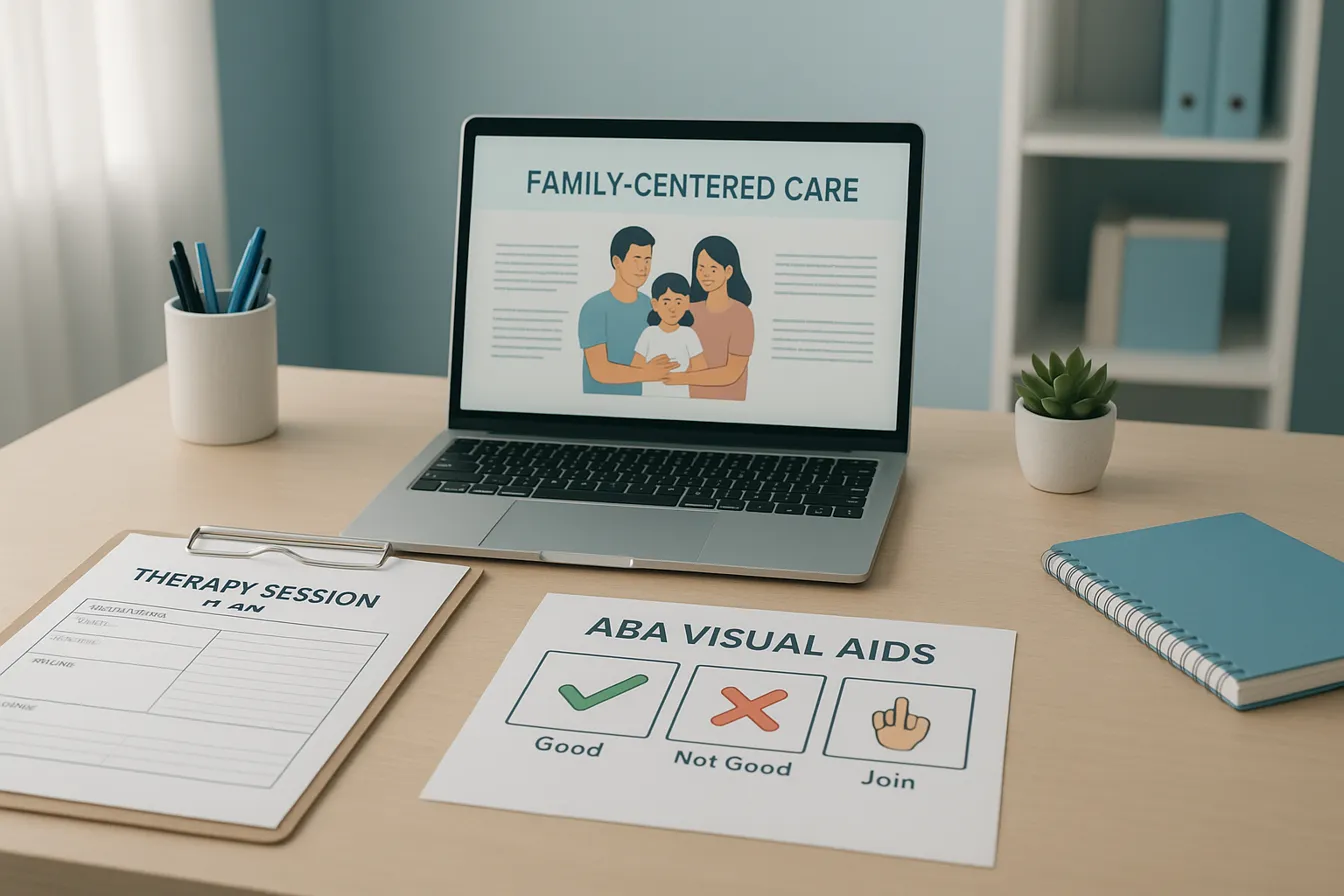
Introduction to the Importance of Parent Training in ABA Therapy
Overview of ABA Therapy and Its Benefits for Children with Autism
Applied Behavior Analysis (ABA) is widely regarded as the gold-standard treatment for autism spectrum disorder (ASD). This evidence-based approach aims to increase positive behaviors and reduce challenging ones, supporting skills such as communication, social interaction, and daily living. Research and clinical practice consistently show that intensive ABA therapy leads to improved language, cognitive abilities, and adaptive functioning in children with autism.
Role of Parents in Supporting ABA Therapy Outcomes
Parents are essential partners in ABA therapy, acting as primary agents of change. Their active involvement allows therapeutic strategies to be reinforced consistently across home, school, and community settings. By applying ABA techniques beyond clinical hours, parents help children generalize skills to real-world environments, leading to faster progress and sustainable developmental gains. Parental support also strengthens the parent-child relationship and builds a foundation for ongoing learning.
Connection Between Parent Training and Therapy Success
Parent training equips caregivers with practical skills such as positive reinforcement, behavior management, and communication strategies tailored to their child's unique needs. Structured programs and ongoing coaching from Board Certified Behavior Analysts (BCBAs) enhance parents’ confidence and reduce stress, resulting in more effective intervention. Studies reveal that children whose parents receive dedicated ABA training demonstrate accelerated skill acquisition, reduced behavioral challenges, and improved emotional well-being. Ensuring parents are actively trained and engaged is central to maximizing the long-term success of ABA therapy for children with autism.
Understanding ABA Therapy and Its Impact on Children with Autism

What is Applied Behavior Analysis (ABA) therapy, and how does it benefit children with autism?
Applied Behavior Analysis (Applied Behavior Analysis) is a scientifically validated treatment approach focused on understanding and improving behavior through environmental interaction. Its primary aim is to help children with autism develop new skills and reduce behaviors that interfere with learning or daily functioning.
ABA employs positive reinforcement to encourage helpful behaviors and decrease challenging ones. Therapy is highly individualized, with Board Certified Behavior Analysts (BCBAs) designing tailored treatment plans addressing communication, social skills, daily living, academic abilities, and more.
Definition and Scientific Basis of ABA Therapy
ABA is based on the science of behavior and learning, investigating how antecedents and consequences influence actions. It uses evidence-based techniques grounded in decades of research and clinical practice since the 1960s (Applied Behavior Analysis for autism).
Core Goals: Skill Acquisition and Behavior Management
The therapy targets increasing useful skills like communication and social interactions while managing behaviors such as aggression or withdrawal. Positive reinforcement strategies are central, promoting repeated desirable behaviors through meaningful rewards (Parent Training in ABA Therapy).
Early Intervention and Individualized Plans
Starting ABA therapy early—commonly between ages 2 and 6—maximizes its impact by supporting critical developmental periods. Treatment plans are customized considering each child’s unique needs, preferences, and goals, ensuring focused and effective intervention (Applied Behavior Analysis for ASD).
Evidence Supporting ABA’s Effectiveness
Studies show long-term benefits of ABA, including improved intellectual functioning, language skills, daily living competencies, and social functioning. Early and intensive therapy (25–40 hours per week) over 1 to 3 years leads to substantial developmental gains and increased independence (Effectiveness of parent training programs for children with ASD).
By empowering children with autism to acquire vital skills and better manage behaviors, ABA therapy enhances their ability to participate more fully in family and community life (Parent involvement in ABA therapy).
The Vital Role of Families in ABA Therapy Success
Family-centered ABA approaches
Family-centered care is fundamental to effective ABA therapy. It involves tailoring interventions to fit a child's unique routines, culture, and needs. Families provide invaluable insights about their child's preferences and behaviors, enabling therapists to customize strategies that work best in daily life. This approach enhances therapy effectiveness by ensuring consistency across all environments, including home, school, and community.
Active parent involvement and collaboration
Parents at EverCare ABA are active partners in the therapy process. They participate in setting goals, practicing skills learned during sessions, and reinforcing behaviors throughout daily routines. Ongoing collaboration between therapists and families fosters open communication, feedback, and shared strategies. This teamwork empowers parents to confidently support their child's growth and addresses challenges promptly.
Enhanced consistency and skill generalization
Consistency is key in ABA therapy, and parent involvement ensures learned skills transfer beyond clinical settings. By reinforcing techniques such as positive reinforcement, prompting, and visual supports, families help children apply new behaviors in real-world situations. This generalization strengthens skill retention and reduces behavior problems, supporting long-term success.
Emotional support and motivation
Parents play a critical role in providing encouragement and emotional support that boost a child’s motivation and confidence. Celebrating small achievements and maintaining a positive environment contribute significantly to sustained progress. Family involvement strengthens parent-child relationships and fosters resilience, which is essential for navigating the challenges of autism therapy. Learn more about the benefits of parent training and emotional support.
Parental empowerment and confidence
Training equips parents with practical ABA techniques, increasing their competence and reducing stress. EverCare ABA supports families through hands-on coaching, ongoing feedback, and accessible resources. Empowered parents report higher confidence in managing behaviors and promoting their child's independence. This empowerment not only benefits the child’s development but also improves overall family well-being. See more on parental empowerment through ABA training.
| Aspect | Description | Impact |
|---|---|---|
| Family-centered care | Personalized strategies fitting the child's lifestyle and culture | Greater therapy relevance and effectiveness (source) |
| Parent involvement | Active participation in goal setting and skill reinforcement | Accelerated skill development and problem-solving (source) |
| Consistency and generalization | Use of ABA techniques across different settings | Improved long-term behavior and skill retention (source |
| Emotional support | Providing motivation and celebrating progress | Enhanced child confidence and positive relationships (source) |
| Parental empowerment | Training and resource support for parents | Increased parent confidence and reduced stress (source |
Tailoring ABA Therapy: How EverCare ABA Meets Unique Child and Family Needs

How does EverCare ABA tailor treatment plans to meet the unique needs of each child?
EverCare ABA begins by conducting comprehensive assessments, including functional behavior analyses, to understand each child's distinct behaviors, strengths, and challenges. This thorough evaluation allows Board Certified Behavior Analysts (BCBAs) to design personalized treatment plans that address specific developmental goals.
These individualized plans utilize evidence-based techniques such as Discrete Trial Training (DTT) and Natural Environment Teaching (NET), blending structured skill-building with opportunities for learning in everyday settings. The therapy focuses on enhancing communication, social skills, daily living abilities, and reducing challenging behaviors.
Clear, measurable goals are established from the start, and ongoing data collection ensures progress is tracked closely. This systematic monitoring enables timely adjustments to maximize the child's development.
Family collaboration is a cornerstone of EverCare ABA’s approach. Through parent training and open communication, therapists empower families to consistently reinforce skills across home, school, and community, facilitating real-world generalization and sustained success.
By combining detailed assessment, expert-designed personalized strategies, evidence-based methods, and strong family partnerships, EverCare ABA delivers flexible, child-centered therapy tailored to support lasting growth and independence.
Innovative Delivery Formats at EverCare ABA to Support Families

What are the different delivery formats of ABA therapy offered by EverCare ABA, and how do they accommodate families' needs?
EverCare ABA provides a variety of therapy delivery formats tailored to meet the unique preferences and needs of each family. Their offerings include in-home therapy, virtual sessions, and center-based programs.
In-Home Therapy: This format enables therapists to work directly within the child's natural environment. It encourages active family participation, helping parents reinforce learned skills consistently throughout daily routines. In-home therapy is especially beneficial for skill generalization as children apply new behaviors in real-world settings involving their family and community.
Virtual Therapy: Virtual sessions provide a flexible and accessible option for families facing logistical challenges, such as distance or scheduling conflicts. This online approach allows parent training and therapist coaching in the comfort of the home, ensuring continuous support without travel demands. It also accommodates diverse family schedules and supports ongoing parent empowerment.
Center-Based Programs: For families who prefer a more structured setting, EverCare ABA offers center-based therapy with focused resources for skill development. These programs foster social interaction among peers and provide a controlled environment for systematic teaching.
By offering these flexible delivery options, EverCare ABA creates a family-centered ABA approaches that respects individual circumstances. This ensures that therapy is accessible, effective, and supports long-term developmental gains by integrating Parental involvement in ABA and accommodating family lifestyles.
How Parent Training Enhances Skill Development and Behavior Management
What are the core components of parent training in ABA therapy?
Parent training is a fundamental part of ABA therapy for autism designed to empower caregivers. It focuses on imparting practical skills such as positive reinforcement, prompting, shaping behaviors, and managing challenging situations. Training often includes behavior management, communication strategies, daily living skills coaching, and social skills development. Through structured curricula and ongoing coaching by Board Certified Behavior Analysts (BCBAs), parents receive tailored guidance to support their child consistently across all environments.
What strategies are taught in parent training?
Parents learn evidence-based ABA techniques including:
- Behavior management: Understanding antecedents and consequences, implementing reinforcement and extinction strategies to reduce challenging behaviors.
- Communication: Using prompting, modeling, and social stories to enhance verbal and non-verbal skills.
- Daily living skills: Incorporating routines and visual supports to foster independence in activities like dressing and grooming.
- Social skills: Teaching turn-taking, eye contact, and peer interaction through role-playing and natural environment teaching.
How does parent training support the generalization of skills across settings?
Skill generalization is critical for lasting impact. Training equips parents to consistently apply ABA principles at home, school, and in the community. Consistent reinforcement across these settings helps children transfer skills learned during therapy to real-life situations, improving independence and adaptability. Parent involvement ensures that the child practices and masters skills in diverse contexts, increasing the likelihood of natural use.
How does consistent reinforcement reduce challenging behaviors?
By reinforcing positive behaviors immediately and consistently, parents help children replace disruptive behaviors with functional alternatives. Parent training provides strategies such as differential reinforcement and behavior tracking to monitor progress. This consistency prevents confusion, promotes compliance, and decreases behavioral challenges, fostering smoother daily interactions.
How are parents empowered through coaching and feedback?
Ongoing hands-on coaching and regular feedback from trained professionals build parental confidence and competence. Parents gain mastery over ABA techniques via instruction, modeling, practice, and real-time adjustments. This support reduces parental stress and strengthens parent-child relationships, creating a nurturing and effective environment for the child’s growth.
How does ABA therapy assist in the development of communication, behavior, social skills, and daily living for children with autism?
ABA therapy plays a vital role by using structured, evidence-based strategies tailored to each child's unique needs. Techniques such as Positive Reinforcement in ABA, Natural Environment Teaching, Discrete Trial Training, social stories, role-playing, and modeling help children enhance communication, social understanding, and daily living skills. Family involvement ensures these gains transfer beyond therapy sessions, providing consistent support in multiple settings. Research highlights that early, individualized ABA interventions foster meaningful improvements in social competence, adaptive behaviors, and communication abilities, paving the way for greater independence and quality of life for children with autism.
Evidence-Based Parent Training: Scientific Support and Long-Term Benefits

What evidence supports the effectiveness of ABA therapy for children with autism?
Extensive scientific research spanning over four decades strongly supports the effectiveness of Applied Behavior Analysis (ABA) therapy for autism. Rigorous clinical trials and meta-analyses involving thousands of participants demonstrate that ABA significantly improves communication, social skills, behavior management, and cognitive functioning. Major health organizations, including the American Psychological Association and the U.S. Surgeon General, recognize ABA as the gold standard for autism intervention due to its individualized and measurable outcomes.
How do clinical trials show parent training reduces behavioral problems?
Randomized controlled trials have shown that structured parent training programs within ABA therapy effectively reduce disruptive behaviors such as tantrums, aggression, and noncompliance in children with autism. For example, a large study involving 180 children aged 3 to 7 demonstrated a 48% reduction in problematic behaviors following 24 weeks of parent skills training compared to lower reductions in parent education groups. These improvements were sustained up to six months post-intervention, showcasing the lasting impact of parent training.
What are the benefits of parent-led ABA on child and family outcomes?
Parent-led ABA, where parents implement therapy strategies following comprehensive training (40+ hours), has been found to expand access to treatment and produce meaningful developmental gains. Studies reveal that children receiving parent-mediated ABA show significant improvements in language, social interaction, and reduced autism severity. Furthermore, families report enhanced cohesion and improved parent-child relationships due to parents' active involvement and empowerment.
How does parent training affect parental self-efficacy and stress?
Participating in ABA parent training increases parental confidence in managing their child's behaviors and supporting skill development, leading to reduced parenting stress. Higher parental self-efficacy correlates with better therapy adherence and more consistent application of behavioral strategies, contributing to better outcomes for children. Training programs incorporate behavioral skills training, coaching, and ongoing feedback, which foster these positive effects.
What long-term benefits does parent involvement provide?
Long-term participation in parent training promotes sustained behavioral improvements, increased independence, and social skills in children with autism. As children grow into adolescence and adulthood, parent-guided reinforcement and skill generalization support resilience and adaptive functioning across environments. This family-centered approach ensures that therapeutic gains extend beyond clinical settings into daily life, empowering children and families for the future.
Supporting Families: Insurance Navigation and Access to Parent Training

Coverage of Parent Training by Insurance Providers
In the United States, many insurance providers recognize parent training in ABA therapy as an essential component of ABA therapy. Major providers such as AHCCCS parent training coverage, Blue Cross Blue Shield ABA benefits, and Tricare parent training coverage typically include parent training services within their ABA coverage. These policies often comply with state-specific mandates which may set limits based on age, annual spending caps, or the number of therapy visits allowed.
Navigating State-Specific Mandates and Policies
Insurance coverage for parent training varies depending on state regulations. Mandates specify requirements for coverage, including which ABA services are included and any applicable restrictions. Understanding these parameters can be challenging but is critical to ensure families receive the benefits intended. Insurance coverage for ABA parent training requires careful navigation of these state-specific rules to maximize benefits.
How EverCare ABA Supports Families
EverCare ABA offers comprehensive support to families managing the complex insurance landscape. They guide parents through understanding their benefits and state-specific coverage mandates. EverCare ABA helps with obtaining necessary documentation such as diagnostic reports and letters of medical necessity for approvals. Their experience with a broad range of insurance providers across multiple states ensures families can access care regardless of location. This kind of collaboration with behavior analysts and tailored parent guidance is vital for successful access to parent training services.
Reducing Financial and Administrative Barriers
By assisting with insurance approval processes and documentation, EverCare ABA reduces common financial and administrative obstacles that families face. This support allows families to access parent training without delays or unnecessary burdens, ensuring timely and sustained treatment for children with autism. Such efforts contribute greatly to reducing barriers in ABA therapy that often limit treatment access.
Making Parent Training Accessible and Affordable
With insurance navigating assistance and resource support, parent training becomes more attainable and affordable. Families can engage actively in their child's therapy with fewer worries about coverage, empowering them to promote consistent, effective ABA interventions across home, school, and community settings. This aligns with the emphasis on parent involvement in ABA therapy to improve outcomes and strengthening parent-child relationships.
Practical Guidance for Parents to Maximize Therapy Outcomes

Tips for applying ABA strategies at home
Parents play an essential role in supporting their child's progress by applying ABA strategies consistently at home. Techniques such as positive reinforcement, breaking tasks into manageable steps, and using visual supports or schedules can help children understand expectations and improve skill acquisition. Naturalistic teaching methods and discrete trial training practiced in daily routines encourage children to generalize skills beyond therapy sessions.
Importance of consistency and reinforcement
Consistency across home, school, and community settings is crucial for reinforcing learned behaviors and accelerating progress. Parents should maintain regular routines incorporating ABA techniques like immediate praise or tangible rewards to motivate their child. Consistent implementation of behavior management and communication strategies strengthens the child's ability to transfer skills across environments.
Tracking progress and setting realistic goals
Monitoring and documenting a child's development through tools like behavior tracking sheets or daily logs helps parents and therapists adjust interventions effectively. Setting clear, achievable goals aligned with the child's strengths and interests fosters steady advancement and keeps families focused on meaningful outcomes.
Celebrating small successes and practicing patience
Recognizing incremental improvements reinforces positive behavior and builds confidence for both children and parents. Progress can be gradual, so maintaining patience and acknowledging every milestone encourages continued engagement and motivation.
Building support networks and prioritizing self-care
Family involvement benefits greatly from connecting with support groups, online communities, and educational resources, which provide guidance and emotional encouragement. Parents should also prioritize self-care and stress management to sustain their capacity to support their child effectively, creating a nurturing environment conducive to growth.
By embracing these practical strategies and collaborating closely with therapy teams, parents can maximize the effectiveness of ABA therapy and foster long-term development for their children with autism.
Long-Term Impact of Parent Training on Children and Families

Sustained Skill Generalization into Adolescence and Adulthood
Parent training in ABA therapy plays a critical role in ensuring that children not only acquire new skills but also generalize these skills across various settings like home, school, and community. This generalization is essential as children transition into adolescence and adulthood, where they face more complex social and environmental demands. Training empowers parents to reinforce behaviors consistently, which research shows supports lasting improvements and prevents regression. See more about Skill generalization in ABA therapy.
Increased Independence and Social Participation
With effective parent training, children demonstrate greater independence in daily living activities such as grooming, dressing, and communication. These skills foster social participation by enabling children to engage confidently in community and educational environments. Long-term benefits include improved self-sufficiency and resilience, which contribute to a higher quality of life throughout developmental milestones. Learn about Enhancing child independence through ABA.
Enhanced Family Well-Being and Reduced Stress
Parent involvement supported by training reduces stress and increases parental confidence and self-efficacy. Parents equipped with practical behavior management and communication strategies experience better family dynamics and emotional well-being. This creates a supportive home environment that benefits the entire family, fostering positive parent-child relationships and reducing caregiver burnout over time. Additional insights at Reducing parental stress through training.
Role of Technology and Ongoing Support
Emerging technology tools such as mobile apps, telehealth platforms, and online courses enhance accessibility to continuous parent training and feedback. These resources support families in maintaining consistent therapy practices, tracking progress, and adapting strategies as needs evolve. The integration of technology makes ongoing coaching and collaboration with Board Certified Behavior Analysts (BCBAs) more feasible, ensuring sustained benefits. For more information, see Online ABA courses for parents.
The Value of a Holistic, Family-Centered Approach
A holistic approach addresses unique family needs, cultural contexts, and daily routines, enabling tailored interventions that are practical and sustainable. Family-centered ABA promotes open communication, active parent participation, and shared goal setting, which strengthens emotional bonds and supports lifelong development. This approach helps children with autism achieve meaningful developmental outcomes that extend well beyond formal therapy sessions, benefiting both children and their families in the long run. Learn more about the Benefits of family participation in ABA.
Conclusion: The Transformative Power of Parent Training in ABA Therapy
Summarizing the Benefits of Parent Training
Parent training in ABA therapy provides critical skills that extend treatment beyond clinical settings. Families learn how to manage behaviors, reinforce communication, and foster daily living and social skills. This involvement ensures consistency, promotes skill generalization, and leads to faster developmental progress and reduced challenging behaviors in children with autism.
The Integral Role of Families and Individualized Care
Families are essential partners in ABA therapy. Tailored parent training programs empower caregivers with practical strategies suited to each child’s unique needs. Collaboration between parents and professionals forms a strong support system that reinforces learning and strengthens parent-child relationships, fostering emotional well-being and resilience.
Encouraging Active Parental Engagement with Professional Support
Active participation through training, hands-on coaching, and ongoing feedback nurtures parental confidence, reduces stress, and enhances therapy effectiveness. Professional guidance from Board Certified Behavior Analysts ensures that intervention strategies are evidence-based and customized. Flexible training options, including telehealth and accessible resources, help overcome barriers to involvement.
The Promise of Brighter Futures Through Collaborative ABA Therapy
When families and therapists work together, children experience meaningful, sustained gains in communication, independence, and social skills. This partnership supports transitions into adolescence and adulthood, promoting lifelong development and a more fulfilling quality of life. Embracing parent training as a fundamental part of ABA therapy unlocks transformative potential for children with autism and their families.


Ready To Begin
Get the Support Your Child Truly Deserves
Start your journey with EverCare ABA today. Our team will answer questions, verify insurance, and guide you through every step—so your child can begin thriving with the care they need.