Our Blog

In-Home ABA Therapy: Personalized Care in Your Own Home
Understanding In-Home ABA Therapy and Its Benefits
What is Applied Behavior Analysis (ABA) Therapy?
ABA therapy is a scientifically validated approach that focuses on improving behaviors by reinforcing positive actions and reducing challenging ones. It is tailored to each child's unique needs based on thorough assessments conducted by licensed professionals, such as Board Certified Behavior Analysts (BCBAs). ABA utilizes structured techniques and natural teaching opportunities to support skill development in real-life settings.
Benefits of ABA Therapy for Children with Autism
ABA therapy helps children with autism develop communication, social skills, daily living routines, and emotional regulation. It promotes independence by breaking skills into manageable steps and applying positive reinforcement. Research shows that ABA therapy significantly improves adaptive behavior and intellectual functioning when delivered consistently.
Enhancing Effectiveness Through In-Home Delivery
Delivering ABA therapy at home offers a familiar, comfortable environment that reduces anxiety and sensory overload. This natural setting allows therapists to observe behaviors authentically and tailor interventions with household items and routines. Family involvement is a core benefit, enabling parents and caregivers to learn strategies that reinforce skills outside sessions, enhancing generalization and maintenance.
Key Skill Areas Targeted
ABA therapy covers essential areas such as communication, social interaction, behavior management, self-care routines like dressing and hygiene, and foundational academic skills. Integrating therapy into daily activities helps children apply learned skills functionally, promoting long-term success and greater independence.
Personalizing ABA Therapy: The EverCare ABA Approach

How does EverCare ABA personalize treatment plans for each child?
EverCare ABA personalizes treatment plans by first conducting comprehensive assessments. These assessments involve detailed observations, interviews with families, and the use of standardized tools to identify each child's unique strengths, challenges, and the specific dynamics of their family environment.
Based on this personalized evaluation, behavior analysts develop treatment goals using the SMART framework—meaning goals are specific, measurable, achievable, relevant, and time-bound. These goals are aligned with the child’s developmental stage and family priorities to ensure real-world relevance.
Therapy techniques such as discrete trial training, natural environment teaching, and social skills development are carefully selected and customized to fit the child's learning style, preferences, and interests. This customization boosts engagement and motivation throughout the therapy process.
EverCare ABA continuously collects data during sessions to closely monitor progress. This ongoing data review allows therapists to make real-time adjustments to both the strategies used and treatment goals, ensuring the therapy evolves with the child’s needs.
Central to the EverCare approach is strong family collaboration. Caregivers actively participate in therapy sessions and receive training on techniques to reinforce their child’s progress throughout daily routines. This empowers families to support consistent skill development beyond therapy hours, strengthening outcomes and fostering meaningful growth. For more information, visit EverCare ABA therapy services.
The Role of Family in In-Home ABA Therapy Success

Why is family involvement important in ABA therapy?
Family involvement is essential in ABA therapy because it helps reinforce learned skills in everyday settings, promoting their generalization across different environments. Active parental participation through open communication, parent training, and consistent support creates a strong foundation that enhances the child’s progress. Working alongside therapists, families help develop treatment plans that fit their routines and values, increasing therapy effectiveness and sustainability. Parental involvement also encourages positive reinforcement at home, motivating children and reducing challenging behaviors. This collaborative, family-centered ABA services approach significantly improves therapy outcomes and fosters ongoing development.
How do parents and caregivers reinforce learning between sessions?
Parents and caregivers reinforce learning by incorporating skills practiced during therapy into daily activities. They use everyday moments to practice communication, social skills, and self-care, making learning practical and relevant. Consistent reinforcement of positive behaviors and clear expectations helps the child retain and generalize new skills. Caregivers also maintain regular communication with therapists, allowing for coordinated strategies and adjustments as needed. Their support bridges the gap between sessions, helping children apply learned behaviors in real-world contexts.
What strategies can families use at home to support progress?
Families can use several practical strategies to bolster their child’s development:
- Visual supports: Use schedules and picture cues to aid understanding and reduce anxiety.
- Positive reinforcement: Offer praise or preferred activities as rewards for desired behaviors.
- Task breakdown: Divide complex tasks into smaller, manageable steps to facilitate learning.
- Modeling and prompting: Demonstrate behaviors and gently guide the child towards independence.
- Structured routines: Create predictable daily schedules to encourage consistency.
- Open communication: Maintain dialogue with therapists to share insights and receive guidance.
These methods create an empowering home environment conducive to steady progress, consistent with in-home ABA therapy.
What are the benefits of family-centered, collaborative care?
Family-centered ABA services ensure that therapy is personalized and relevant to the child’s unique environment and needs. It promotes stronger bonds within the family through shared goals, reducing stress and increasing confidence in managing challenges. Collaborative care fosters a team approach, combining professional expertise with intimate knowledge of the child’s preferences and behaviors. This partnership enhances therapy consistency and sustainability, leading to improved developmental outcomes and enriched family dynamics.
How does family participation impact generalization and long-term outcomes?
When families actively engage in therapy, children are more likely to transfer skills learned during sessions to various settings, including home, school, and community. This generalization is crucial for lasting independence and social functioning. Family participation ensures continuous practice, positive reinforcement, and timely adjustments to interventions, preventing skill regression. Over time, this integrated support contributes to significant improvements in communication, social skills, daily living, and behavior management, supporting the child’s success well beyond formal therapy as highlighted by family involvement in ABA therapy.
| Aspect | Impact of Family Involvement | Example Techniques |
|---|---|---|
| Reinforcement | Strengthens skill retention and motivation | Positive praise, rewards |
| Practice | Encourages application of skills in daily life | Visual schedules, task analysis |
| Communication | Ensures coordinated and consistent interventions | Regular therapist-family meetings |
| Emotional Support | Builds child confidence and reduces anxiety | Structured routines, calming strategies |
| Generalization | Promotes use of skills across settings | Modeling behaviors in different contexts |
Multiple Delivery Formats for Flexible and Accessible ABA Therapy
What are the formats through which EverCare ABA delivers therapy services?
EverCare ABA provides a variety of therapy delivery methods to accommodate the unique needs of children with autism and their families. These formats include:
- In-home ABA therapy: Therapists work directly in the child's natural environment, such as their home. This setting promotes naturalistic learning and helps with the generalization of skills across everyday routines.
- Virtual ABA services: Telehealth sessions offer the flexibility of receiving therapy remotely, making it convenient for families with busy schedules or those living in remote locations.
- Center-based ABA therapy: Conducted at specialized facilities, this option provides a structured environment for intensive therapy and social skill development.
EverCare’s integration of these formats supports personalized care that aligns with each family's lifestyle and the child’s requirements. Flexible scheduling and delivery ensure families can access therapy in the most convenient and effective way.
In summary, selecting the right therapy format—whether in-home, virtual, or center-based—helps optimize the child’s progress by matching the treatment setting to their developmental needs and daily life. In-home ABA therapy, in particular, offers unique benefits such as comfort, familiarity, and the ability to embed learning into real-life activities, thereby enhancing functional skill acquisition and family involvement.
Coordinated Care to Enhance Communication, Social, and Daily Living Skills

How does EverCare ABA therapy services coordinate care to promote communication, social skills, and daily living development?
EverCare ABA exemplifies a coordinated, family collaboration in ABA therapy approach that enhances improving communication skills, enhancing social skills, and daily living skills therapy for children with autism. Their process begins with personalized ABA treatment plans crafted by Board Certified Behavior Analysts (BCBAs) based on thorough assessments of each child's unique needs and strengths.
A distinctive feature of EverCare’s methodology is its strong collaboration with families and healthcare providers. Therapists work closely with pediatricians and other professionals to monitor progress and ensure medical and behavioral strategies align effectively. This interdisciplinary communication allows for regular progress reviews and timely adjustments to the therapy plan, maximizing developmental outcomes.
Family collaboration in ABA therapy is central to the care model. EverCare therapists empower parents and caregivers by providing tools, training, and practical strategies to reinforce learned skills in daily routines outside therapy sessions. This active partnership not only fosters skill generalization but also strengthens family bonds and confidence.
The integration of therapies and supports across settings — including in-home ABA therapy, community, and school environments — enables children to practice and apply communication skills development, social skills ABA therapy, and daily living skills ABA therapy in varied, natural contexts. By bridging these settings, EverCare ensures consistency in learning and encourages independence.
In sum, EverCare ABA’s coordinated care model offers a comprehensive, personalized ABA treatment plans framework that nurtures meaningful progress and supports families in their vital role throughout the therapeutic journey.
Navigating Insurance: How EverCare ABA Supports Families

What is the insurance coverage landscape for ABA therapy in the United States?
ABA therapy for autism is widely recognized and supported by laws across all 50 states, mandating coverage by private insurance plans and Medicaid for medically necessary treatments. Despite these protections, understanding the nuances of different plans—including fully insured versus self-funded—is complex for many families.
How does EverCare ABA assist families with insurance benefits and claims?
EverCare ABA provides personalized support to families navigating the insurance landscape. Their team helps clarify benefit details, explains state-mandated protections, and guides families through the documentation and claims process. They also offer advocacy to address claim denials and work directly with insurance providers to facilitate coverage approvals.
What state mandates and protections ensure ABA coverage?
State laws require private insurers and Medicaid to cover ABA services for eligible children, ensuring families can access evidence-based ABA therapy. EverCare ABA educates families about these rights to empower them in securing necessary care.
How does EverCare reduce barriers through advocacy and guidance?
Through ongoing support, EverCare ABA lowers obstacles by helping families understand their insurance options, submitting accurate claims, and appealing denials when needed. This reduces stress and interruptions in therapy.
What is the impact of insurance support on therapy access and continuity?
Comprehensive insurance navigation by EverCare ABA promotes timely access to services and sustained therapy for children with autism. Families benefit from reduced administrative burden, enabling focus on their child's progress and long-term developmental gains.
The Unique Benefits of In-Home ABA Therapy in a Natural Environment

How therapy in the child’s home reduces anxiety and sensory challenges
In-home ABA therapy takes place in the child's familiar surroundings, which significantly reduces anxiety often caused by unfamiliar settings. Many children with autism experience sensory sensitivities; staying in a known environment minimizes sensory overload and distractions. The comfort of home allows children to engage more fully in learning activities, fostering a calmer, more focused state conducive to progress.
Use of familiar household items and routines to promote learning
Therapists integrate everyday household items—such as the child's own toothbrush, kitchen tools, or favorite toys—into sessions. Embedding learning opportunities within daily routines like mealtime, hygiene, or play makes skill acquisition practical and directly relevant. This approach utilizes natural materials and activities, enhancing the meaningfulness of therapy and promoting real-world application.
Creating distraction-free, engaging therapy spaces at home
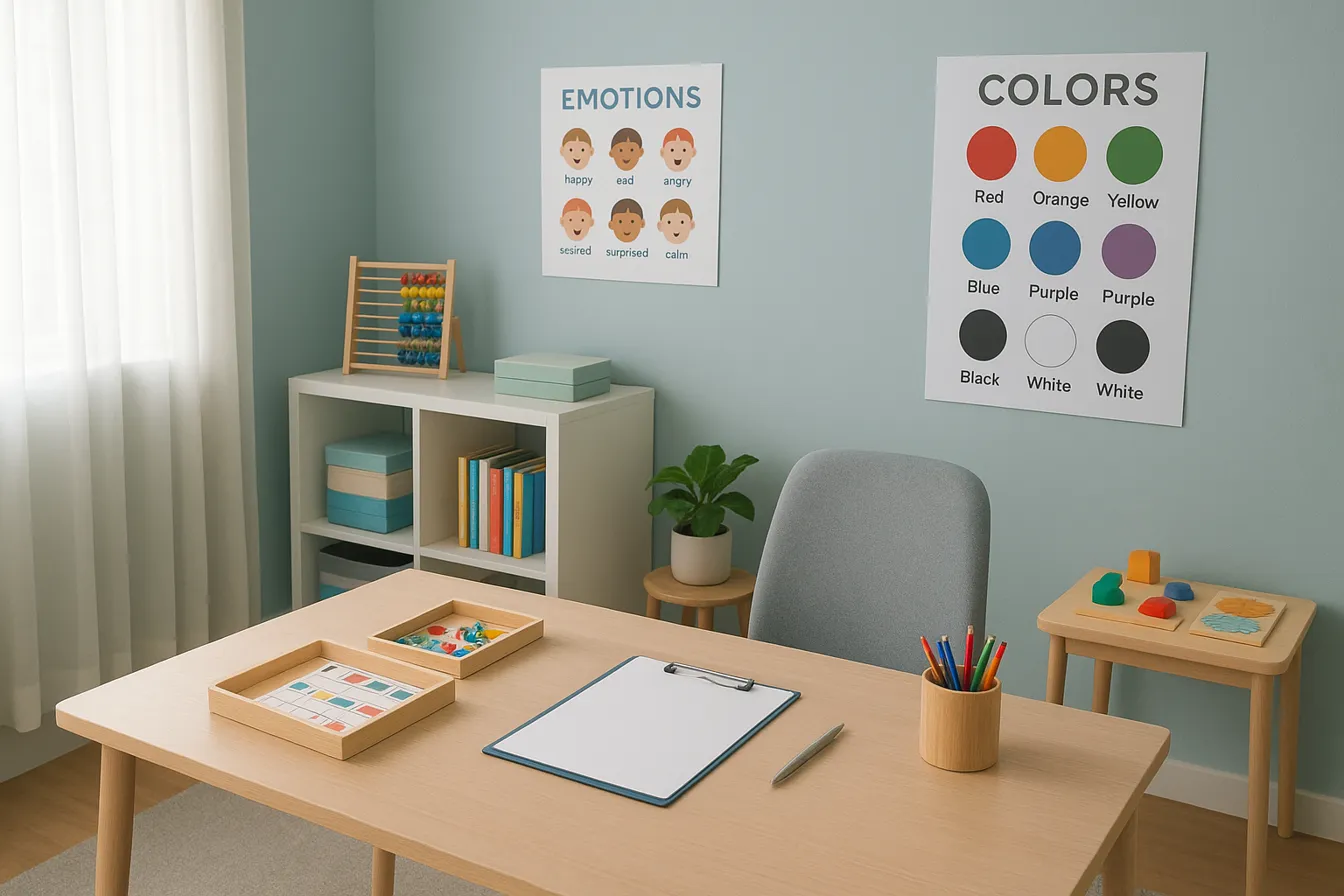
A dedicated, consistent space within the home is key for effective sessions. Families are encouraged to prepare a calm environment free from electronic distractions and noise. Using child-sized furniture and appropriate sensory or learning toys tailored to the child’s preferences helps maintain engagement. This setup supports structured learning while maintaining the benefits of a familiar and safe setting.
Benefits for generalization and maintenance of skills outside sessions
Because therapy occurs in the natural environment, skills learned during sessions readily transfer to real-life settings. Children practice communication, social, and daily living skills within their usual contexts, enhancing retention and independence. Moreover, ongoing assessment through direct observation in the home enables therapists to tailor interventions continuously, ensuring maintenance of progress over time.
Family engagement and real-time collaboration with therapists
In-home therapy encourages active participation by parents and caregivers. Families observe sessions, learn practical strategies, and receive coaching to reinforce skills throughout daily life. This collaboration strengthens family bonds and empowers caregivers to support their child’s development consistently. The presence of therapists in the home allows for immediate feedback and adjustment, promoting an integrated, family-centered ABA approach.
Empowering Families Through Compassionate, Personalized In-Home ABA Therapy
Personalized Care Tailored to Each Child
In-home ABA therapy delivers highly individualized treatment plans created by Board Certified Behavior Analysts (BCBAs). Delivered in the child's natural environment, it promotes real-world skill development in communication, social interaction, and daily living. The familiar surroundings reduce anxiety and enhance learning, supporting long-term progress and independence.
Family as Partners in the Therapeutic Journey
Parents and caregivers play a vital role in the success of in-home ABA therapy. They receive training and tools to reinforce strategies between sessions, strengthening family interactions and helping children generalize skills beyond therapy. This collaboration creates a supportive environment fostering growth and confidence.
EverCare ABA’s Commitment to Meaningful Progress
EverCare ABA exemplifies compassionate, family-centered care by providing tailored treatment plans and ongoing progress monitoring. Their experienced clinicians emphasize partnerships with families to ensure that therapy aligns with each child’s unique needs and promotes lasting improvements.
Accessible and Flexible Autism Support
In-home ABA therapy offers the convenience of scheduling flexibility and eliminates travel stress, fitting seamlessly into family routines. This accessibility empowers families seeking effective, evidence-based autism care within the comfort and safety of their homes.
By embracing personalized approaches and family collaboration, in-home ABA therapy stands as a supportive, effective solution for empowering children with autism and their families.



Ready To Begin
Get the Support Your Child Truly Deserves
Start your journey with EverCare ABA today. Our team will answer questions, verify insurance, and guide you through every step—so your child can begin thriving with the care they need.