Our Blog

Inside Center-Based ABA Therapy Programs for Children with Autism
Introduction to Center-Based ABA Therapy
What is Applied Behavior Analysis (ABA) Therapy?
Applied Behavior Analysis (ABA) is a scientifically supported therapy that focuses on understanding how behavior works, how it is influenced by the environment, and how learning occurs. ABA aims to increase positive, useful behaviors such as communication, social skills, and daily living activities, while reducing behaviors that may interfere with learning or social interaction. Tailored to each child's unique needs, ABA programs are designed and overseen by Board Certified Behavior Analysts (BCBAs) and implemented by trained therapists.
What Does Center-Based ABA Therapy Involve?
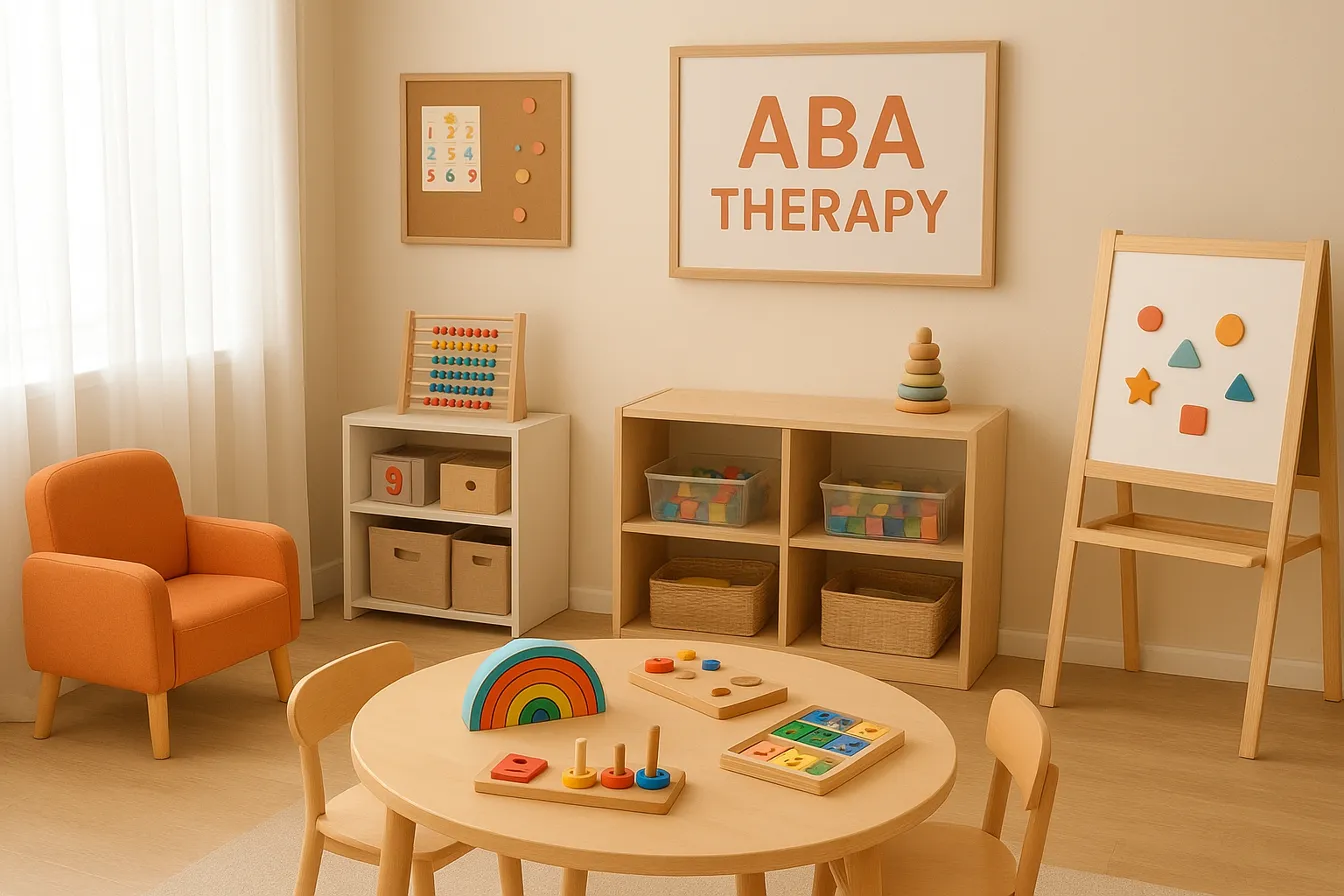
Center-based ABA therapy takes place in specialized clinical settings designed specifically for children with autism. These centers provide a structured, safe, and engaging environment filled with educational resources such as toys, sensory equipment, communication devices, and group activity spaces. Therapy sessions often include one-on-one or small group teaching, utilizing evidence-based methods like Discrete Trial Training (DTT) and Natural Environment Training (NET). This setting supports consistency, focused instruction, and opportunities to practice skills with peers.
Benefits of Center-Based ABA Therapy for Children with Autism
Children receiving center-based ABA therapy benefit from:
- A controlled and predictable environment that reduces distractions and creates a supportive learning space
- Exposure to peer interaction to develop social skills like turn-taking, sharing, and communication
- Practice of school readiness skills such as following routines and engaging in group activities, easing transitions to traditional education
- Access to a multidisciplinary team including BCBAs and therapists offering consistent, evidence-driven care
- Family involvement through regular communication and training to empower caregivers
Center-based ABA therapy is recognized as an effective early intervention option, helping children build essential skills that contribute to their independence and overall development.
Understanding Applied Behavior Analysis (ABA) Therapy in Autism Care
What is Applied Behavior Analysis (ABA) therapy and how does it help children with autism?
Applied Behavior Analysis (ABA) therapy is a scientifically validated approach developed since the 1960s that focuses on understanding how behavior is influenced by the environment. It aims to increase helpful behaviors while minimizing behaviors that interfere with learning and daily life.
Scientific foundation and goals of ABA therapy
ABA uses behavioral principles such as analyzing antecedents and consequences to uncover why a behavior occurs. It employs positive reinforcement in ABA, rewarding desired behaviors to encourage repetition. The therapy’s goals include improving communication, social interactions, attention, academic skills, and independence in daily living.
How ABA helps children with autism develop communication, social, and daily living skills
Children with autism benefit from ABA’s individualized and data-driven interventions. Programs focus on skills like expressive and receptive language, social play, self-care, and transitioning between activities. ABA also supports reducing challenging behaviors, thereby increasing engagement and learning readiness.
Role of trained professionals such as Board Certified Behavior Analysts (BCBAs) and behavior technicians
ABA programs are designed and overseen by Board Certified Behavior Analysts (BCBAs), who conduct detailed assessments and develop individualized treatment plans. Registered Behavior Technicians and therapists deliver direct services under supervision, ensuring consistent application of techniques.
Use of positive reinforcement and behavioral principles
Positive reinforcement in ABA—such as praise, toys, and tokens—motivate children to learn new skills and practice them consistently. Therapists break complex goals into manageable steps, adapting approaches based on ongoing data collection and analysis.
Through these methods, ABA therapy creates meaningful developmental progress, empowering children with autism to enhance communication, social participation, independence, and overall quality of life.
The Structure and Advantages of Center-Based ABA Therapy Programs

What Are the Characteristics of Center-Based ABA Therapy Environments?
Center-based ABA therapy is provided in dedicated clinical settings specially designed to support children with autism in a safe and structured environment. These centers feature therapy rooms equipped with specialized educational tools, sensory equipment, and communication devices. The environment is carefully organized to minimize distractions and provide consistency, which is vital for effective learning. Sessions are typically conducted one-on-one by trained therapists such as Registered Behavior Technicians (RBTs) under the supervision of Board Certified Behavior Analysts (BCBAs).
What Specialized Educational Resources and Equipment Are Available?
Children participating in center-based ABA therapy have access to a variety of educational resources not commonly available in home settings. These include:
- A wide selection of toys and reinforcers tailored to motivate and engage the child.
- Sensory tools and equipment to support regulation and learning.
- Visual aids, social stories, and technology-assisted behavior charts.
- Therapy materials that facilitate activities from play-based learning to motor skill development.
Such resources enable therapists to deliver personalized, evidence-based interventions effectively.
What Are the Benefits of Structured Routines and Peer Interactions?
Structured routines in center-based settings provide predictability and clear expectations, which can reduce anxiety and improve focus for children with autism. Regular schedules help children practice transitions, participation in group activities, and social conventions such as turn-taking and sharing.
Peer interaction is another important feature, with opportunities for children to engage with other children in small groups. These interactions promote social skills development including greetings, conversation initiation, and cooperative play, which are essential for real-world integration and school readiness .
How Do Center-Based Settings Support Skill Generalization and School Readiness?
Center-based therapy supports the generalization of skills by offering a setting that differs from the home environment, helping children apply learned behaviors in new contexts. The center's routine often mimics aspects of a school day, preparing children to transition smoothly into educational settings.
Children develop important school readiness skills such as following routines, participating in group learning, and managing social expectations. Staff continuously monitor progress using data-driven approaches to adjust plans, ensuring improvements in communication, adaptive skills, and social competence.
| Aspect | Description | Benefits |
|---|---|---|
| Environment | Structured, distraction-reduced clinical spaces | Enhanced focus and safety |
| Specialized Resources | Sensory equipment, educational toys, visual aids | Tailored, engaging learning |
| Routine and Socialization | Consistent schedules and peer group activities | Reduces anxiety, builds social skills |
| Skill Generalization | Practice in varied settings resembling school | Smooth transitions to educational settings |
| Professional Oversight | Supervision by BCBAs and trained therapists | High-quality, individualized care |
Personalization and Family Involvement in EverCare ABA Therapy

How does EverCare ABA ensure that treatment plans are personalized for each child?
EverCare ABA begins with detailed assessments led by Board Certified Behavior Analysts, who evaluate each child's strengths, challenges, and interests using standardized tools and observations. This data drives the creation of individual SMART goals tailored to the child's developmental needs and environment. Therapy involves evidence-based ABA therapy methods like positive reinforcement, natural environment teaching, and functional communication training, customized according to the child's unique learning style.
Continuous data collection and progress reviews ensure these personalized plans evolve with the child's changing needs, maintaining therapy effectiveness. Family members play an essential role, receiving training to apply strategies consistently at home, helping children generalize skills across settings.
How does family involvement enhance the effectiveness of ABA therapy for children with autism?
Family involvement in ABA is crucial for reinforcing therapy outside clinical sessions. Active participation allows caregivers to consistently practice therapeutic techniques, encouraging skill maintenance and transfer to real-life situations. Trained families can better identify behavioral triggers and support positive behaviors daily.
Including siblings and creating a structured home environment further supports behavioral improvements and fosters understanding. Family engagement not only speeds up learning but strengthens relationships and empowers parents to support their child's growth confidently.
What formats of ABA therapy does EverCare ABA offer, and how do they support family involvement?
EverCare ABA provides in-home, virtual, and center-based ABA services options tailored to family preferences and schedules. This flexibility helps integrate therapy into everyday routines, enhancing consistency and progress.
Across all settings, therapists emphasize caregiver education and communication. They supply personalized parent resources based on evidence-based ABA therapy principles, enabling families to monitor progress and participate actively in shaping the child's development. These approaches ensure therapy remains family-centered, supporting skill growth while empowering caregivers throughout the journey.
Navigating ABA Therapy: Practical Guidance and Insurance Support from EverCare ABA

What practical advice can EverCare ABA provide to parents navigating autism care and therapy options?
EverCare ABA strongly advocates for early intervention, ideally beginning between birth and two years old, as early therapy can dramatically enhance developmental outcomes for children with autism. They encourage parents to take an active role by participating in therapy sessions and maintaining open lines of communication with the clinical team. This involvement ensures that care plans remain responsive and personalized to each child’s unique progress and challenges.
Parents are also advised to seek individualized, evidence-based ABA therapy focusing on improving communication, social skills, and daily living abilities. Collaborating with qualified professionals like Board Certified Behavior Analysts (BCBAs) allows families to feel empowered and better equipped to reinforce learning at home. EverCare ABA prioritizes family education and support to enhance the therapeutic experience and help children thrive.
How does EverCare ABA assist families with insurance navigation and support?
Navigating insurance coverage can be complex, and EverCare ABA provides comprehensive assistance to reduce this burden. They guide families through understanding their insurance policies, including prominent plans such as Anthem Blue Cross Blue Shield, Aetna, and Cigna. As many states mandate insurance coverage for ABA therapy, EverCare ABA helps with pre-authorization processes, paperwork, and benefit maximization to alleviate financial stress.
For families eligible for Medicaid, EverCare ABA offers support in accessing programs like EPSDT and managed care plans including Fidelis Care and Healthfirst. This ensures broader access to essential therapy services. With dedicated insurance support, families can focus more on their children’s development and less on administrative hurdles.
Why is early intervention and ongoing communication important in ABA therapy?
Early intervention capitalizes on crucial developmental windows, increasing the likelihood of meaningful progress in communication and adaptive skills. Continuous communication between parents, therapists, and insurance coordinators fosters collaboration and allows for timely adjustments in therapy, ensuring goals stay aligned with the child’s evolving needs.
Through EverCare ABA's family-centered ABA therapy, ongoing dialogue is encouraged to empower caregivers to support learning outside the therapy setting, bridging clinical work and everyday environments.
This comprehensive approach provides families not only with effective therapy but also with the practical support needed to navigate insurance complexities and maximize the benefits of Applied Behavior Analysis (ABA).
Success Stories and Real-World Impact of Center-Based ABA Therapy
What are some success stories highlighting the benefits of EverCare ABA's evidence-based therapy services?
Many children who have participated in EverCare ABA therapy's center-based programs have made remarkable progress in key areas such as communication, socialization, and daily living skills. Through personalized treatment plans, children learn to effectively use tools like the Picture Exchange Communication System (PECS) to express their needs and wishes, dramatically improving their ability to communicate.
Targeted interventions have also led to significant reductions in challenging behaviors, including self-injurious actions. Behavior Analysts use Functional Behavior Assessments (FBAs) to develop individualized behavior intervention plans that effectively decrease these behaviors while encouraging positive alternatives.
Social skills have flourished through engaging activities such as role-playing and social stories, which help children navigate peer interactions and build friendships with greater confidence and enjoyment. Families consistently report how these improvements enrich not only the child’s development but also family dynamics and daily life.
EverCare ABA’s approach emphasizes evidence-based ABA therapy combined with family involvement in therapy, offering ongoing support and caregiver training that empower families to continue reinforcing skills outside therapy sessions. This holistic, personalized care model fosters meaningful, lasting changes and improved quality of life for children with autism.
Supporting School Readiness and Life Skills Through Center-Based ABA

How does Center-Based ABA Therapy prepare children for the school environment?
Center-Based ABA Therapy provides children with autism a structured and consistent setting that closely mirrors the routines and expectations of traditional school environments. This preparation includes practicing classroom-like activities, such as following schedules, transitioning between tasks, and participating in group settings. Children gain familiarity with predictable routines which reduce anxiety and facilitate smoother adjustment when entering school.
What opportunities are there for practicing routines, social interaction, and group activities?
Children engaging in ABA therapy in Chicago, IL benefit from numerous opportunities to develop social and practical skills. The program offers small group activities and one-on-one sessions where children learn to initiate conversations, share, take turns, and play cooperatively with peers. Such interactions promote socialization and peer relationships, helping children acquire essential school readiness skills.
How are sensory equipment, peer play, and structured tasks utilized in center-based ABA?
Centers are equipped with sensory tools, educational toys, and materials designed to engage children and support various learning styles. These resources aid in sensory regulation and provide stimulating environments for learning. Therapists use structured tasks combined with peer play to encourage communication, turn-taking, and cooperative behaviors within a safe and supportive environment, characteristic of Structured Clinical Environments in ABA.
What is the focus on communication, daily living, and adaptive skills development?
Center-Based ABA Therapy targets comprehensive developmental progress, emphasizing communication skills, self-care, and adaptive living capabilities. Children work on improving verbal and nonverbal communication, understand and follow instructions, and develop daily living skills such as dressing, eating, and toileting. These foundational competencies enhance independence and help children succeed socially and academically.
Overall, Center-Based ABA Therapy offers a well-rounded approach—combining structured learning, social engagement, and Generalization of Skills in ABA Therapy—that equips children with autism for successful integration into school and daily life.
Why Center-Based ABA Therapy is a Vital Investment for Children with Autism
Advantages and Unique Benefits of Center-Based ABA
Center-based ABA therapy provides a structured, consistent environment designed specifically to support children with autism in developing essential skills. These settings offer access to specialist resources like sensory equipment, educational toys, and multiple trained professionals including Board Certified Behavior Analysts (BCBAs) and Registered Behavior Technicians (RBTs). The controlled clinical environment reduces distractions and encourages focus, enabling effective learning.
Crucially, center programs facilitate social interaction with peers, allowing children to practice communication, sharing, and turn-taking skills in real-time. These interactions promote socialization and ease transition to school settings by helping children adapt to routines, group activities, and new environments.
Family Involvement and Personalized Care
Family participation is integral to maximizing therapy success. Parents collaborate with clinical teams through training sessions, progress updates, and guidance to reinforce learning at home. Personalized care tailored to each child’s behavior, environment, and developmental goals ensures therapy meets unique needs.
This combination of expert-led programming, individual attention, family engagement, and peer social opportunities distinguishes center-based ABA as a comprehensive and effective treatment model.
Encouraging Parents to Seek Qualified ABA Providers
Parents considering ABA therapy are encouraged to explore centers with qualified, credentialed staff offering individualized treatment plans. Seeking providers with Board Certified Behavior Analysts and a strong family support system will help ensure the highest quality care.
Early intervention is critical and center-based ABA offers a setting optimized for skill acquisition and behavior improvement. Engaging with experienced providers can open doors to sustainable developmental gains and improved quality of life for children with autism.


Ready To Begin
Get the Support Your Child Truly Deserves
Start your journey with EverCare ABA today. Our team will answer questions, verify insurance, and guide you through every step—so your child can begin thriving with the care they need.