Our Blog

Personalized ABA Therapy Plans: Incorporating Family Goals
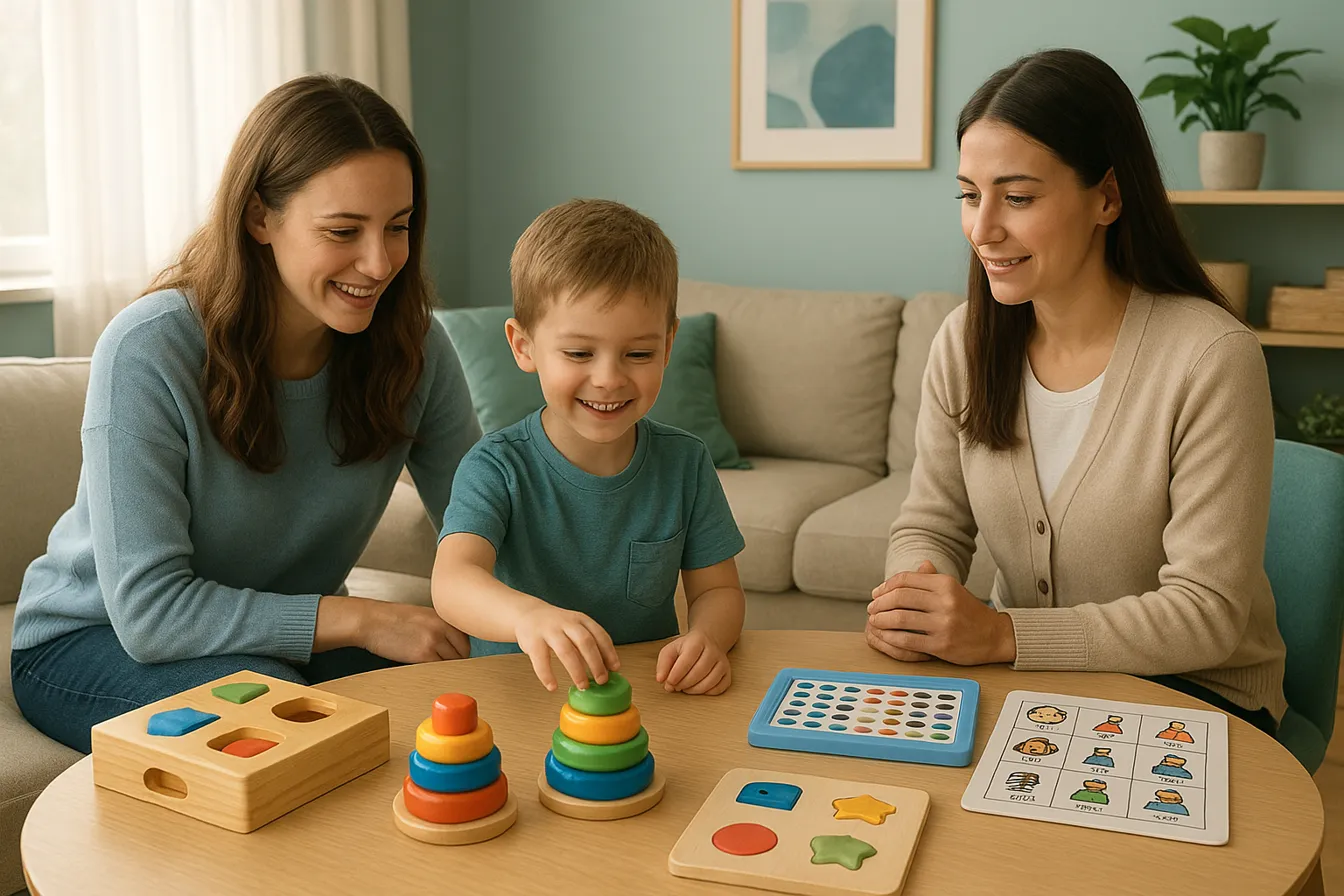
Understanding the Foundation of ABA Therapy
What is ABA Therapy?
Applied Behavior Analysis (ABA) is an evidence-based approach designed to support children with autism and related developmental conditions. Since the 1960s, ABA has been recognized and endorsed by reputable organizations like the US Surgeon General and the American Psychological Association for improving communication, social skills, and daily living abilities.
Core Techniques in ABA
ABA utilizes several proven techniques tailored to each child’s unique needs. These include Discrete Trial Training (DTT), which breaks down skills into small, manageable steps; Natural Environment Teaching (NET), which emphasizes learning through natural daily activities; and Pivotal Response Training (PRT), focusing on motivation and pivotal behaviors that affect other areas of development.
Settings for Therapy
ABA therapy is flexible and can be delivered in various settings, including the child’s home, specialized therapy centers, schools, or community environments. In-home therapy, for example, leverages natural reinforcers and familiar routines, enhancing the generalization of skills.
Assessment and Data Collection
Personalized ABA plans begin with comprehensive assessments involving observations, caregiver interviews, and functional behavior analyses. Continuous data collection during therapy sessions is vital for tracking progress. This data guides therapists to make real-time adjustments, ensuring goals are relevant, measurable, and effective.
Family’s Vital Role
Families are central to ABA therapy’s success. Involving caregivers through training and active participation allows for consistency across environments, reinforces skill generalization, and empowers parents. Collaborative goal-setting between families and therapists fosters motivation and improves long-term developmental outcomes.
This foundation of careful assessment, specialized techniques, flexible settings, and strong family involvement makes ABA a highly personalized and effective intervention for children with autism.
What Is ABA Therapy and How Does It Work?

What is Applied Behavior Analysis (ABA) therapy for autism?
Applied Behavior Analysis (ABA) therapy is a scientifically-backed intervention designed to help children with autism develop vital skills in communication, social interaction, behavior management, and daily living. It operates through principles of learning and behavior, particularly focusing on positive reinforcement to encourage desired actions and reduce unwanted behaviors.
What behavioral techniques does ABA use?
ABA therapy utilizes behavioral techniques such as:
- Positive reinforcement: Rewarding desirable behaviors to increase their frequency.
- Discrete Trial Training (DTT): Structured teaching with clear steps.
- Natural Environment Teaching (NET): Learning through everyday activities.
- Pivotal Response Training (PRT): Engaging the child's motivation in natural settings.
These methods are customized to meet each child's unique needs, aiming to build functional and independence skills. For more details on personalized ABA therapy.
How are assessments used in ABA?
ABA begins with comprehensive behavior assessments that include caregiver interviews and observations. A common framework used is ABC (Antecedent, Behavior, Consequence), which helps identify triggers and the purpose of behaviors. This data-driven approach ensures treatment plans are tailored, setting specific, measurable goals and enabling ongoing progress monitoring and plan adjustments. Learn more about initial assessments in ABA therapy and data-driven ABA therapy.
What delivery formats does ABA therapy offer?
ABA therapy is available in various settings to best suit each family’s needs:
- In-home therapy: Promotes natural learning within familiar routines. See more on home-based ABA therapy.
- Center-based therapy: Provides structured environments with peers and specialized resources. Learn about the benefits of center-based ABA therapy.
- Virtual sessions: Offers flexibility and accessibility through remote delivery.
What is the role of the family in ABA therapy?
Family involvement in ABA therapy is a cornerstone of effective ABA therapy. Caregivers participate in training to implement strategies consistently at home, support skill generalization, and collaborate regularly with therapists. This engagement strengthens family bonds, empowers parents, and greatly enhances a child's progress and long-term outcomes. For more on family goals in ABA treatment and family training in ABA therapy, explore the linked articles.
Benefits of ABA Therapy for Children with Autism
What are the benefits of ABA therapy for children with autism?
ABA therapy delivers a range of powerful benefits tailored to the unique needs of children with autism. One of its primary advantages is improving communication skills, which include vocal-verbal communication as well as alternative methods like sign language or communication devices. This progress helps reduce frustration and builds stronger relationships.
Social skills also see significant enhancement through ABA. Children learn important abilities such as peer interaction, recognizing social cues, and understanding emotions, which contribute to greater social confidence and inclusion.
Another important outcome is the development of daily living and academic skills. Through step-by-step, manageable learning, ABA helps children gain independence in self-care, hygiene, cooking, and academic tasks like problem-solving and managing transitions.
Extreme value comes from early, intensive intervention. Starting ABA therapy during critical developmental windows—ideally before age six—can result in profound improvements in language and adaptive behaviors, reducing entrenched challenging behaviors.
Family participation is a vital component of effective ABA therapy. Active involvement of caregivers ensures consistency of skill reinforcement across home, school, and community settings, which supports lasting improvements. Parents gain knowledge and confidence, fostering a supportive home environment.
Recognized by health authorities and backed by decades of research, ABA is endorsed by the US Surgeon General, the American Psychological Association, and leading medical institutions. Its scientifically validated, individualized methods emphasize positive reinforcement and data-driven adjustments to maximize each child’s success.
Through compassion, customization, and collaborative family involvement, ABA therapy empowers children with autism to build meaningful skills, achieve independence, and thrive both socially and academically.
The Family-Centered Approach: A Pillar of Successful ABA
What is the family-centered approach to autism care?
The family-centered approach to autism care is a philosophy that places the family's needs, values, and preferences at the heart of the child's treatment plan. It actively involves collaboration between healthcare providers, therapists, and family members to create personalized strategies supporting the child's development.
Philosophy of family-centered care
This approach respects that families are experts on their child's strengths and challenges. It emphasizes empowering caregivers through education, ongoing training, and open communication, making treatment more consistent and meaningful with family training and collaboration.
Collaborative goal-setting with families
Setting goals together ensures that treatment aligns with both the child’s needs and the family’s priorities. Incorporating family input increases motivation and engagement, promoting better generalization of skills across home and community environments through goal setting with families.
Respecting family routines, values, and preferences
Therapists tailor interventions around family schedules and cultural practices, ensuring that therapy seamlessly integrates into daily life. This approach helps reduce stress and supports skill retention by embedding learning in familiar contexts with structured routines at home and family-centered ABA care.
Strengthening family bonds and overall dynamics
Family involvement fosters supportive relationships, improving communication and shared understanding among members. ABA therapy techniques taught to caregivers empower families to handle behaviors positively, creating a more harmonious home atmosphere through collaboration in family goals.
Integration of family goals into treatment plans
Personalized ABA treatment plans incorporate family goals focusing on functional skills, independence, and daily living abilities. This integration ensures therapy benefits extend beyond clinical settings, enhancing long-term quality of life for the child and family alike.
Collaborative Goal-Setting: Aligning Therapy With Family Priorities

How does involving families in goal-setting benefit ABA therapy?
Involving families in family goals in ABA treatment is essential to creating an ABA therapy plan that truly fits a child's life and needs. When family members collaborate with therapists, goals are designed to reflect daily routines, values, and environments familiar to the child. This alignment ensures therapy strategies are relevant and easier to implement at home.
Why is family involvement important for motivation and engagement?
When families actively participate in setting goals, they develop a stronger connection to the therapy process. This engagement motivates caregivers to consistently apply Family involvement in ABA therapy and reinforces children's learning in natural settings. Feeling involved helps families remain committed and optimistic, which boosts the child’s confidence and progress.
How does this collaboration improve consistency and skill generalization?
Therapy goals that integrate family input ensure that newly learned skills extend beyond therapy sessions into everyday life. Consistency across home, school, and community settings helps children generalize behaviors, making improvements more durable and meaningful. Families trained in ABA techniques become confident coaches who support skill reinforcement throughout daily routines.
What role do BCBAs play in working with families to customize goals?
Role of Board Certified Behavior Analysts lead the assessment and treatment planning by gathering comprehensive information from caregivers. Together, they develop SMART goals for behavior—specific, measurable, achievable, relevant, and time-bound—that address the child’s unique strengths and challenges. This partnership helps tailor interventions, making therapy more effective and attuned to family preferences.
Collaborative goal-setting forms the foundation of personalized, effective Applied Behavior Analysis (ABA). It empowers families, enhances consistency, and fosters meaningful developmental gains by centering therapy within each child's natural life context.
Crafting Effective ABA Training Goals: A Guide for Parents
How can parents effectively write ABA training goals?
Parents play an important role in developing effective family goals in ABA treatment for their child. A widely recommended approach is to use the SMART goals for behavior framework. This means goals should be:
- Specific: Clearly define the skill or behavior to be developed or reduced.
- Measurable: Establish how progress will be tracked, such as by counting responses or observing behaviors.
- Achievable: Set realistic objectives that fit the child's current abilities.
- Relevant: Ensure goals align with the child’s needs and parent and family priorities.
- Time-bound: Include a time frame for achieving the goal to maintain focus.
Involving a Role of Board Certified Behavior Analysts is essential. BCBAs customize objectives based on thorough ABA treatment plan assessments, Family input in ABA treatment, and Data-driven ABA therapy. Collaborative goal setting with families with therapists and Registered Behavior Technicians (RBTs) ensures that goals remain meaningful and adaptive to the child's evolving development.
Parents are encouraged to learn and apply techniques like Positive Reinforcement in ABA, and Discrete trial training (DTT) within the home environment. Breaking down skills into small steps simplifies learning and helps achieve mastery. Visual supports in ABA therapy, such as picture cards and video modeling, along with environmental modifications, promote skill generalization across settings, reducing frustration and increasing success.
Regular review of Behavioral data collection allows for thoughtful adjustments, keeping goals relevant and effective. Participation in Parent training in ABA equips families to implement strategies confidently and consistently, fostering motivation and strong Family involvement in ABA therapy. This tailored, dynamic process ultimately leads to meaningful improvements in communication, social skills, and daily living abilities for children receiving Applied Behavior Analysis (ABA).
Understanding Individualized Treatment Plans in ABA Therapy

What is an individualized treatment plan in ABA therapy?
An individualized treatment plan in ABA therapy is a personalized, comprehensive strategy designed specifically for each child. It is crafted after thorough assessments, including Functional behavior assessments (FBAs) and caregiver interviews and observations, to understand the child's unique behaviors, strengths, challenges, and developmental history.
How are personalized, data-driven treatment plans developed?
The information gathered during assessments guides the development of a customized ABA interventions with clear, measurable SMART goals in therapy . These goals target essential areas such as communication, social skills, behavior management, and daily living skills. Ongoing data collection in therapy is central to this process, providing real-time insights that allow therapists to adapt interventions promptly and effectively.
What evidence-based techniques are incorporated?
Core ABA techniques like Discerete Trial Training in ABA, Natural Environment Teaching, and Pivotal Response Training form the foundation of therapy. These approaches are carefully selected and tailored to fit the child's learning style, motivation, and needs, ensuring maximal engagement and progress.
What role does family input and training play?
Family involvement in ABA therapy is vital in developing and implementing the treatment plan. Families provide crucial insights during assessments and are trained to support therapy strategies at home, promoting consistency and skill generalization across daily routines and environments. Regular collaboration between therapists and caregivers reinforces progress and empowers families.
How are plans monitored and adjusted based on progress?
Therapists continuously collect and analyze data throughout the therapy journey, which drives regular reviews and adjustments of goals and strategies. This dynamic approach ensures that interventions remain effective and aligned with the child's evolving developmental needs, leading to sustainable, meaningful improvements.
Behavior Intervention Plans: Structured Approaches to Challenging Behaviors

Defining and analyzing target behaviors
A Behavior Intervention Plan (BIP) starts by clearly identifying and defining the specific challenging behavior to be addressed. This precise definition helps ensure everyone involved understands exactly what behavior is targeted. Initial assessments in ABA therapy typically involve Direct observations in ABA and Caregiver interviews and observations to gather in-depth information about the child’s behavior patterns and developmental history.
Understanding behavior functions through Functional Behavior Assessments
A key component of BIP development is conducting a Functional behavior assessments (FBAs). This process uncovers the function or reason behind a behavior—whether it serves to gain attention, avoid a task, obtain tangible rewards, or fulfill sensory needs. Understanding these functions allows therapists to tailor interventions more effectively.
Developing tailored interventions to reduce problematic behavior
Based on FBA findings, the BIP includes precise, individualized strategies to reduce problematic behaviors. These can range from antecedent modifications to prevent triggers, to Positive reinforcement strategies. Interventions rely on Evidence-based ABA therapy, such as positive reinforcement, that align with the child’s unique motivations and learning style.
Strategies for teaching replacement skills and generalization
The plan also emphasizes teaching replacement skills—functional alternatives that fulfill the same needs as the problematic behavior. For example, teaching communication skills to replace challenging behaviors driven by frustration. Furthermore, Generalizing skills across settings ensure these new skills transfer across environments like home, school, and community settings.
Collaborative monitoring and family involvement in BIP implementation
Family involvement in ABA therapy is vital throughout the BIP process. Caregivers receive Parent training in ABA to implement strategies consistently at home and provide ongoing data to therapists. Ongoing data collection in therapy during therapy sessions allows the team to monitor progress, make real-time adjustments, and maintain a supportive, family-centered goals focused on the child’s long-term success.
Enhancing Communication and Social Skills Through ABA Therapy

How does ABA therapy support children in developing communication and social skills?
Applied Behavior Analysis (ABA) employs structured social activities tailored to each child's needs, with active family involvement in ABA therapy that reinforces learning beyond therapy sessions. Group-based interactions such as circle time, music and art programs, and shared meals create natural opportunities for children to practice social skills, cooperative play, and turn-taking.
Therapists, overseen by Board Certified Behavior Analysts (BCBAs), design individual programs that emphasize foundational skills including joint attention, self-regulation, social language comprehension, and classroom behavior. This scaffolding helps children build meaningful social connections progressively toward greater independence.
Techniques to build joint attention and self-regulation
Targeted teaching strategies such as discrete trial training (DTT) and natural environment teaching (NET) are integral in developing joint attention—where children learn to share focus on objects or events—and self-regulation skills, helping children manage emotions and behaviors effectively.
Integration of speech and occupational therapy supports
Applied Behavior Analysis (ABA) often integrates complementary services like speech therapy to enhance verbal and nonverbal communication, and occupational therapy to develop fine motor skills and sensory processing, ensuring a comprehensive developmental approach.
Regular progress monitoring and goal updates
Ongoing data collection in therapy and assessments allow therapists and families to track improvements and adjust goals, ensuring the therapy remains responsive to the child's evolving abilities and needs.
Promoting independence and quality of life
The comprehensive, personalized ABA therapy focus on functional communication, social participation, and daily living skills. This holistic approach supports children's long-term independence and quality of life by fostering confidence, social competence, and meaningful engagement in home and community environments.
The Integral Role of Family in Personalized ABA Therapy
The Integral Role of Family in Personalized ABA Therapy
Family collaboration is at the heart of effective ABA therapy, enhancing consistency and reinforcing skills across home and community environments. When families actively participate, they provide invaluable insights into daily routines and help generalize skills, ensuring therapy extends beyond clinical settings.
Empowerment through training is a cornerstone of this approach. Caregivers receive ongoing education, coaching, and demonstrations to confidently apply ABA strategies in everyday life. This involvement not only boosts the child's skill development but also increases parental confidence and reduces stress.
Long-term, family-centered ABA therapy fosters sustained improvements in communication, social skills, and independence. The combination of personalized treatment plans with family engagement strengthens family bonds and builds a supportive, loving environment that promotes the child’s growth.
This commitment to individualized, compassionate care ensures every child’s unique needs and family goals shape their therapy journey, leading to meaningful, lasting outcomes that improve quality of life for the whole family.



Ready To Begin
Get the Support Your Child Truly Deserves
Start your journey with EverCare ABA today. Our team will answer questions, verify insurance, and guide you through every step—so your child can begin thriving with the care they need.