Our Blog

Personalized Approaches to Managing Aggressive Behaviors in ABA
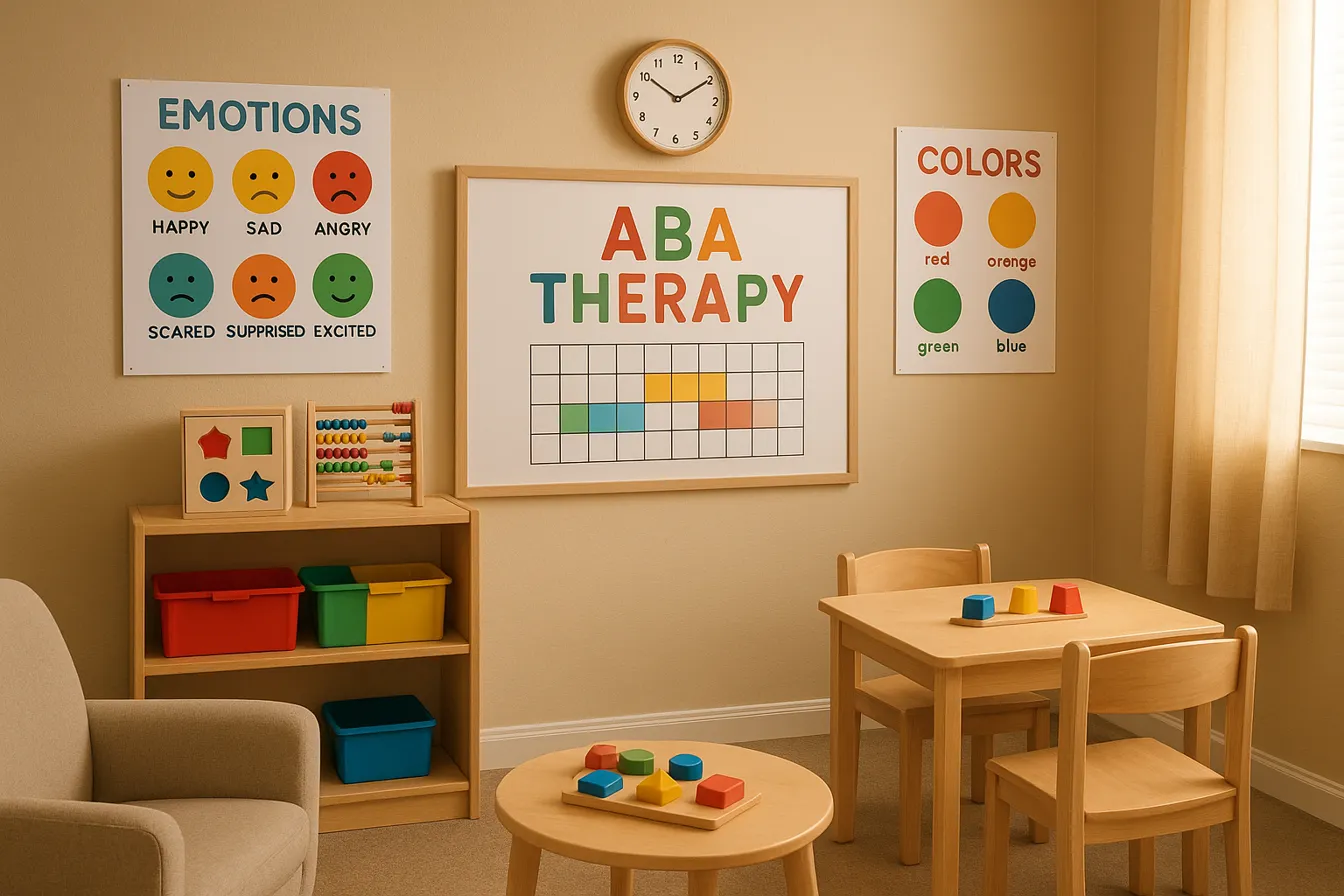
Understanding ABA Therapy and Its Benefits for Children with Autism
What is ABA Therapy?
Applied Behavior Analysis (ABA) therapy is a scientifically grounded intervention focused on improving social, communication, and daily living skills in children with autism. At its core, ABA uses methods like positive reinforcement to encourage desirable behaviors and reduce challenging ones such as aggression.
How ABA Benefits Children with Autism
ABA uniquely supports children by identifying the specific reasons behind challenging behaviors through assessments called Functional Behavior Assessments (FBAs). These assessments help tailor interventions that teach alternative ways to communicate needs, manage emotions, and build essential social skills. By replacing frustration and aggression with effective communication and coping strategies, children develop greater independence and engagement.
Individualized and Evidence-Based Approach
Each child’s therapy is personalized, emphasizing evidence-based strategies delivered by qualified professionals trained in this methodology. Interventions often include visual supports, structured routines, caregiver involvement, and environmental adjustments. This individualized approach not only ensures ethical and effective treatment but also maximizes meaningful progress and quality of life.
By combining a person-centered focus with data-driven methods, ABA therapy offers children with autism a supportive path toward improved communication, behavior management, and social participation.
Personalizing Treatment Plans to Address Aggressive Behaviors
How does EverCare ABA tailor treatment plans to meet individual needs?
EverCare ABA creates personalized treatment plans through a thorough and comprehensive assessment process. This process begins with Functional Behavior Assessments (FBAs) in ABA Therapy that help identify the specific triggers and functions behind aggressive behaviors in each child. These assessments are enriched by direct observations and vital input from families, ensuring that plans reflect the child's unique strengths, challenges, and family priorities.
Board Certified Behavior Analysts (BCBAs) at EverCare ABA take the lead in developing treatment plans tailored to each child. They use evidence-based strategies like discrete trial training and natural environment teaching, carefully adapted to the individual’s learning style and preferences. These methods emphasize skill-building and meaningful, achievable goals to improve communication, social interaction, and self-regulation.
The treatment plans are data-driven and flexible, incorporating continuous data collection to track progress and efficacy. This allows for ongoing adjustments that respond to the child’s evolving needs, ensuring interventions remain effective as the child grows.
Family involvement is central to EverCare’s approach. Parents and caregivers receive training to consistently implement strategies at home and in community settings, reinforcing positive behaviors and promoting generalization. This collaborative, individualized model supports long-term success in reducing aggression and enhancing quality of life for children with autism.
Varied Therapy Delivery Options to Support Individual Needs

What are the different therapy delivery options offered by EverCare ABA?
EverCare ABA recognizes that every child’s needs are unique, offering flexible therapy delivery options to best support children with autism and their families.
[In-home ABA therapy] is provided by trained therapists who work within the child’s natural environment. This method facilitates observing behaviors as they naturally occur, enables caregivers to participate directly in therapy, and helps tailor interventions that fit daily routines. It fosters skill generalization, making progress more relevant and sustainable for everyday life.
Center-based ABA programs take place in specialized facilities designed to provide structured learning experiences and opportunities for social interaction. These environments offer consistency, peer engagement, and focused interventions, which can enhance skill development in social and communication domains.
[Virtual or telehealth ABA services] offer families the convenience and accessibility of remote therapy sessions led by licensed professionals. This option provides flexibility for families with scheduling or transportation challenges, maintaining continuity of care without compromising the quality of interventions.
Each of these delivery methods supports aggressive behavior management by integrating functional behavior assessments], positive reinforcement], [replacement behavior teaching], and environmental modifications]. The choice of setting depends on the child’s needs and family preferences, ensuring personalized and effective ABA therapy. Caregiver involvement] is central across all formats, promoting consistency and reinforcing progress in natural contexts.
By offering diverse therapy settings, EverCare ABA empowers families to access tailored and accessible care that addresses aggression while fostering communication, emotional regulation, and social skills development.
Understanding the Triggers and Functions of Aggression through Functional Behavior Assessments
What is a Functional Behavior Assessment (FBA)?
A Functional Behavior Assessment (FBA) is a detailed process used by ABA therapists to identify why a child with autism exhibits aggressive behaviors. By observing and analyzing behavior within the child's natural environment, professionals pinpoint the specific triggers and functions of aggression. This understanding is essential for designing personalized interventions that target the root causes rather than just the symptoms.
Common Triggers of Aggression
Aggressive behaviors often arise due to challenges such as sensory overload, communication difficulties, and problems with emotional regulation. For example, sensory processing issues may cause overstimulation, leading to frustration and aggression. Communication barriers can make it hard for children to express their needs, resulting in aggressive outbursts. Emotional regulation difficulties mean a child may struggle to manage feelings like anger or anxiety, which can manifest as aggression.
How Identifying the Function of Aggression Helps
Determining the function behind aggression—whether it is to gain attention, avoid demands, communicate discomfort, or fulfill sensory needs—is crucial for effective treatment. Once the function is known, ABA therapists can craft targeted strategies such as teaching alternative communication methods or modifying the environment to reduce triggers, improving the child's ability to cope and reducing aggressive incidents.
Medical Issues and Aggression
Sometimes, underlying medical concerns like sleep disturbances, pain, or gastrointestinal problems contribute to aggressive behavior. By recognizing and addressing these health factors alongside behavioral interventions, caregivers and professionals can better support the child's wellbeing and minimize aggression.
By thoroughly understanding what drives aggressive behaviors, Functional Behavior Assessments form the cornerstone of successful ABA treatment plans that respect the child's individual needs and promote positive change.
Effective ABA Interventions for Managing Aggressive Behaviors
Positive reinforcement and differential reinforcement techniques
Applied Behavior Analysis (ABA) therapy emphasizes encouraging desirable behaviors through positive reinforcement, which involves rewarding preferred responses to increase their occurrence. This strategy includes praise, token systems, and access to privileges. Differential reinforcement further refines this approach by reinforcing positive behaviors while withholding rewards for aggressive behaviors, effectively reducing aggression.
Teaching functional communication as a replacement behavior
A crucial component of ABA interventions is teaching children to express their needs and emotions through alternative communication methods. Functional Communication Training (FCT) helps replace aggressive behaviors with more appropriate responses such as using words, signs, gestures, or picture exchange systems. This reduces frustration by providing effective outlets for communication.
Environmental modifications to reduce triggers (visual supports, structured routines)
ABA employs environmental modifications to minimize triggers that can provoke aggression. Structured routines and predictable schedules create a calming, organized atmosphere. Visual supports like schedules, timers, and pictorial cues assist children in understanding and navigating daily activities, reducing anxiety and aggression.
Calming and emotional regulation strategies
ABA incorporates teaching self-regulation tools including calming techniques like deep breathing, counting, and guided visualization. These help children recognize and manage their emotions, leading to a decrease in aggressive outbursts and improved emotional control.
Use of redirection and task analysis to prevent frustration
Redirection techniques focus on calmly guiding a child away from aggressive behavior toward a neutral or positive activity. Task analysis breaks down complex tasks into smaller, manageable steps, reducing frustration and preventing aggression by making activities more accessible.
These evidence-based ABA strategies are tailored to each child's needs and delivered with the involvement of caregivers to ensure consistency across settings, resulting in significant reductions in aggression and improved social and communication skills.
The Critical Role of Family Involvement in ABA Therapy

Why is family involvement important in ABA therapy, and how does EverCare ABA support families?
Family involvement is essential in Applied Behavior Analysis for Aggression Management (ABA) therapy for children with autism because it ensures consistency and helps generalize new skills beyond the therapy sessions into everyday life. When caregivers actively participate, the child receives reinforcement and practice in familiar settings, which reinforces learning and supports lasting behavior change.
EverCare ABA emphasizes family-centered care by providing parents and caregivers with comprehensive training and education. This training equips families with practical ABA strategies, such as using positive reinforcement and visual supports during daily routines. Caregivers are empowered to confidently implement these techniques, making the intervention more relevant and sustainable.
Emotional and practical support for families is also a crucial component. Regular communication with therapists allows caregivers to share feedback and receive guidance tailored to their child's evolving needs. This collaboration reduces caregiver stress, builds confidence, and strengthens the therapeutic alliance.
Examples of family involvement improving outcomes include parents reinforcing communication skills during meals, using visual schedules to reduce tantrums, and applying calming techniques learned from therapists when their child feels overwhelmed. Such consistent, home-based interventions significantly accelerate progress and enhance quality of life.
Ultimately, by integrating families in the therapy process, EverCare ABA provides personalized support that respects each child’s unique environment and needs, fostering meaningful and long-lasting developmental gains.
Coordinating Comprehensive Care to Address Communication, Behavior, and Daily Living Skills
How does EverCare ABA coordinate care to support communication, behavior, social skills, and daily living development?
EverCare ABA excels at coordinating care by fostering close collaboration among families, therapists, and healthcare professionals. This team-based approach allows for the creation of individualized treatment plans tailored specifically to each child's communication, behavior, social, and daily living skill needs.
Their interdisciplinary model integrates ABA therapy for aggression with medical care, ensuring all specialists—including primary care providers—are aligned. Embedding behavioral health services within the medical home promotes cohesive communication, monitoring, and follow-up so that therapy strategies are consistent and effective across different environments.
Continuous monitoring allows the care team to track progress and dynamically adjust intervention plans to reflect the child’s evolving needs. This responsiveness helps maximize outcomes by addressing challenges early and refining approaches.
Additionally, EverCare ABA works closely with educational institutions and other support services to provide seamless coordination. This connection helps integrate therapies within school settings and community programs, enriching the child’s overall development and reinforcement of skills.
By prioritizing family involvement and reducing common barriers such as transportation or caregiver overwhelm, EverCare ABA ensures greater adherence to therapy schedules and interventions. Their compassionate, family-centered model empowers parents with training and resources to reinforce learning at home, supporting sustained behavioral improvements through caregiver training in ABA.
Overall, EverCare ABA’s comprehensive, person-centered coordination fosters an environment where children with autism receive holistic support that improves communication, behavior, and independence.
Combining ABA and Medication for Severe Aggressive Behaviors
FDA-Approved Medications for Irritability and Aggression
Certain medications, such as risperidone and aripiprazole, have been FDA-approved specifically for managing irritability and aggressive behaviors associated with autism spectrum disorder (ASD). These antipsychotic drugs can help reduce severe outbursts and self-injurious behaviors when used under medical supervision.
Integrating Pharmacological Treatments with Behavioral Interventions
While Applied Behavior Analysis (ABA) focuses on shaping positive behaviors through reinforcement and skill-building, combining ABA with medication offers a comprehensive approach. The behavioral strategies address underlying communication and emotional regulation challenges, while medication can help control the intensity of aggressive episodes, especially when behaviors are resistant to therapy alone.
Monitoring for Side Effects and Medical Supervision
Because medications like risperidone and aripiprazole carry potential side effects—such as weight gain and extrapyramidal symptoms—it is essential that a qualified healthcare professional oversee their use. Regular medical monitoring ensures the benefits outweigh any risks and the treatment plan remains safe and effective.
Holistic Approaches for Complex and Severe Aggression
For cases of severe aggression, treatment often involves a multidisciplinary strategy. This includes careful Functional Behavior Assessments in ABA, individualized ABA therapy for aggressive behaviors, medication management, family education, and addressing other medical concerns (e.g., sleep disturbances or sensory sensitivities). Such integrated care helps optimize outcomes, improve quality of life, and empower children to develop healthier coping skills.
Creating Structured and Predictable Environments to Prevent Aggression

How do visual supports like schedules and timers help reduce aggression?
Visual supports such as schedules, timers, and pictorial cues play a crucial role in creating predictability for children with autism. These tools help children understand their daily routines and upcoming transitions, which reduces anxiety and frustration that often trigger aggressive behaviors. For example, Visual supports for aggression reduction make abstract concepts of time concrete and clear, while timers can prepare a child for changes by indicating how long an activity will last. These supports empower children to anticipate what comes next, fostering calmness and cooperation.
Why is establishing consistent daily routines important?
Consistent routines reduce uncertainty and provide structure, which significantly lowers the chances of aggressive outbursts. Predictable routines help children feel safe and secure, as they know what to expect throughout their day. Structured activities anchored at the same time and sequence minimize confusion and sensory overload, common triggers in children with autism. Routine also supports the development of adaptive skills by reinforcing positive behaviors regularly. Structured routines to reduce aggression are a key element in managing behavior effectively.
How do calming spaces and sensory considerations support behavior management?
Designing calming spaces tailored to sensory needs offers children a place to self-regulate and decompress when overwhelmed. These spaces are equipped with sensory tools or calming items, such as soft lighting, noise reduction, or textured objects, to soothe sensory sensitivities. Sensory considerations include modifying the environment to reduce overstimulation—like minimizing loud noises and bright lights—and incorporating sensory breaks within routines. Such sensory considerations in behavior management help prevent sensory triggers that can escalate into aggression.
What is the role of environmental modifications in managing aggression?
Environmental modifications in ABA therapy reduce triggers by adapting surroundings to the child’s unique sensory and behavioral needs. These may include organizing the physical space to limit distractions, using clear signage or labels for tasks, and arranging furniture to provide safe personal space. Modifications also involve proactive changes such as offering choices to increase a child's sense of control or adjusting demands to suit their abilities. These strategies collectively contribute to a more supportive and calming atmosphere, reducing the frequency and intensity of aggressive behaviors.
What practical advice does EverCare ABA provide to parents navigating autism care?
EverCare ABA emphasizes the importance of creating structured and predictable environments by using visual supports like first/then cards and timers to ease transitions and reduce tantrums. They advise reinforcing positive behaviors through specific praise and rewards, alongside maintaining a calm, patient approach for de-escalating challenging situations. Parents are encouraged to involve their family in therapy, access early intervention and school-based services, and build supportive networks. Family involvement and caregiver training in ABA foster a nurturing atmosphere that benefits both children and caregivers.
| Strategy | Purpose | Practical Example |
|---|---|---|
| Visual Supports | Enhance understanding of routines | Using daily schedules and timers |
| Consistent Routines | Reduce anxiety and unpredictability | Fixed meal and playtimes |
| Calming Spaces & Sensory Care | Provide safe self-regulation zones | Quiet room with soft lighting |
| Environmental Modifications | Minimize triggers and distractions | Organizing furniture for personal space |
| Family Involvement | Ensure consistency across settings | Training parents in reinforcement methods |
Supporting Parents Through Insurance Guidance and Resources
Navigating insurance benefits for ABA therapy
Accessing Applied Behavior Analysis therapy can be challenging due to complex insurance processes. Families often face obstacles understanding what services are covered, how to obtain pre-authorizations, and how claims are processed. Support programs like EverCare ABA provide personalized assistance, clarifying insurance benefits and helping families make informed decisions about coverage options for their child’s therapy.
Assistance with verification, pre-authorizations, and claims
EverCare ABA guides families through essential administrative steps, including insurance verification and the often complicated pre-authorization procedures necessary for ABA therapy for aggressive behaviors. Their experienced team manages paperwork and communicates with insurance providers to ensure claims are accurately submitted, allowing consistent access to needed care. They also assist with appealing insurance denials to protect families' rights to coverage.
Support with Medicaid and private insurance plans
Families benefit from EverCare ABA’s expertise across a range of plans. They help identify coverage under Medicaid as well as private insurance providers such as Blue Cross Blue Shield, Aetna, and UnitedHealthcare. This inclusive approach helps families understand their benefits regardless of their plan type, ensuring access to quality ABA therapy for aggressive behaviors with reduced coverage confusion.
Reducing financial stress to facilitate access to care
By guiding families through insurance complexities and assisting in claim advocacy, programs like EverCare ABA significantly ease the financial burden often associated with ABA therapy. This support empowers parents to focus on their child’s development, improving access to effective, evidence-based treatments that enhance social, communication, and daily living skills through Applied Behavior Analysis for Aggression Management.
| Aspect | Description | Benefits for Families |
|---|---|---|
| Insurance Verification | Clarifying coverage and benefits | Avoid surprises, maximize benefit use |
| Pre-Authorization Support | Managing approvals before treatment | Faster access to therapy, smoother care initiation |
| Claims Assistance | Submitting and following up on insurance claims | Reduce denials, ensure timely reimbursements |
| Medicaid and Private Plans | Navigating various insurance types | Access to care across diverse insurance landscapes |
| Financial Stress Reduction | Advocating and guiding through complex insurance processes | Peace of mind, focus on child’s therapy and progress |
Success Stories: Positive Outcomes of Individualized ABA Care at EverCare ABA
What successes have children achieved through EverCare ABA's compassionate and individualized care?
Children who participate in EverCare ABA's compassionate and individualized care often experience remarkable improvements across several important areas. A major success is the significant advancement in communication. Many children develop a larger vocabulary and gain confidence in using language to request needs and engage socially, which drastically reduces frustration-based behaviors.
Aggressive and self-injurious behaviors decrease notably under EverCare's tailored interventions. By carefully identifying triggers through methods like Functional Behavior Assessments (FBAs) in ABA Therapy, therapists design personalized strategies that replace negative behaviors with positive, functional skills.
Social engagement flourishes as children learn through role-playing and social stories, which help them connect with peers more meaningfully and build friendships. Increased emotional regulation and coping skills enable children to manage stress and emotions more effectively.
Family involvement is essential to sustaining these gains. EverCare ABA actively trains and guides parents, empowering them to reinforce positive behaviors and maintain consistency at home. This collaboration fosters greater independence and success in daily living skills for the child, improving overall quality of life.
Together, these outcomes highlight the profound, life-enhancing impact of individualized ABA therapy delivered with compassion and expertise at EverCare ABA.
Embracing a Personalized, Compassionate Approach to Managing Aggression with ABA
Understanding and Reducing Aggression with ABA
Applied Behavior Analysis (ABA) therapy offers a scientifically validated and compassionate approach to managing aggression in children with autism. By using Functional Behavior Assessments (FBAs), ABA identifies the unique triggers and reasons behind aggressive behaviors—whether related to communication challenges, sensory sensitivities, or emotional regulation difficulties. This foundational understanding guides personalized intervention plans designed to teach alternative communication methods, reinforce positive behaviors, and modify environments to lessen triggers.
Tailored Interventions and Family Partnerships
ABA’s effectiveness is deeply rooted in individualized treatment and the active involvement of families. Programs that incorporate in-home therapy allow caregivers to participate fully, fostering consistency and smoother generalization of skills across daily routines. Emphasizing positive reinforcement, skill-building exercises, visual supports, and calming techniques, ABA therapy adapts to each child’s evolving needs. Empowering families with tools and training ensures they confidently support their child’s progress, creating nurturing and stable environments critical to reducing aggression.
Looking Ahead with Comprehensive Care
With professionally certified practitioners overseeing evidence-based ABA interventions, children benefit from ethical, respectful, and person-centered care. Integrating behavioral strategies with medical considerations when necessary, comprehensive programs like EverCare ABA focus on holistic wellbeing—improving social skills, communication, independence, and emotional regulation. These advances offer hopeful futures where children with autism experience reduced aggression and enhanced quality of life, supported by compassionate, personalized care teams.



Ready To Begin
Get the Support Your Child Truly Deserves
Start your journey with EverCare ABA today. Our team will answer questions, verify insurance, and guide you through every step—so your child can begin thriving with the care they need.