Our Blog

Personalizing Therapy Plans to Address Unique Behavioral Needs
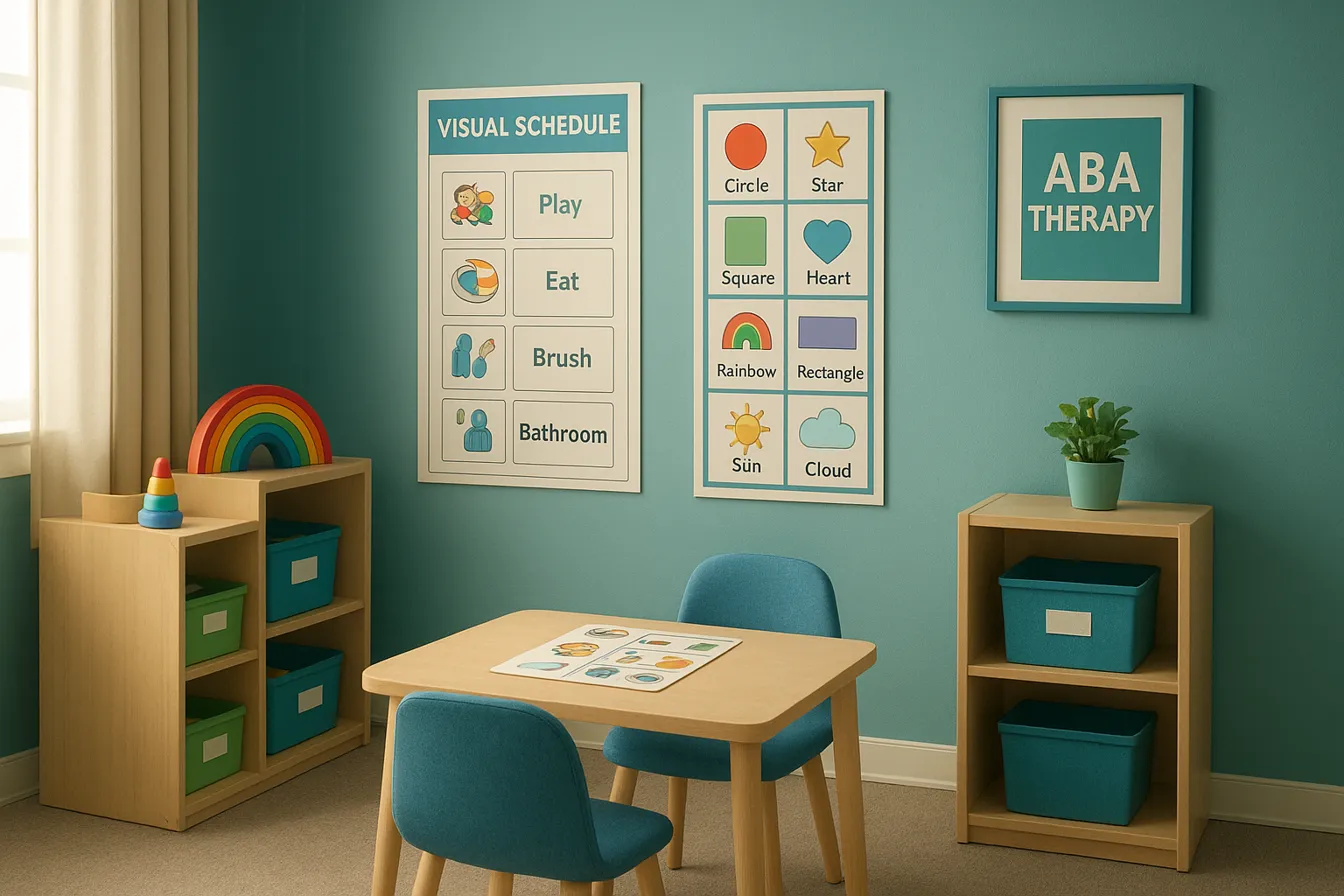
Understanding the Essence of Personalized ABA Therapy
Definition of Personalized Therapy in ABA
Personalized ABA therapy is a customized approach to Applied Behavior Analysis that focuses on tailoring treatment plans specifically to the unique needs, strengths, and challenges of each child diagnosed with autism spectrum disorder (ASD). It utilizes foundational ABA principles such as reinforcement, prompting, and shaping, but adapts these techniques based on individual developmental levels, interests, and behavior profiles.
Importance of Individualization to Enhance Engagement and Outcomes
Individualizing therapy is crucial because it increases a child's motivation and engagement by aligning interventions with their preferences and learning styles. Customized plans help target meaningful and relevant goals, such as improving communication and social skills, which leads to more effective skill acquisition and behavior management. Moreover, personalized ABA therapy supports generalization of skills across different environments, ultimately fostering greater independence and better long-term developmental outcomes.
Role of Assessments and Family Input in Personalizing Plans
Comprehensive assessments like Functional Behavior Assessments (FBA) are essential to understand the specific functions of behaviors and developmental needs. These assessments, combined with family input, guide the development of SMART goals and intervention strategies tailored for the child. Family involvement is vital in ensuring consistency and generalization of skills across home and community settings, as caregivers receive training to support therapy objectives and reinforce progress between sessions.
Core Characteristics of Behavioral Therapies and Their Role in Autism Treatment

What are some unique characteristics common to all behavioral therapies?
Behavioral therapies, including Applied Behavior Analysis (ABA), share foundational traits that define their effectiveness in autism treatment. These approaches primarily focus on observable behaviors rather than internal thoughts or emotions, making them action-oriented and practical.
Key features include the use of positive reinforcement in ABA strategies that reward desirable behaviors, encouraging their recurrence, and systematically reducing problematic behaviors. This reinforcement is tailored uniquely to each child's preferences and motivators, enhancing engagement and learning.
These therapies are highly individualized, with intervention plans crafted to meet each child's specific needs, strengths, and challenges. This personalization relies heavily on systematic data collection in ABA therapy and continuous monitoring, allowing therapists to analyze progress and adjust strategies accordingly for optimal outcomes.
ABA stands out among behavioral therapies due to its firm scientific foundation and structured methodologies, such as discrete trial training and natural environment teaching. It follows professional standards regulated by credentialing organizations like the Behavior Analyst Certification Board (BACB). This ensures that practitioners are qualified and that treatment plans respect ethical principles, tailor to cultural values, and safeguard the dignity of each child.
Together, these elements establish behavioral therapies as effective, measurable, and adaptable interventions that support meaningful development in children with autism.
Conducting Comprehensive Assessments to Craft Individualized Plans

Initial evaluations by Board Certified Behavior Analysts (BCBA)
ABA therapy begins with a thorough evaluation conducted by a Board Certified Behavior Analyst (BCBA). These highly trained professionals gather detailed information about the child's current abilities, behaviors, communication style, and family priorities. This initial step sets the foundation for creating a truly Individualized Treatment Plans in ABA Therapy that addresses the child's unique needs.
Use of Functional Behavior Assessments (FBAs) and skill assessments
A critical component of the assessment process is the Functional Behavior Assessments in ABA. FBAs identify the underlying purposes or triggers of challenging behaviors, allowing behavior analysts to design targeted interventions that are both effective and respectful. Alongside FBAs, skill assessments in ABA evaluate the child's developmental level, strengths, and areas for growth in communication, social interaction, and daily living skills.
Family collaboration during assessment
Family Involvement in ABA is central throughout the assessment. Parents and caregivers provide valuable insights into the child’s behavior across different settings and help prioritize meaningful goals. This collaboration ensures the treatment plan is relevant and practical, promoting consistency and generalization of skills at home and in community environments.
Data collection methods to inform interventions
Throughout assessment and treatment, Data Collection in ABA Therapy is systematic and continuous. Behavior analysts use tools such as direct observation, ABC (Antecedent-Behavior-Consequence) Model, and frequency counts to gather objective information. This data drives informed decisions on ongoing modifications, ensuring interventions remain personalized, effective, and aligned with the child’s evolving needs.
Designing Tailored ABA Treatment Plans with SMART Goals

What does personalized therapy mean and how is it applied in treatment?
Personalized ABA Therapy means creating treatment plans that fit each child's unique characteristics, strengths, and challenges. Rather than applying a generic method, Applied Behavior Analysis (ABA) uses detailed assessments and family input to build Individualized ABA Assessments. This means therapists consider the child's developmental level, interests, and behavior patterns, making interventions that truly match their needs. This approach boosts engagement and helps children make real progress in communication, social skills, and daily living.
Setting specific, measurable, achievable, relevant, and time-bound goals
A cornerstone of tailored ABA plans is the use of SMART goals in ABA treatment—goals that are clear, trackable, realistic, meaningful, and scheduled within a set timeframe. For example, instead of a vague goal like "improve communication," a SMART goal might be "the child will use three new words to request items independently during snack time within 4 weeks." These goals guide therapy by providing targets that are easy to measure and adjust as the child grows.
Incorporating child’s developmental level, strengths, and interests
ABA treatment adapts to where the child is developmentally, focusing on strengths and preferences to make learning motivating. If a child shows interest in music, therapists might include songs during Natural Environment Teaching (NET) sessions to teach social interaction skills. This personalization respects the child's individuality and promotes greater participation.
Selecting evidence-based techniques like DTT, NET, PRT
Behavior analysts design interventions using proven methods. Discrete Trial Training (DTT) breaks skills into small steps and uses reinforcement to build mastery. Natural Environment Teaching (NET) encourages learning during typical activities and natural settings. Pivotal Response Training (PRT) focuses on motivation and multiple cues to encourage broader skill growth. The choice of technique depends on the child's unique learning style and goals.
Adapting plans as skills progress or challenges emerge
ABA plans stay flexible. Therapists continuously collect Data Collection and Assessment in ABA and reassess goals to ensure ongoing relevance. If a child masters a goal sooner than expected or encounters new challenges, the plan is modified. This constant adjustment maximizes effectiveness, respects the child's evolving needs, and encourages sustained success.
Personalized ABA therapy, through carefully crafted SMART Goals in ABA Treatment and Evidence-Based ABA Techniques, supports each child's development with a compassionate, responsive approach that deeply involves families across every step.
Effective Behavioral Therapy Techniques for Children with Autism

What are some examples of behavioral therapy techniques used for children with autism?
Behavioral therapy techniques for children with autism focus on promoting positive behaviors and teaching essential skills through personalized, evidence-based ABA techniques. One widely used strategy is positive reinforcement in ABA, where therapists reward desired behaviors with praise, tokens, or favorite items, increasing the likelihood of those behaviors repeating.
Behavior chaining techniques methods involve breaking complex tasks into smaller steps. Techniques such as forward chaining (teaching the first step first) and backward chaining (starting with the last step) help children learn skills systematically, building confidence and independence.
Prompting and fading in ABA supports learning by providing cues or assistance, which is gradually faded to encourage independent behavior. Prompts can be verbal, gestural, or physical, tailored to each child’s learning style.
Two cornerstone instructional strategies in ABA therapy include Discrete Trial Training (DTT) and Natural Environment Teaching (NET). DTT uses clear, structured teaching trials with immediate reinforcement to acquire new skills rapidly. NET takes advantage of the child's natural surroundings and interests to teach skills in real-life contexts, facilitating generalization and engagement.
Teaching alternative, functional communication skills is pivotal. Techniques such as the Picture Exchange Communication System (PECS) or verbal behavior approaches in ABA help children request items appropriately and interact socially, reducing challenging behaviors caused by communication difficulties.
These techniques are designed and overseen by a Board Certified Behavior Analyst (BCBA), who creates a personalized treatment plan based on comprehensive assessments. Research shows that intensive ABA therapy—often 25 to 40 hours per week—can significantly improve communication, social skills, and daily living activities while effectively reducing problematic behaviors.
Strategies to Modify Challenging Behaviors in Personalized Therapy

What are effective strategies to modify challenging behavior in children with autism?
Effective modification of challenging behaviors in autism therapy begins with Functional Behavior Assessments (FBA). These assessments identify the specific triggers and purposes behind behaviors, allowing therapists to tailor interventions to each child's unique needs. Understanding the "why" behind a behavior guides the development of targeted strategies that focus on long-term success.
Positive reinforcement is a cornerstone strategy that encourages desired behaviors by rewarding them in ways meaningful to the child. This might involve verbal praise, tokens, or preferred activities, all designed to motivate and increase repetition of appropriate behaviors. Complementing reinforcement, antecedent modifications—such as establishing consistent routines or using visual supports—help prevent the occurrence of challenging behaviors by creating predictability and reducing stress.
Teaching replacement behaviors is another essential approach. Instead of simply discouraging unwanted behaviors, therapists guide children to adopt functional and socially appropriate alternatives. For example, a child might learn to request a break or express frustration verbally rather than through tantrums. The use of social stories and role-playing further supports this learning by illustrating scenarios and appropriate responses, helping children develop coping skills and improve social understanding.
Maintaining a calm and supportive therapeutic environment throughout interventions is crucial. Patience, empathy, and consistency foster trust and safety, which are vital for children to feel comfortable exploring new behaviors and skills. This supportive setting promotes engagement and increases the effectiveness of all behavior modification strategies.
Together, these personalized, evidence-based tactics create a compassionate framework that respects each child’s individual profile while effectively promoting positive behavior change.
The Crucial Role of Family Involvement in Individualized ABA Therapy
How does family involvement enhance individualized ABA therapy?
Family involvement is a cornerstone of effective Applied Behavior Analysis (ABA) therapy for children with autism. Collaborative goal setting between therapists and caregivers ensures that treatment objectives are meaningful and aligned with family priorities, increasing the relevance and motivation for the child. Caregiver training equips families with strategies and techniques to support learning and behavior management consistently across daily routines.
Why is consistency and generalization of skills across environments important?
Skills learned in ABA therapy must be generalized and consistently applied in various environments such as home, school, and community settings. Families play a critical role in reinforcing these skills outside of therapy sessions, promoting the child’s independence and social integration. This consistency helps solidify gains and enables smoother transitions across different contexts.
What are parent-implemented interventions and coaching?
Parent-implemented interventions train caregivers to deliver therapy techniques themselves under the guidance of Board Certified Behavior Analysts (BCBAs). Coaching sessions provide families with ongoing support, troubleshooting, and feedback, empowering them to be active partners in the therapeutic process. This approach increases the intensity and naturalistic application of interventions, which research has shown to improve communication, social skills, and behavior in children with autism.
What benefits arise from strong family-therapist partnerships?
A strong partnership between families and therapy teams fosters trust, respect, and open communication. Such collaboration ensures that individualized treatment plans remain flexible and responsive to the child’s evolving needs. It also enhances parental confidence and quality of life, which positively impacts therapy outcomes. Through family involvement in ABA therapy, children benefit from a unified, supportive environment conducive to lasting developmental progress.
Communication Best Practices: Applying the 10-Second Rule and Visual Supports
What is the 10-second rule in communication with autistic individuals?
The 10-second rule involves pausing for at least 10 seconds after speaking, allowing autistic individuals extra time to process information and respond. This practice acknowledges that many autistic people may need additional processing time due to differences in how they interpret language and sensory input.
Allowing extra processing time for autistic individuals
Giving a deliberate pause after asking a question or giving instructions helps reduce pressure and anxiety. This extra time supports clearer thinking and more meaningful responses, fostering positive communication experiences.
Use of visual supports like schedules and picture cards
Visual supports such as daily schedules, picture cards, and written prompts complement spoken language. They offer concrete references that align with autistic learners' strengths in processing visual information. These aids enhance understanding, reduce confusion, and support independence.
Clear, segmented instructions with attention to sensory sensitivities
Instructions should be broken down into simple, manageable steps. Clear, concise language minimizes overload, and attention to sensory sensitivities—such as avoiding loud noises or bright lights—helps maintain focus and comfort during communication.
Fostering respectful, individualized communication approaches
Addressing autistic individuals by their names and using personalized prompts honors their individuality. Employing alternative methods like sign language, written words, or communication devices respects their preferred modes of interaction. Patience and empathy create a supportive environment where effective communication can flourish.
By incorporating the 10-second rule and visual supports , caregivers and therapists can enhance engagement, reduce frustration, and promote stronger connections with autistic children and adults.
Insurance and Accessibility: Navigating ABA Therapy Coverage in the U.S.
Is Applied Behavior Analysis (ABA) therapy covered by insurance in the United States?
Yes, ABA therapy for children with autism is widely covered by many insurance plans across the United States, making it more accessible for families seeking this proven treatment for their children with autism. Notable providers like United Healthcare include comprehensive ABA coverage as part of their health insurance packages. Their coverage often extends to medically necessary behavior regimens for children with autism aged 1 to 21, covering all treatment costs under this therapy.
What role do common insurance providers and Medicaid policies play?
Both private insurers and Medicaid are crucial in funding ABA therapy nationwide. Medicaid programs in many states are required to cover ABA therapy for eligible children, ensuring low-income families have access to effective interventions. Private insurers often follow state mandates that recognize ABA as a medically necessary service. This regulatory environment helps reduce financial barriers and supports intensive, long-term therapy.
How do providers like EverCare ABA assist families in securing coverage?
At centers like EverCare ABA, specialized teams work directly with families to navigate the often complex insurance landscape. They help verify insurance benefits, complete necessary documentation, and coordinate with insurers to obtain authorization for ABA services. This guidance ensures that children receive timely, personalized ABA therapy aligned with clinical best practices without undue administrative hurdles.
What resources are available for families to manage therapy costs and approvals?
Families can explore multiple resources such as state autism support programs, nonprofit organizations, and online platforms that provide guidance on insurance rights and funding options. Many providers also offer financial counseling to help families understand co-pays, deductibles, and potential grant opportunities. Engaging in parent support groups and consulting with qualified behavior analysts can further empower families to advocate for coverage effectively.
Navigating insurance and funding for ABA therapy can seem daunting, but with the right knowledge and support, families in the U.S. can access high-quality, individually tailored ABA care to foster their child's growth and development.
Typical Components of Comprehensive Autism Treatment Plans
What is a typical treatment plan for autism spectrum disorder?
A comprehensive treatment plan for autism spectrum disorder (ASD) integrates multiple evidence-based autism therapies tailored to each child's unique needs. Early intervention plays a critical role in maximizing developmental progress, with multidisciplinary collaboration ensuring that all aspects of the child's growth are supported.
These plans often combine Applied Behavior Analysis (ABA) therapy, speech therapy, occupational therapy, and sensory integration to build communication, social, and daily living skills. ABA therapy focuses on teaching new skills and managing challenging behaviors using positive reinforcement and customized strategies such as Discrete Trial Training (DTT) and Natural Environment Teaching (NET).
Speech therapy supports communication development through augmentative methods like Picture Exchange Communication Systems (PECS) when needed, while occupational therapy addresses sensory processing challenges and fosters independence in self-care and motor skills.
Setting measurable and specific goals, often framed as SMART (Specific, Measurable, Achievable, Relevant, Time-bound) objectives, allows therapists and families to track progress in communication, social interaction, and adaptive behavior effectively.
Medical management is incorporated to address co-occurring conditions such as sleep disturbances, seizure disorders, or gastrointestinal issues. Behavioral supports include Functional Behavior Assessments (FBA) and individualized behavior intervention plans (BIP) that guide targeted strategies for reducing problematic behaviors.
Family involvement is pivotal. Parents and caregivers receive training to reinforce skills consistently across home and community environments, promoting the generalization of abilities and ensuring a supportive, cohesive approach.
Together, these components form a personalized, flexible, and holistic treatment framework that adapts as the child develops, aiming to improve independence, functional skills, and overall quality of life.
The Path Forward: Empowering Families Through Personalized ABA Therapy
The value of individualized, data-driven ABA therapy
Applied Behavior Analysis (ABA) therapy is most effective when tailored to each child's unique needs, strengths, and challenges. Individualized treatment plans are built from thorough assessments such as Functional Behavior Assessments (FBA) and skill evaluations. These evaluations identify specific behaviors, developmental level, and interests, allowing Board Certified Behavior Analysts (BCBAs) to design targeted, evidence-based interventions. SMART goals — specific, measurable, achievable, relevant, and time-bound — guide this personalized approach to maximize skill acquisition and behavior management.
Ongoing family collaboration and adaptive interventions
Family participation is essential in ABA therapy. Caregivers are actively involved in setting goals, implementing strategies, and reinforcing skills at home, fostering consistency across environments. Therapists provide training and resources to empower families, promoting generalization of learned behaviors. Continuous data collection monitors progress and informs real-time adjustments to interventions, ensuring therapy remains responsive to the child’s evolving needs.
Long-term benefits of tailored treatment plans for children with autism
Personalized ABA therapy leads to meaningful, sustained improvements in communication, social skills, and daily living abilities. Tailoring interventions increases a child's motivation and engagement, fosters independence, and enhances quality of life. Early, individualized therapy maximizes developmental gains and supports seamless skill application across home, school, and community settings, paving the way for lifelong success.



Ready To Begin
Get the Support Your Child Truly Deserves
Start your journey with EverCare ABA today. Our team will answer questions, verify insurance, and guide you through every step—so your child can begin thriving with the care they need.