Our Blog

Sensory Challenges in Eating: How Therapy Makes a Difference
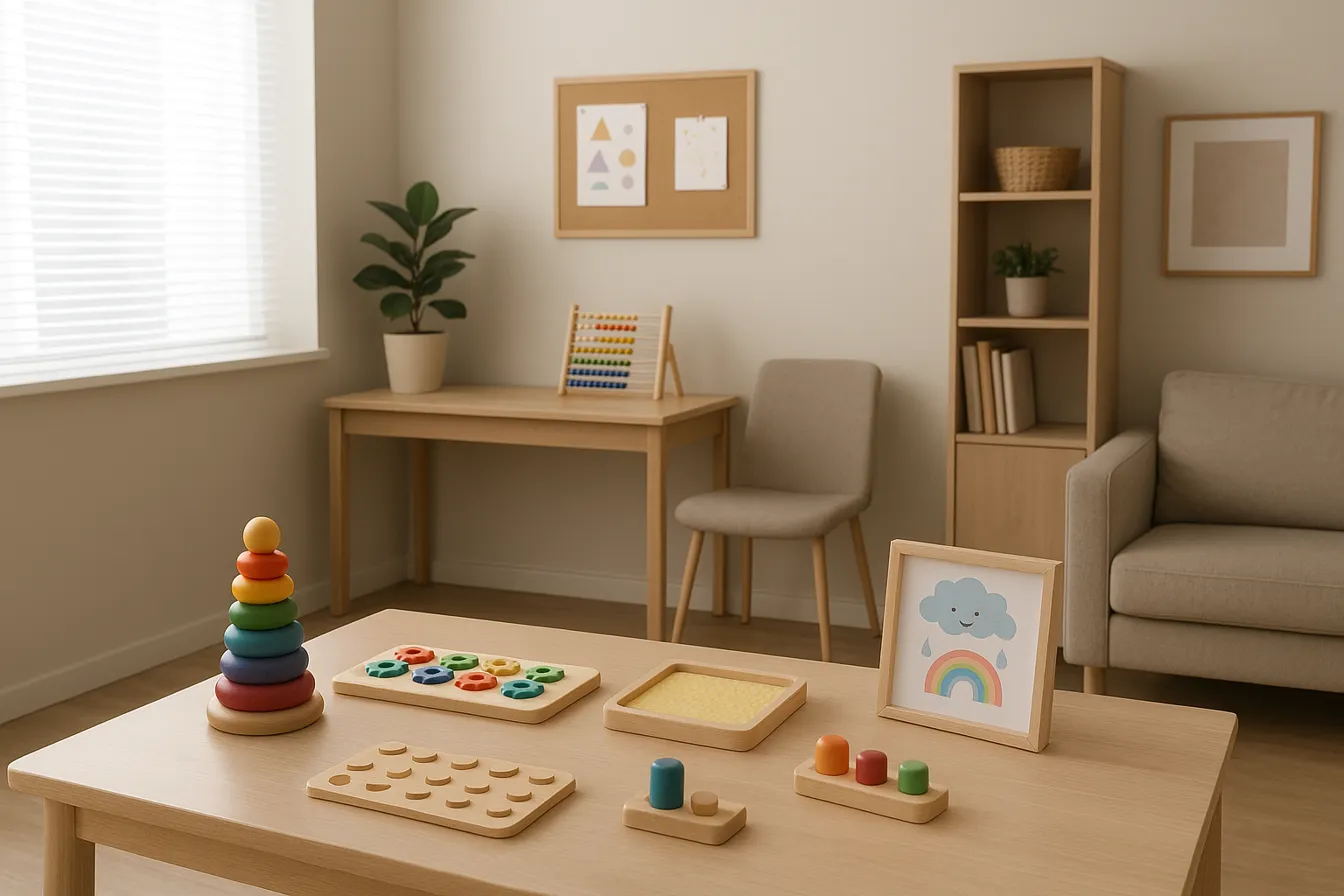
Understanding Sensory Eating Challenges in Children
Sensory Processing and Its Impact on Eating Behaviors
Sensory processing is how the brain interprets sensory information from the environment such as taste, texture, smell, sight, and touch. Children with sensory processing difficulties may experience either too much or too little sensory input, which can profoundly affect their eating habits. For example, heightened sensitivities to food textures or smells can lead to avoidance of certain foods or limited diets.
Common Signs of Sensory-Related Feeding Difficulties
Children struggling with sensory eating challenges might show behaviors such as gagging, vomiting, or refusing to eat foods based on how they look, smell, or feel. Other signs include food pocketing, extended mouthing, or distress during mealtime. They may also prefer specific textures or brands and display anxiety or discomfort around new or unfamiliar foods.
Overview of Sensory Sensitivities Affecting Food Acceptance
Sensory sensitivities often involve tactile aversions to food textures or tastes, auditory sensitivities relating to the sounds of eating (like crunchiness), and visual sensitivities involving food appearance. These sensitivities contribute to picky eating and food selectivity, which can impact nutrition and growth. Understanding these sensory challenges is essential to developing tailored feeding interventions that improve children's comfort and acceptance of diverse foods.
How Sensory Processing Influences Feeding Difficulties

What is Sensory Processing Disorder (SPD)?
Sensory processing disorder (SPD) affects how the brain receives and interprets information from the senses such as taste, smell, touch, sight, and hearing. In children, SPD can lead to difficulties in responding appropriately to sensory stimuli, particularly during mealtime. For more details, see Understanding Sensory Processing Disorder.
Sensory Modulation and Discrimination in Eating
Children with sensory modulation issues may either overreact or underreact to sensory input. For eating, this can translate to extreme sensitivity or lack of response to food textures or tastes. Sensory discrimination difficulties affect the ability to detect differences among textures, tastes, or smells, which impacts food preferences and acceptance. Learn more about Sensory Modulation Disorder Explained and Sensory Discrimination Disorder Details.
Common Sensory Triggers in Feeding
Typical sensory triggers include aversions to certain tastes, textures (such as mushy or crunchy foods), smells, and even visual aspects like food color and appearance. These sensitivities may evoke discomfort, leading the child to reject foods based on sensory properties. Explore more about Sensory sensitivities affecting picky eating and Sensory Issues and Food Aversions.
Behavioral Manifestations Related to Sensory Sensitivities
Children experiencing sensory feeding challenges often display behaviors such as gagging, vomiting, food refusal, and extreme selective eating. These behaviors can lead to nutritional deficits and stress during meals. For insights, see Feeding therapy for sensory food aversion and Feeding therapy in autism intervention.
What Therapy Formats Does EverCare ABA Offer and How Can Families Choose the Best Option?
EverCare ABA provides flexible therapy formats including in-home visits, virtual sessions, and center-based programs. Families select the option that best aligns with the child's comfort level, learning style, and family schedule. Guidance from experienced providers helps inform this choice, ensuring the therapy is engaging and tailored to individual needs. Each format incorporates interactive activities like Sensory play and role-playing to improve communication and daily living skills. Choosing the right setting is a personalized process aimed at supporting the child’s growth and minimizing mealtime challenges. More information about ABA therapy for eating challenges can also be helpful.
The Role of Occupational Therapy in Managing Sensory-Based Feeding Issues

Use of Sensory Integration Therapy to Address Feeding Challenges
Occupational therapy often employs sensory integration therapy (SIT) to help children with sensory-based feeding issues become more comfortable with food textures and tastes. SIT targets tactile and taste aversions by providing controlled, gradual exposure to different sensory experiences. Techniques include sensory play in feeding therapy to reduce anxiety and increase tolerance, helping children progress from food refusal to more varied eating habits.
Developing Oral-Motor Skills for Safe Eating
Feeding difficulties frequently involve oral-motor delays that hinder chewing and swallowing. Occupational therapists use specific exercises to strengthen muscles of the jaw, tongue, and lips. These exercises improve coordination and the ability to manage different food consistencies safely, which is critical for nutritional intake and reducing choking or gagging incidents. Learn more about oral motor exercises and feeding therapy for oral motor challenges techniques.
Family-Focused Interventions and Caregiver Training
Family involvement is a cornerstone of effective occupational therapy. Caregivers receive training on strategies to create calm, predictable mealtime environments at home. This ongoing support allows families to reinforce positive feeding behaviors and prevent mealtime stress. When caregivers understand and apply these techniques, it accelerates the child’s progress and helps generalize skills beyond therapy sessions. Read about family-focused interventions for mealtime behaviors and the role of family involvement in feeding therapy.
Collaboration with Multidisciplinary Teams
Occupational therapists often collaborate closely with speech-language pathologists, dietitians, and pediatricians to address the complex needs of children with feeding difficulties. This team approach ensures that sensory, oral-motor, behavioral, and nutritional factors are all considered to create a personalized and holistic feeding plan. Explore the benefits of a multidisciplinary feeding intervention and the Feeding Clinic at STAR Institute.
Positive Outcomes from Research
Research indicates that interventions led by occupational therapists that combine sensory integration, behavioral strategies, and family participation result in improved food acceptance, expanded dietary variety, and reduced problematic mealtime behaviors. Children demonstrate less anxiety and more flexibility at mealtimes, supporting healthier growth and development. See in-depth discussions on the role of OT in picky eating among children with ASD and positive outcomes from sensory and behavioral interventions.
Why is family involvement important in ABA therapy for autism?
Family involvement is essential in ABA therapy for autism because it ensures consistent reinforcement and generalization of skills across all environments, which is vital for a child's development. Active participation by caregivers—including observing therapy, practicing strategies, and providing feedback—enhances learning and improves social and communication outcomes. Engaged families manage behavioral challenges more effectively and foster a collaborative, strengths-based approach to the child’s care, leading to stronger developmental gains. Learn more about parental involvement in ABA therapy and ABA therapy for feeding issues.
Applied Behavior Analysis (ABA) Therapy: A Structured Approach to Feeding Challenges
What is Applied Behavior Analysis (ABA) therapy and how does it support children with autism?
Applied Behavior Analysis (ABA) therapy is a science-based approach that helps children with autism develop essential life skills by applying principles of learning and behavior. It focuses on increasing positive behaviors such as communication and social skills, while reducing challenging behaviors through data-driven techniques personalized for each child. ABA therapy can be delivered in-home, at specialized centers, or virtually, ensuring flexibility tailored to family needs. Family involvement and continuous monitoring help ensure meaningful progress and lasting change.
What behavioral techniques does ABA use to address feeding issues?
ABA therapy employs structured behavioral strategies to tackle feeding difficulties common in children with autism. Positive reinforcement rewards desirable eating behaviors, encouraging children to try and accept new foods. Systematic desensitization gently exposes children to previously rejected food textures or tastes in a gradual, supportive way, reducing anxiety and avoidance. Food chaining connects preferred foods to new ones by highlighting similarities in appearance or taste, easing transitions and expanding dietary options.
How does ABA therapy manage anxiety and sensory sensitivities during mealtimes?
Many children with autism experience heightened anxiety and sensory sensitivities around food, triggered by textures, smells, or routines. ABA addresses these challenges by creating predictable, structured mealtime environments that reduce stress. Visual supports help children understand routines and expectations, fostering calm and cooperation. Sensory integration strategies may be incorporated to help children adjust to new sensory experiences related to eating, further easing mealtime difficulties.
Why are structured mealtime routines and visual supports important in ABA feeding therapy?
Consistency and predictability are vital to reducing anxiety and supporting positive eating behaviors. ABA therapy often includes establishing daily mealtime routines, using visual schedules that illustrate steps like sitting at the table, using utensils, and trying new foods. These cues guide children through mealtime expectations, increase independence, and decrease disruptive behaviors. Visual aids serve as valuable tools in helping children anticipate and manage their mealtime experience.
What is the role of collaboration with other therapists and dietitians in ABA feeding interventions?
ABA feeding therapy often integrates with multidisciplinary teams to provide comprehensive care. Collaborating with speech-language pathologists, occupational therapists, and dietitians ensures that oral motor skills, sensory processing, and nutritional needs are addressed holistically. Partnerships among professionals enable personalized, effective feeding plans that consider medical, behavioral, and sensory factors. Family education and involvement remain central, empowering caregivers to reinforce strategies in the home environment and support their child’s ongoing progress.
Individualizing Therapy Plans at EverCare ABA
How does EverCare ABA personalize therapy plans for children with autism?
EverCare ABA starts with a thorough assessment to understand each child's unique feeding issues and sensory sensitivities. This involves detailed interviews, observations, and standardized assessments performed by professionals like Board Certified Behavior Analysts (BCBAs). These evaluations identify the child's strengths, difficulties, preferences, and family goals.
Using this comprehensive information, therapists design individualized treatment plans tailored to the child's developmental level and learning style. Interventions utilize evidence-based techniques such as positive reinforcement, natural environment teaching, and social skills development. Targeted strategies address specific sensory sensitivities and feeding issues, incorporating gradual exposure and structured mealtime routines.
Progress is monitored continuously by collecting and analyzing data on the child's responses and achievements. This ongoing evaluation allows therapists to adjust interventions promptly, ensuring the plan evolves with the child's needs.
Family involvement is a cornerstone of EverCare ABA's approach. Therapists train parents and caregivers to apply strategies consistently at home and other settings, creating a supportive environment that reinforces the child's progress and promotes generalization of skills.
By integrating detailed assessment, customized evidence-based interventions, continuous monitoring, and family partnership, EverCare ABA effectively personalizes therapy plans, supporting each child's unique journey toward improved feeding and sensory processing outcomes.
Integrating Sensory-Based Feeding Therapy Techniques

How Does Sensory Play and Gradual Exposure Help Children with Feeding Challenges?
Sensory play allows children to explore food textures, smells, and tastes in a low-pressure, playful setting. Activities like touching food-safe slime or sorting pasta introduce sensory experiences gradually. This helps reduce sensory aversions by making foods more familiar, encouraging children to expand their diets. Gradual exposure techniques gently increase a child’s tolerance for new food sensations, minimizing anxiety and improving acceptance.
What Are the Basics of the Sequential Oral Sensory (SOS) Approach?
The SOS Approach is an evidence-based, multidisciplinary program that integrates sensory, oral motor, behavioral, and nutritional strategies. It focuses on developmental readiness, assessing multiple aspects such as oral-motor skills and sensory preferences. Through step-by-step guidance, children become comfortable exploring and accepting new foods. SOS therapy emphasizes positive experiences with food and works well for those with sensory sensitivities or feeding difficulties related to autism.
How Does Feeding Therapy Strengthen Oral-Motor Skills?
Oral-motor development is essential for effective chewing and swallowing. Feeding therapy incorporates exercises to improve tongue coordination, jaw strength, and lip movement. These techniques reduce risks of gagging and choking, increasing safety and efficiency during meals. Strengthening these skills supports the child in handling a greater variety of textures and food types.
What Strategies Create a Sensory-Friendly Mealtime Environment?
Creating a calm, predictable space helps children feel comfortable and reduces mealtime stress. This may include adjusting lighting, managing noise levels, using comfortable seating, and incorporating visual supports like picture routines. Sensory-friendly environments help regulate sensory input, making eating a more positive, enjoyable experience.
How Can Desensitization Techniques Reduce Gagging and Food Refusal?
Desensitization involves gradual, controlled exposure to challenging textures, smells, or tastes. Therapists use methods such as food chaining—introducing new foods similar to preferred ones—and systematic desensitization to interrupt avoidance behaviors. Consistent, positive reinforcement encourages children to try new foods, leading to reduced gagging, food refusal, and anxiety during mealtimes.
Family Role and Support in Feeding Therapy Success
Training Parents to Build Consistent Routines and Use Reinforcement
Families play an essential role in the success of ABA therapy for eating challenges. Training parents to establish consistent mealtime routines and apply positive reinforcement encourages children to develop healthy eating behaviors. Reinforcement techniques, such as praise and small rewards, help motivate children to try new foods and remain engaged during meals.
Parental Strategies for Positive, Low-Stress Mealtime Environments
Creating a calm and structured environment at mealtimes reduces anxiety and resistance linked to food sensitivities. Parents are guided to minimize distractions, maintain predictable schedules, and foster relaxed atmospheres where children feel safe to explore new foods without pressure or force. This aligns with approaches in Sensory processing and picky eating and Feeding therapy for children with autism.
Guidance for Gradual Food Introduction and Sensory Exploration at Home
Parents learn to use gradual exposure and sensory play in feeding therapy strategies to expand their child's food repertoire. Activities such as exploring textures and smells through food play allow children to increase comfort with unfamiliar items. This step-by-step approach empowers families to support progress in daily life beyond therapy sessions, as demonstrated by SOS Approach to Feeding and family-centered feeding approaches.
Navigating Insurance and Therapy Access Support Provided by EverCare ABA
EverCare ABA offers comprehensive assistance to families navigating insurance coverage for feeding and ABA therapies. They help with benefit verification, pre-authorization processes, and explaining details such as co-pays and session limits. This support ensures children can access in-home, virtual, or center-based therapy options without undue financial stress, complementing resources about feeding therapy benefits and insurance coverage for feeding therapy.
Emotional and Practical Benefits of Family-Centered Therapy Models
Family-centered therapy strengthens bonds by involving caregivers in intervention planning and execution. This collaborative approach provides emotional support to parents, boosts confidence in managing feeding challenges, and promotes consistency across home and therapy settings—helping children achieve lasting, positive outcomes. Such collaborative multidisciplinary approaches are discussed in Occupational therapy for food selectivity in ASD, ABA therapy for feeding issues, and Family involvement in feeding interventions.
Addressing Oral-Motor and Behavioral Aspects in Feeding Therapy
Oral Motor Challenges Common in Children with Sensory Feeding Issues
Many children with sensory processing and picky eating difficulties face oral motor challenges, including trouble coordinating tongue and jaw movements necessary for chewing and swallowing. These challenges can lead to food refusal and increase risks like choking and gagging, affecting safe and efficient eating.
Therapy Exercises to Strengthen Tongue, Jaw, and Chewing Coordination
Feeding therapy for oral motor challenges incorporates targeted oral motor exercises to improve strength, coordination, and sensory awareness in the mouth. Exercises often focus on strengthening the tongue, jaw, and lips through activities such as blowing bubbles, chewing textured foods, and using tools like textured brushes or vibrating devices to stimulate oral muscles.
Behavioral Techniques from ABA to Reduce Food Refusal and Improve Mealtime Participation
ABA therapy for eating challenges are integral to feeding therapy. Techniques such as positive reinforcement, systematic desensitization, and gradual exposure help decrease food refusal behaviors. ABA also utilizes visual supports and structured routines to promote participation at mealtimes and reduce anxiety.
Collaborative Role of Speech Therapists and Occupational Therapists
Speech-language pathologists and occupational therapy for sensory integration collaborate closely in feeding therapy. Speech therapists primarily address oral motor skills, while occupational therapists focus on sensory integration and coordination. This multidisciplinary approach ensures comprehensive support tailored to each child's individual feeding challenges.
Importance of Reducing Mealtime Anxiety to Enhance Safety and Nutrition
Feeding therapy emphasizes creating calming mealtime environments to reduce anxiety, which improves food acceptance and safety. Less anxiety leads to improved nutritional intake and fosters positive mealtime experiences, supporting children’s growth and development.
Achieving Lasting Improvements: Measuring Therapy Outcomes

What are progress indicators in sensory-based feeding therapy?
Progress in sensory-based feeding intervention is often marked by increased food variety and a significant reduction in problematic mealtime behaviors. Children typically show improved tolerance for new textures, tastes, and smells, alongside decreased anxiety and avoidance during meals. Success is also identified through enhanced oral motor skills, such as better chewing and swallowing, facilitating safer and more efficient eating routines.
How soon can families expect to see improvements?
Observable changes in feeding therapy for sensory food aversion can appear within a few weeks to months, though timeframes vary depending on each child's unique sensory sensitivities and developmental level. Gradual exposure and desensitization techniques, like food chaining technique and sensory play activities for texture exploration, encourage steady progression. Consistent therapy sessions combined with family support expedite these positive outcomes.
Why are personalized goals and ongoing assessment essential?
Each child presents with distinct sensory processing and feeding issues, making personalized goal-setting a cornerstone of effective therapy. Continuous assessment allows therapists and families to monitor progress, adapt strategies, and maintain motivation. This individualized approach ensures therapy remains relevant and addresses evolving needs over time.
How do family feedback and adaptation impact therapy?
Family involvement is critical in sustaining improvements; parents provide essential insights into home mealtime dynamics and can reinforce therapeutic techniques. Regular collaboration between therapists and families helps tailor interventions, promote consistency, and reduce mealtime stress. Such partnerships also empower caregivers to adjust strategies as their child grows and changes. See family-focused interventions for mealtime behaviors.
In what ways do improved feeding skills enhance independence and social participation?
Successful feeding therapy not only broadens dietary variety but also fosters self-confidence in eating situations. Improved oral motor and sensory processing skills encourage independence in self-feeding and acceptance of diverse foods. These advances support social engagement during family meals and peer interactions, boosting overall quality of life. Learn more about independence and social participation through feeding therapy.
| Aspect | Description | Outcome |
|---|---|---|
| Food Variety | Gradual introduction of new foods and textures | Expanded diet and nutritional improvements |
| Behavioral Improvements | Reduction in anxiety and mealtime refusals | Calmer and more positive mealtime behaviors |
| Therapy Timeframe | Weeks to months of consistent intervention | Noticeable functional and sensory progress |
| Family Engagement | Active caregiver participation and feedback | Enhanced consistency and generalization |
| Independence & Social Skills | Increased self-feeding and mealtime participation | Better social integration and confidence |
The Path Forward: Empowering Families and Children Through Sensory Feeding Therapies
Understanding Sensory Feeding Therapies' Benefits
Sensory feeding therapies offer targeted support for children experiencing feeding challenges related to sensory sensitivities, oral motor difficulties, and behavioral issues. These therapies help reduce food aversions, expand dietary variety, improve oral motor skills, and create more positive mealtime experiences. Techniques such as gradual food exposure, sensory play, and oral motor exercises ease mealtime stress and encourage healthier eating habits.
Importance of Multidisciplinary and Family-Centered Care
Effective sensory feeding interventions rely on the collaboration of occupational therapists, speech-language pathologists, nutritionists, and behavioral specialists. Family involvement is essential; parents learn practical strategies that continue progress at home, fostering consistency and confidence. This team-based, personalized approach respects each child’s unique sensory profile and supports sustainable improvements.
Encouragement for Families
Families are encouraged to seek tailored, evidence-based support that prioritizes their child's individual needs. Therapists provide education, sensory-friendly techniques, and compassionate guidance to empower caregivers in managing feeding challenges. Creating a calm, structured mealtime environment enhances comfort and acceptance.
EverCare ABA's Commitment
At EverCare ABA, we are dedicated to compassionate, individualized autism care, focusing on sensory and feeding challenges. Our multidisciplinary teams work hand-in-hand with families to develop customized therapy plans aimed at promoting greater independence, nutrition, and well-being for every child.



Ready To Begin
Get the Support Your Child Truly Deserves
Start your journey with EverCare ABA today. Our team will answer questions, verify insurance, and guide you through every step—so your child can begin thriving with the care they need.