Our Blog

Social Skills Enhancement Through ABA Interventions
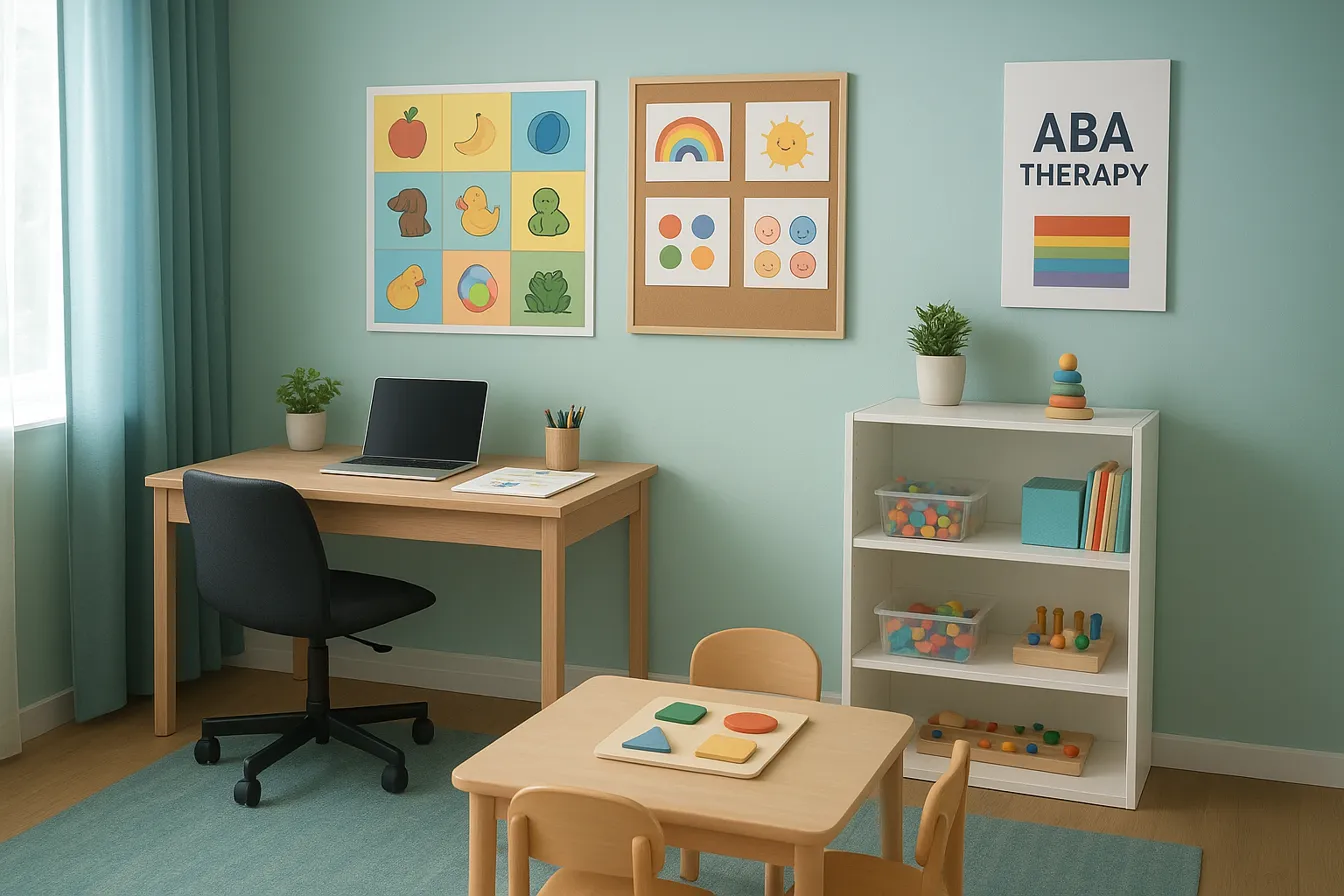
Understanding ABA Therapy and Its Impact on Children with Autism
What is ABA Therapy?
Applied Behavior Analysis (ABA) is an evidence-based therapeutic approach designed to improve behaviors, communication, and social skills in children with autism spectrum disorder (ASD). Rooted in the science of learning and behavior, ABA aims to increase helpful behaviors while decreasing harmful or hindering ones.
How ABA Supports Children with Autism
ABA therapy focuses on breaking down complex behaviors into manageable steps and teaching new skills through techniques such as modeling, role-playing, social stories, and positive reinforcement. It helps children improve communication—both verbal and non-verbal—as well as social interactions like understanding cues, initiating conversations, and handling conflicts. This personalized approach boosts confidence and fosters meaningful relationships.
Delivery Methods and Settings
ABA interventions can be provided in various formats including in-home, clinic-based, virtual sessions, and community-based programs. This flexibility allows therapy to be tailored to the child's unique needs and natural environments, promoting the generalization of social skills in real-life situations.
Importance of Qualified Professionals
Certified Behavior Analysts (BCBAs) design and oversee ABA programs, ensuring interventions are evidence-based and individualized. Their expertise is essential for accurate assessments, goal setting, and ongoing adjustments to maximize therapeutic outcomes.
The Role of Early Intervention
Initiating ABA therapy early, ideally between ages 2 and 3, leverages developmental brain plasticity to significantly enhance social, communicative, and daily living skills. Early, consistent intervention often leads to better long-term social and emotional outcomes for children with autism.
Tailored ABA Strategies to Enhance Social Skills

What is Applied Behavior Analysis (ABA) therapy and how does it help children with autism?
Applied Behavior Analysis (ABA) for autism therapy is an evidence-based practice in ABA that uses behavioral principles to help children with autism develop essential skills and reduce challenging behaviors. It focuses on improving communication, socialization, attention, and daily living through customized ABA therapy plans created by qualified professionals like Board Certified Behavior Analysts (BCBAs). ABA therapy involves methods such as positive reinforcement, discrete trial training (DTT), and natural environment teaching (NET). These strategies support meaningful progress by teaching skills in structured and natural settings, often involving family members to ensure consistency and generalization.
Key ABA techniques for social skills development
ABA uses several effective ABA strategies for social skills, including:
- Modeling: Demonstrating social behaviors such as greetings and sharing for children to imitate.
- Role-Playing: Creating safe, structured scenarios for children to practice conversations, turn-taking, and conflict resolution.
- Social Stories: Personalized narratives that explain social cues and expectations to help children understand appropriate behaviors.
- Video Modeling: Using recorded examples to visually teach social interactions.
- Prompting and Reinforcement: Providing cues and positive feedback to encourage desired behaviors and gradually fostering independence.
- Peer-Mediated Instruction: Involving peers to facilitate natural social interactions.
Individualized treatment plans
ABA therapy is tailored to each child's unique social and behavioral needs based on comprehensive assessments. These plans set measurable goals targeting specific social skills deficits such as initiating conversations, interpreting social cues, and empathy development. The therapy adapts over time with ongoing data collection to optimize progress. Programs may range from beginner to advanced levels, systematically building competencies that prepare the child for everyday social settings.
Managing and reducing challenging behaviors
ABA therapy also addresses problematic behaviors like tantrums, aggression, and self-isolation that can hinder social engagement. By teaching alternative positive behaviors and reinforcing them consistently, ABA creates a supportive environment that encourages social participation and reduces problem behaviors.
Communication development focus
A core aim of ABA is to boost both verbal and non-verbal communication. Techniques like Discrete Trial Training and augmentative communication systems (e.g., Picture Exchange Communication System and AAC devices) are used to enhance expressive and receptive communication. Improving communication skills directly supports better social interaction and peer inclusion.
Role of family in therapy generalization
Family involvement is critical in ABA therapy to reinforce social skills beyond clinical settings. Training parents and caregivers helps ensure consistent practice and application of learned skills during daily routines. Collaborative efforts among therapists, families, and educators foster generalization, allowing children to successfully apply social skills across home, school, and community environments.
These personalized, evidence-based ABA strategies promote meaningful social growth and improved quality of life for children with autism, supporting them in becoming confident and socially competent individuals.
The Benefits of ABA Therapy for Social and Daily Skills Development

What are the key benefits of ABA therapy for children with autism?
ABA therapy offers a range of important benefits for children with autism, focusing on improving communication, social skills, and daily living independence. This evidence-based ABA therapy uses strategies such as positive reinforcement, modeling, and breaking complex behaviors into smaller steps. By tailoring personalized treatment plans, typically overseen by certified behavior analysts, ABA helps children learn vital skills like initiating conversations, understanding social cues, and managing emotions.
Improvements in communication and peer interaction
ABA therapy significantly enhances both verbal and non-verbal communication skills. Children learn to engage with peers through turn-taking, sharing, and social problem-solving, leading to increased peer interaction through ABA and meaningful relationships. Techniques such as role-playing for social skills, social stories in ABA, and video modeling allow children to practice social scenarios in safe, structured environments.
Increasing independence and self-confidence
Through mastering essential daily and social skills, children build self-confidence and independence. Increasing confidence in children with autism and supporting progress in self-care tasks teaches children how to navigate social settings with greater ease. Reinforcement strategies encourage repeated practice, helping children become more autonomous and comfortable in their interactions.
Reducing problem behaviors like aggression and tantrums
Reducing problem behaviors such as aggression and tantrums is effectively addressed by ABA therapy by teaching alternative, positive actions and communication methods. By understanding antecedents and consequences of behaviors, therapists help children manage frustrations and emotional regulation, creating a positive environment conducive to learning social skills.
Long-term social and emotional benefits
Early and consistent ABA intervention leads to sustained improvements in social communication and emotional well-being. Children often show enhanced confidence, better peer relationships, and increased inclusion in community activities. These improvements contribute to a higher quality of life and greater opportunities for academic and social success.
Evidence supporting ABA effectiveness in the US
ABA is widely recognized as an evidence-based best practice in the United States, endorsed by institutions such as the US Surgeon General and the American Psychological Association. Research and clinical studies demonstrate significant gains from intensive ABA therapy, including improved intellectual functioning, language skills, and social competence. Insurance and Medicaid often cover medically necessary ABA services for eligible children, making this therapy accessible to many families seeking effective support.
ABA's scientifically backed, individualized approach empowers children with autism to develop critical social and daily living skills, fostering their growth toward independence and meaningful social participation.
How EverCare ABA Personalizes Therapy and Supports Families
How does EverCare ABA personalize therapy plans for each child with autism?
EverCare ABA begins with comprehensive assessments involving detailed observations, caregiver interviews, and standardized evaluation tools. This thorough understanding of each child's unique strengths, challenges, and developmental profile allows therapists to design individualized ABA treatment plans tailored to specific goals such as ABA social skills training, communication, daily living tasks, and behavior management.
The therapy incorporates evidence-based ABA therapy techniques like Discrete Trial Training (DTT), Natural Environment Teaching (NET), and focused social skills training. These methods are selected and adapted according to the child’s learning style and progress. Crucially, ongoing data collection monitors skill acquisition and behavior changes, enabling therapists to adjust plans promptly to stay effective and relevant.
Family involvement is an integral part of the process. EverCare ABA trains caregivers to reinforce strategies and skills learned during sessions, promoting consistency across home and community environments. This partnership creates a supportive atmosphere that enhances skill generalization and long-term success, reflecting best practices for parental involvement in ABA.
What therapy formats does EverCare ABA offer to families?
To best suit each child and family's needs, EverCare ABA provides flexible therapy formats:
- In-home therapy: Delivered within the child's natural surroundings, fostering comfort and practical application through in-home ABA therapy.
- Virtual sessions: Accessible online options that offer flexibility and convenience without geographical constraints, such as virtual ABA therapy.
- Center-based programs: Structured clinical environments with specialized resources and professional oversight.
This variety ensures families can select the setting that aligns with their lifestyle and the child's preferences, optimizing engagement and outcomes, consistent with structured ABA services.
How does EverCare ABA support families with insurance and navigating autism care?
Understanding the complexities of insurance coverage, EverCare ABA offers dedicated support through a Care and Benefits team. This team helps families verify insurance benefits, obtain necessary authorizations, and navigate coverage options, considering both state and federal regulations like MHPAEA.
The team assists families in advocating for required ABA services and guides them through appeals if coverage is initially denied. By staying informed about evolving policies and mandates, EverCare ABA reduces financial and administrative barriers, freeing families to focus on supporting their child's development, aligned with guidance on insurance coverage for ABA.
Through personalized therapy, flexible delivery options, and comprehensive family and insurance support, EverCare ABA ensures an effective, accessible, and compassionate ABA therapy benefits for children with autism.
The Critical Role of Family Involvement in ABA Therapy

Why is family involvement important in ABA therapy?
Family involvement is essential in ABA therapy for autism because it ensures that skill development is reinforced consistently across different environments, such as home and school, supporting the overall progress of the child. When parents and caregivers are actively engaged, they help generalize skills learned during therapy sessions into everyday life, creating consistency that accelerates learning.
Ensuring consistency and skill generalization
ABA therapy's success depends on applying learned skills beyond therapy sessions. Families play a crucial role in maintaining consistent routines and reinforcing social skills in natural settings. This promotes generalization of social skills, enabling children to use their new abilities with peers, educators, and community members.
Parental training and hands-on coaching
Parents often receive direct training on ABA Therapy for Autism from certified behavior analysts (BCBAs). This hands-on coaching empowers them to support communication, social interactions, and positive behaviors effectively. Such involvement ensures that therapeutic strategies are embedded in daily routines, increasing their effectiveness.
Collaborative treatment planning
Family members collaborate with therapists to tailor Individualized ABA Therapy Plans based on the child's unique needs and family dynamics. Ongoing communication and shared insights allow adjustments to therapy goals, ensuring interventions remain relevant and impactful.
Increasing child motivation and routine structure
Engaged families create structured environments that motivate children to practice targeted skills regularly. Consistent routines build confidence and encourage children to participate more actively in social interactions, supporting increasing confidence in children with autism.
Positive impact on long-term outcomes and family dynamics
Active family involvement not only accelerates skill acquisition but also strengthens bonds within the family. Parents feel empowered and confident, which fosters a supportive atmosphere conducive to the child’s overall development and independence as highlighted in ABA therapy benefits for children with autism.
Empowering Parents: Implementing ABA Techniques at Home

How can parents implement ABA techniques at home to support their child’s progress?
Parents play a vital role in reinforcing the skills their child learns during ABA therapy for autism by implementing specific techniques at home. One essential method is positive reinforcement, which involves rewarding desired behaviors to encourage their recurrence. Through parent training programs provided by certified behavior analysts, caregivers learn how to identify and apply appropriate reinforcement strategies in ABA effectively.
Communication tools, such as the Picture Exchange Communication System (PECS), offer practical ways for non-verbal children to express their needs and engage socially. Training in PECS use enables parents to support their child’s communication development consistently in daily routines.
Tailoring interventions to fit family dynamics is critical. ABA therapists collaborate with families to understand their unique schedules, values, and challenges, customizing strategies to ensure successful integration into home life. This personalized approach considers siblings, cultural factors, and parenting styles, making interventions more sustainable.
Consistent reinforcement across multiple environments promotes the generalization of newly acquired skills, helping children apply what they learn in therapy to real-world situations. Parents are encouraged to provide regular practice opportunities and feedback during playtime, mealtimes, and community outings.
Strong collaboration between caregivers and therapists enhances treatment effectiveness. Regular communication through meetings and data sharing allows for adjustments to therapy plans and ensures that parents feel supported and confident in their roles.
Overall, empowering parents through education, practical coaching, and cooperative care fosters a nurturing environment. This approach strengthens the child’s progress, reduces challenging behaviors, improves communication, and enriches family relationships, helping children with autism thrive at home and beyond.
Advancing Social Competence Through Personalized ABA Interventions
Applied Behavior Analysis (ABA) therapy is a proven, evidence-based approach that significantly enhances social skills in children with autism.
ABA techniques such as role-playing, modeling, and social stories promote communication, understanding of social cues, and peer interaction.
Personalized treatment plans ensure interventions directly address each child's unique needs, fostering meaningful progress.
Family involvement is crucial, reinforcing skills at home and in community settings for lasting development.
EverCare ABA exemplifies this commitment by providing tailored, comprehensive ABA services that support children and families throughout their journey.

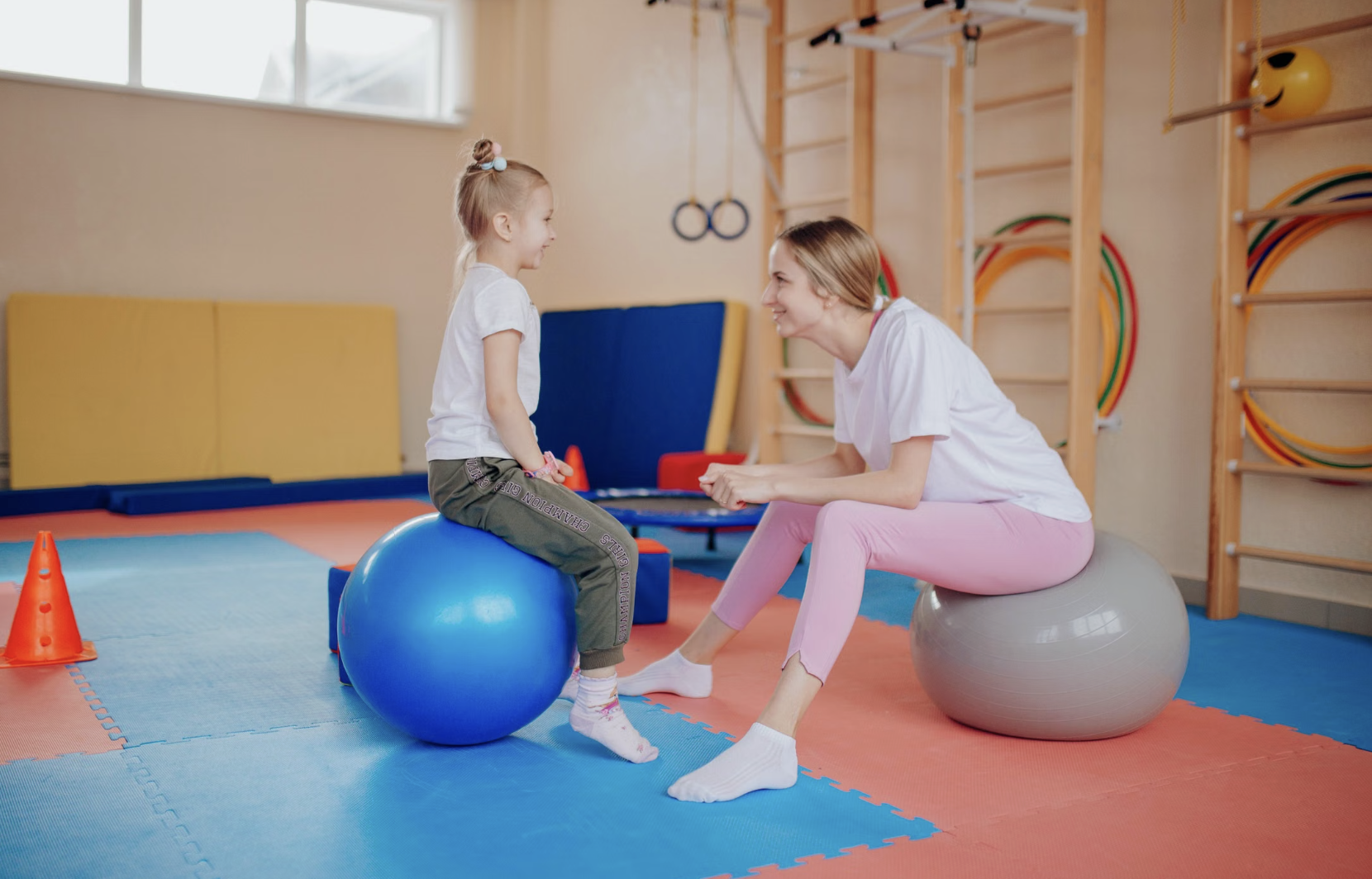

Ready To Begin
Get the Support Your Child Truly Deserves
Start your journey with EverCare ABA today. Our team will answer questions, verify insurance, and guide you through every step—so your child can begin thriving with the care they need.