Our Blog

Steps to Develop Individualized ABA Therapy Plans
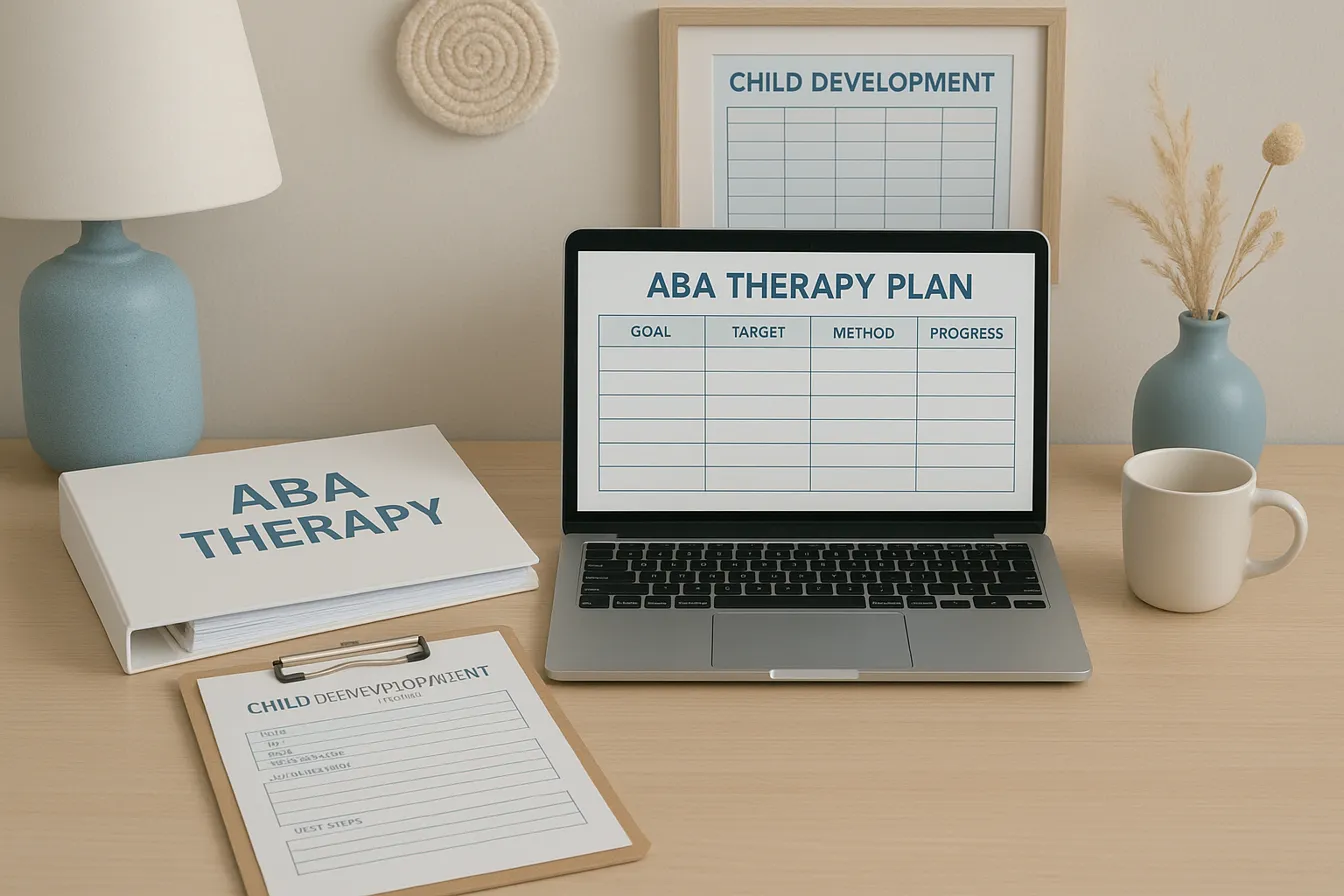
Understanding ABA Therapy: The Foundation for Individualized Care
What Is ABA Therapy?
Applied Behavior Analysis (ABA) is a scientifically supported therapy that focuses on understanding how behavior works and how it is influenced by the environment. ABA is widely recognized as an effective treatment, especially for children with autism spectrum disorder (ASD), helping them develop critical skills while reducing challenging behaviors.
Benefits of ABA Therapy
ABA aims to increase helpful, socially significant behaviors such as communication, social interaction, and daily living skills. It also seeks to decrease behaviors that may interfere with learning or social acceptance. This personalized therapy is adaptable to the individual needs of each child, ensuring development is practical and meaningful.
The Science Behind ABA
Rooted in extensive research, ABA uses data-driven methods to create individualized plans. Experts use thorough assessments and continuous progress monitoring to tailor interventions effectively. Techniques like positive reinforcement encourage desirable behaviors, making learning enjoyable and sustainable.
Impact on Child Development
ABA therapy has a measurable impact on communication and social skills. By teaching new behaviors and replacing challenging ones with functional alternatives, children improve their ability to interact, express themselves, and succeed in daily settings. The approach emphasizes teaching in natural environments with strong family involvement, which supports generalization and long-term success.
Comprehensive Initial Assessment: Gathering the Essential Insights

What is Applied Behavior Analysis (ABA) therapy and how does it help children with autism?
Applied Behavior Analysis (ABA) therapy is a scientifically supported approach that helps children with autism develop vital skills such as communication, social interaction, and daily living. It is guided by principles of learning and behavior, focusing on increasing positive behaviors and reducing challenging ones. ABA treatment plans are personalized by board-certified behavior analysts (BCBAs) based on thorough assessments.
Role of initial assessment in ABA therapy
The initial assessment is the foundation of ABA therapy. It involves observing the child in different settings and understanding their unique strengths, challenges, and developmental stage. This step enables the therapist to tailor goals that are meaningful and achievable for the child, forming a targeted and effective roadmap for intervention.
Use of standardized tools and observations
Comprehensive evaluations frequently incorporate standardized tools like the ABLLS-R, VB-MAPP, and Vineland Adaptive Behavior Scales. These tools measure communication, social skills, and daily living abilities. In addition, direct behavioral observations and caregiver interviews provide critical insights into the child's current functioning and areas requiring support.
Family input and understanding child's strengths and challenges
Family involvement during the assessment is vital. Caregiver interviews allow therapists to align therapy priorities with family goals, ensuring interventions fit the child's natural environments. Recognizing the child’s interests and strengths also helps therapists identify motivators for learning and reinforces engagement.
Functional Behavior Assessment (FBA) to identify behavior functions
A Functional Behavior Assessment (FBA) is a key component of the initial evaluation. It identifies why challenging behaviors occur, such as seeking attention or escaping a task. Understanding these underlying motivations shapes effective intervention strategies aimed at teaching alternative appropriate behaviors and coping skills.
Together, these initial assessment steps create a personalized, data-driven foundation for ABA therapy, maximizing the child's potential for growth and skill acquisition.
Designing Individualized Treatment Plans with Expertise and Family Collaboration

The Role of Board Certified Behavior Analysts (BCBAs) in Plan Design
Board Certified Behavior Analysts (BCBA role in ABA goals) lead the creation of personalized ABA treatment plans. They begin with a comprehensive assessment involving direct observation, family interviews, and standardized instruments. This process identifies a child's strengths, challenges, and unique behaviors.
Incorporating Family Priorities and Input
Family collaboration is central to crafting effective ABA plans. BCBAs actively seek caregivers’ insights and goals to ensure therapy aligns with the child’s home environment and family values. This partnership enhances the relevance and consistency of interventions.
Setting Clear, Measurable SMART Goals
Treatment plans include specific, measurable, achievable, relevant, and time-bound (SMART goals in ABA treatment). These targets focus on improving communication, social skills, adaptive behaviors, and reducing challenging behaviors. Progress is tracked through ongoing data collection in ABA therapy, allowing for plan adjustments.
Focus Areas of ABA Treatment Plans
ABA therapy targets several key developmental domains:
How Does EverCare ABA Personalize Treatment Plans for Each Child?
EverCare ABA emphasizes thorough assessments using observation, interviews, and standardized tools to comprehensively understand each child's profile. Their BCBAs work closely with families to develop measurable goals tailored to the child’s developmental stage and family priorities, focusing on communication, social skills, adaptive behaviors, and behavior reduction. This collaborative and data-driven ABA therapy approach ensures that treatment is both personalized and effective.
Implementing Evidence-Based ABA Techniques to Foster Skill Development

How is ABA Therapy Personalised for Each Child?
EverCare ABA personalizes treatment plans through a data-driven approach. This involves continuous collection and analysis of progress data, allowing therapists to tailor interventions such as Discrete Trial Training (DTT), Natural Environment Teaching (NET), and social skills training to match the child's unique learning style and preferences. See more about Personalized ABA Treatment Plans.
What Role Does Positive Reinforcement Play?
Positive reinforcement is central in ABA therapy. Therapists identify motivating reinforcers in ABA specific to each child—such as favorite toys, praise, or activities—to encourage repetition of desired behaviors. This individualized system helps enhance skill acquisition and fosters engagement. Learn about Positive reinforcement techniques.
Which ABA Techniques Are Used?
How Are Functional Communication and Alternative Behaviors Taught?
Therapists use ABA strategies to teach functional communication, enabling children to express needs or feelings effectively. Alternative behaviors replace challenging ones by identifying their function—such as seeking attention or avoiding tasks—and promoting appropriate skills. This includes Functional Behavior Assessment (FBA) and Behavior reduction strategies in ABA.
How Is Progress Monitored?
Data collection is an ongoing process during therapy sessions. Therapists systematically record responses and behaviors, analyzing trends to evaluate goal attainment. This continuous monitoring supports timely adjustments to the treatment plan, ensuring it remains effective and responsive to the child's developmental changes. Learn about Data collection in ABA therapy and Monitoring ABA progress.
This evidence-based, flexible approach underscores the importance of Individualized Family-Centered ABA Care that adapts to each child's evolving needs, maximizing skill development and quality of life.
Flexible Therapy Delivery Formats That Fit Family Needs

What therapy delivery formats does EverCare ABA offer and how do they support families?
EverCare ABA provides versatile therapy delivery options tailored to meet the unique needs of children with autism and their families. These include ABA Therapy In-Home, virtual, and ABA Therapy In-Center ABA therapy, all designed to maximize the effectiveness of interventions while accommodating family preferences.
In-home therapy allows children to learn and practice essential skills within the comfort of their natural environment learning in ABA. This setting supports skill generalization, making it easier for children to transfer new behaviors to everyday situations. Additionally, it encourages active family involvement in ABA, as parents and caregivers can observe strategies firsthand and participate in reinforcing skills during daily routines.
Center-based therapy offers a structured environment with access to multidisciplinary ABA teams, providing opportunities for focused skill acquisition. It facilitates peer interaction, fostering social development in a controlled setting where therapists can guide positive social behaviors and group dynamics.
Virtual therapy adds convenience and accessibility, particularly benefiting families who face geographical or scheduling challenges. It enables consistent therapy sessions without the need for travel, ensuring ongoing support and timely adjustments to individualized therapy plans for children with autism.
Together, these formats empower families to choose the option that best suits their lifestyle and the child's therapeutic needs, enhancing engagement and supporting personalized ABA therapy assessment.
The Vital Role of Family Involvement in ABA Therapy Success

Why is family involvement important in ABA therapy?
Family involvement in ABA is essential in ABA therapy because it ensures that children receive consistent support across all environments, which helps reinforce learned behaviors and skills. When caregivers actively participate and engage in training, they learn how to implement ABA strategies effectively within daily routines. This integration fosters natural environment learning in ABA opportunities beyond therapy sessions, leading to stronger skill generalization and long-lasting improvements.
Importance of caregiver participation and training
Caregivers trained in ABA techniques become empowered advocates and active partners in their child's intervention. They learn to apply positive reinforcement techniques, manage challenging behaviors, and create structured environments that encourage growth. Training equips families with practical tools to address everyday situations, ensuring that therapeutic gains are maintained and expanded outside clinical settings.
Integrating ABA strategies into daily routines
By embedding ABA principles into routine activities—mealtime, playtime, or hygiene—parents provide numerous opportunities for skill teaching in ABA therapy. This approach promotes flexibility and adaptability in children, helping them generalize new skills across contexts. It also reduces anxiety by making learning familiar and meaningful.
Enhancing consistency and skill generalization
Consistency between therapy and home is crucial for effective ABA. Collaborative goal setting and regular communication between therapists and families help maintain aligned strategies. Such teamwork ensures that progress measurement in ABA ensures that skills acquired during sessions transfer smoothly to real-world environments and daily life.
Collaboration between families and therapists for better outcomes
Successful ABA relies on ongoing collaboration. Therapists rely on family feedback to adjust plans based on the child's progress and challenges. Families provide insights into the child's preferences and environments, enabling therapists to personalize interventions further. This dynamic partnership builds a supportive atmosphere focused on the child’s overall development and well-being through collaborative ABA therapy efforts.
Supporting Communication, Behavior, and Daily Living Skills Development

How does EverCare ABA support communication, behavior, social skills, and daily living development?
EverCare ABA employs a personalized ABA treatment plans, evidence-based approach to support children with autism in enhancing communication, behavior, social skills, and daily living capabilities. Each plan is tailored to the child's unique needs, ensuring effective skill-building.
Use of augmentative and alternative communication (AAC) methods
To support children who have limited spoken language, EverCare ABA integrates AAC techniques, including Picture Exchange Communication System (PECS), speech-generating devices, sign language, and communication boards. These tools empower children to express themselves more effectively, fostering independence and reducing frustration.
Techniques for improving social skills and adaptive behaviors
Therapists utilize structured techniques such as Discrete Trial Training (DTT), task analysis to break complex skills into manageable steps, modeling appropriate social interactions, and functional communication training. These strategies help teach social cues, improve conversation skills, and encourage adaptive behaviors necessary for daily success.
Functional communication training and behavior intervention plans
A critical part of therapy involves Functional Communication Training (FCT), which teaches children alternative ways to communicate their needs instead of using challenging behaviors. Behavior Intervention Plans (BIPs) are developed to clearly address unwanted behaviors, identify triggers, and promote positive replacement skills.
Training families to reinforce communication and independence at home
EverCare ABA strongly emphasizes family involvement in ABA. Parents and caregivers receive training on implementing communication strategies like PECS and reinforcement techniques within daily routines. This collaboration ensures consistent reinforcement and helps to generalize skills across environments, supporting ongoing progress.
Overall, EverCare ABA combines customized strategies, family education, and evidence-based interventions to promote meaningful improvements in communication, social engagement, and daily living skills for children with autism.
Navigating Autism Care: Resources and Guidance for Families
What resources and guidance does EverCare ABA provide to parents navigating autism care?
EverCare ABA offers a comprehensive range of resources and guidance designed to support parents as they navigate the challenges of autism care. Central to their approach are parent training in ABA programs that empower caregivers with practical, evidence-based ABA strategies. These programs teach parents how to reinforce therapy goals at home, which is essential for generalizing skills learned during therapy sessions into everyday life.
They emphasize the integration of Effective ABA therapy strategies into daily routines—such as during mealtimes, play, and bedtime—helping make learning natural and consistent. This approach not only reinforces progress but also reduces stress by embedding therapy within familiar family activities.
EverCare ABA fosters regular communication and collaborative ABA therapy efforts between therapists and families. Parents receive frequent updates on progress and are actively involved in adjusting goals, ensuring therapy adapts to the child's evolving needs.
The organization also provides educational materials tailored for families, enhancing understanding of autism and therapy methods. This supports parents in becoming confident advocates for their children’s development, promoting sustained progress both within therapy sessions and at home.
By prioritizing family involvement in ABA, EverCare ABA creates a nurturing, supportive environment that strengthens partnerships between professionals and families, ultimately enhancing positive outcomes for children with autism.
Ongoing Monitoring, Flexibility, and Adaptation of ABA Plans for Sustained Success
Continuous data collection and progress evaluation
ABA therapy relies heavily on ongoing data collection in ABA therapy during sessions to track a child's progress precisely. Detailed records of behaviors, skill acquisition, and responses to interventions inform therapists about what is working well and what requires modification. This evidence-based ABA approach ensures that the treatment remains effective and tailored to the child’s unique profile.
Regular plan reviews and goal adjustments
Typically, ABA treatment plans undergo formal reviews every 3 to 6 months. These reviews involve analyzing the collected data to evaluate whether existing goals remain appropriate or need adjustment. The therapy team, including the Board Certified Behavior Analyst (BCBA) role and family members, participate collaboratively to update the plan, ensuring it reflects the child's developmental changes and emerging skills.
Addressing setbacks, plateaus, and evolving needs
Setbacks and plateaus are common during ABA therapy. When progress stalls or regresses, the team examines influencing factors such as changes in health, environment, or routine. Adjustments may include refining intervention strategies, breaking skills into smaller steps, or altering reinforcement approaches. This adaptability is crucial to maintaining momentum and meeting the child's evolving needs as part of adjusting ABA strategies and handling ABA setbacks.
Ensuring safety with crisis and emergency protocols
Comprehensive ABA plans include established safety protocols in ABA therapy for managing emergency situations and challenging behaviors. These protocols equip therapists and families with strategies for de-escalation, crisis prevention, and consistent responses, protecting the child and support network while fostering coping skills.
Collaborative teamwork among therapists and families
A successful ABA program is a team effort. Close collaboration between therapists, BCBAs, parents, and caregivers promotes consistent implementation of interventions across all environments. Family involvement in ABA and training and daily routine integration reinforces the child's learning and supports generalization of skills beyond therapy sessions. Such partnership strengthens the therapeutic impact and sustains gains over time through collaborative ABA therapy efforts.
Embracing Individualized ABA Therapy: A Collaborative Path to Growth
Personalized ABA Therapy: Steps to Success
Creating an ABA treatment plan begins with a thorough assessment led by Board Certified Behavior Analysts (BCBAs) who observe the child and consult with families to understand strengths, challenges, and goals. Functional Behavior Assessments (FBAs) identify the reasons behind behaviors, guiding the development of clear, measurable goals that focus on skill-building and behavior reduction.
Expert Guidance and Family Collaboration
The plan’s success depends on expert design and active family involvement. Parents and caregivers participate in training and daily routines, reinforcing learned skills and supporting natural environment learning. This collaboration ensures consistency and meaningful progress.
Flexible Therapy Delivery and Monitoring
ABA therapy can be delivered in-home, in centers, or at school, adapting to each child's needs and comfort. Continuous data collection during sessions allows therapists to monitor progress closely and adjust goals, keeping the plan responsive and effective.
Encouraging Families
Families are encouraged to engage fully, fostering a supportive environment essential for skill generalization. This partnership empowers children with autism to grow confidently, achieving meaningful, lasting improvements.


Ready To Begin
Get the Support Your Child Truly Deserves
Start your journey with EverCare ABA today. Our team will answer questions, verify insurance, and guide you through every step—so your child can begin thriving with the care they need.