Our Blog

Supporting Social Skills Development with ABA Methods
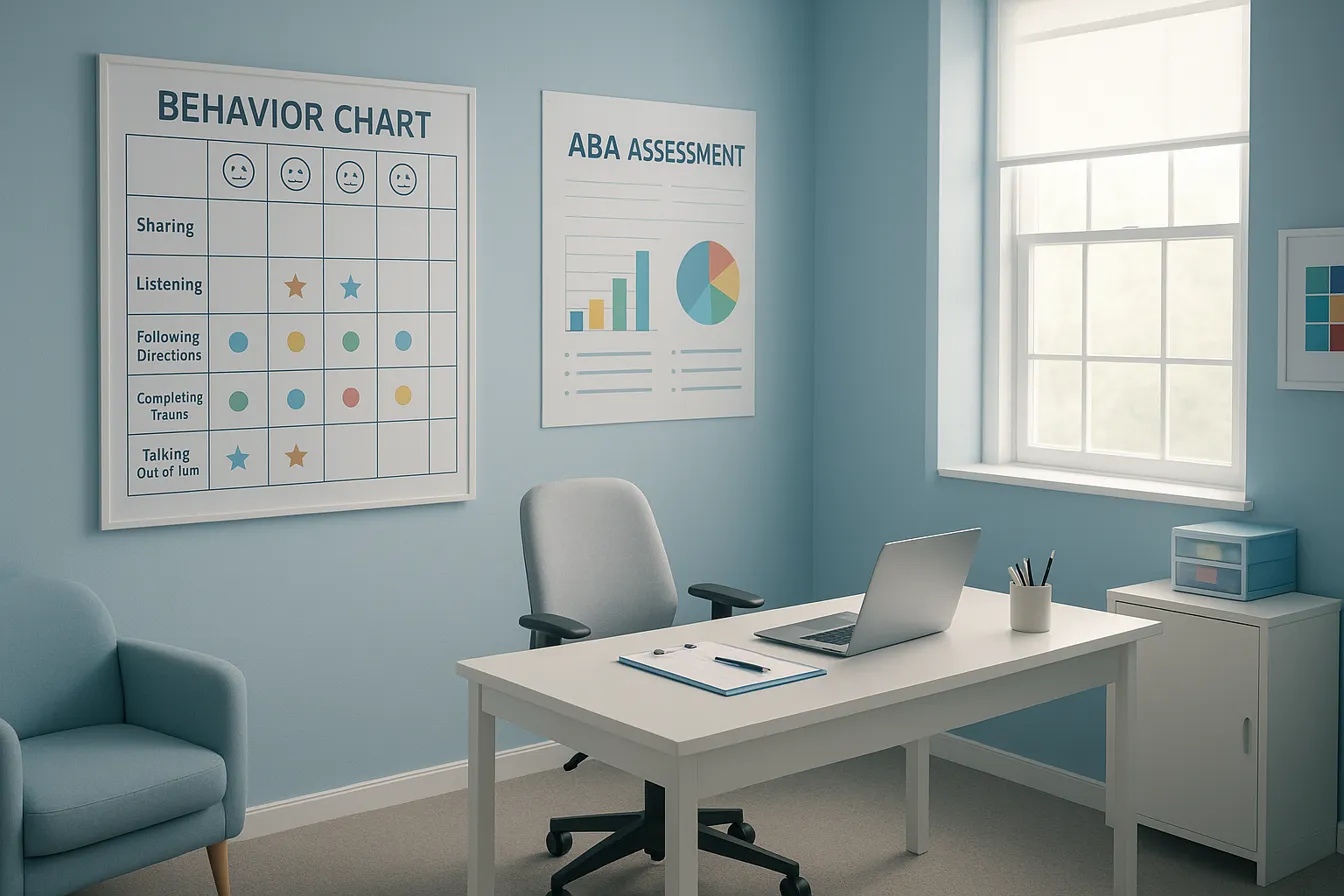
Understanding the Impact of ABA Therapy on Social Development
Definition and Benefits of ABA Therapy
Applied Behavior Analysis (ABA) therapy is a scientifically grounded approach focused on understanding and modifying behavior. It uses techniques like positive reinforcement to increase helpful behaviors and reduce those that hinder learning or social interaction. ABA is highly individualized, with programs tailored to each child's unique needs, especially in areas such as communication, social skills, and daily living.
Scientific Basis and Evidence Supporting ABA
ABA has been an evidence-based treatment since the 1960s and is recognized by reputable organizations such as the US Surgeon General and the American Psychological Association. Research consistently shows that intensive ABA therapy, delivered through structured sessions by licensed professionals, significantly improves social, emotional, and cognitive skills in children with autism.
How ABA Addresses Social Skills Deficits in Autism
Children with autism often face challenges in social interaction, including understanding social cues, initiating conversations, and emotional regulation. ABA breaks these complex skills into smaller, manageable steps using strategies like modeling, role-playing, social stories, and video modeling. Reinforcement of desirable social behaviors such as eye contact, turn-taking, and sharing helps children practice and generalize skills in various environments, supported by active family and caregiver involvement.
Through its personalized and data-driven approach, ABA therapy promotes meaningful social participation and greater independence, improving quality of life for children with autism.
What is Applied Behavior Analysis (ABA) Therapy and Its Benefits for Children with Autism?
What is Applied Behavior Analysis (ABA) therapy and how does it benefit children with autism?
Applied Behavior Analysis (ABA) therapy is a scientifically validated, evidence-based treatment for autism that focuses on understanding behavior and learning principles to support children with autism. This approach aims to increase helpful behaviors like communication, social interaction, and independence, while reducing behaviors that may impede learning or daily functioning.
ABA's core techniques include positive reinforcement in ABA, where desirable behaviors are rewarded to encourage their repetition, and breaking down complex skills into small, manageable steps through methods such as Discrete Trial Training (DTT) and Natural Environment Training (NET). These strategies are tailored through comprehensive assessments to meet each child's unique needs.
Research demonstrates that Effectiveness of applied behavior analysis. Early intensive ABA interventions have been linked to significant gains in language, social competence, emotional regulation, and daily living skills. The therapy emphasizes generalization of social skills including home, school, and community.
Parental and caregiver collaboration is a vital component of ABA therapy, with caregivers trained to reinforce and practice skills learned during sessions, helping children apply social skills consistently. This personalized and collaborative model contributes to ABA's reputation as the gold standard for autism treatment, fostering greater independence and social inclusion for children on the spectrum.
Personalizing ABA Therapy: How EverCare ABA Tailors Treatment to Each Child
How does EverCare ABA personalize treatment plans for each child?
EverCare ABA begins its personalized therapy by conducting thorough assessments led by Board Certified Behavior Analysts (BCBAs). This comprehensive process includes detailed observations, caregiver interviews, and standardized tests designed to capture each child's unique strengths, challenges, and family priorities. Understanding these individual factors ensures that treatment is highly tailored and relevant (Applied Behavior Analysis (ABA) therapy, Individualized ABA Programs).
Assessment process by BCBAs
The role of BCBAs at EverCare ABA is pivotal in identifying specific social, communication, and behavioral goals. They analyze the child's interactions, environmental influences, and developmental levels to form a complete picture. This careful evaluation enables them to design intervention plans that address the child's particular needs and learning style (ABA therapy objectives, Assessment in ABA intervention).
Individualized goal setting and plan development
Based on the assessment findings, the BCBA collaborates with the family to set clear, measurable objectives. These goals are carefully tailored for each child, taking into account their cognitive abilities and cultural background. This individualized planning ensures the therapy remains focused on meaningful skill development and functional improvements (Individual ABA therapy sessions, Individualized ABA approaches.
Customizing evidence-based techniques
EverCare ABA integrates proven strategies such as Discrete Trial Training (DTT), which breaks skills into manageable steps; Natural Environment Teaching (NET), which uses the child's natural surroundings for learning; and targeted social skills training. Each method is adapted to suit the child’s preferences and developmental progress, increasing engagement and effectiveness (Discrete Trial Training (DTT), Natural Environment Training (NET), Structured ABA techniques for social development, Social Skills Training in ABA).
Ongoing monitoring and family collaboration
Regular data collection and analysis allow the BCBA team to track progress and make timely program adjustments. Importantly, EverCare ABA emphasizes strengthening family involvement by training caregivers to apply these strategies in daily routines. This collaboration promotes consistent skill reinforcement and helps generalize behaviors across home, school, and community settings (Parental and Caregiver Collaboration, Family Involvement in ABA, ABA parental involvement).
Through this personalized, data-driven, and family-centered approach, EverCare ABA ensures each child receives therapy that respects their individuality while maximizing social and behavioral growth (ABA therapy effectiveness, Improving Social Skills in Children with Autism.
Flexible Delivery Formats Supporting Family Needs and Child Growth at EverCare ABA

What therapy delivery formats does EverCare ABA offer?
EverCare ABA provides therapy through multiple flexible delivery formats designed to support the unique needs of each child and family. These include:
In-home therapy: Conducting sessions in the child’s familiar environment enhances comfort, reduces anxiety, and promotes natural generalization of skills. Families actively participate, reinforcing social and communication skills daily.
Virtual therapy: Online sessions increase accessibility for families challenged by distance, scheduling conflicts, or transportation issues, ensuring consistent intervention without leaving home.
Center-based programs: Therapy delivered at specialized centers provides a structured environment equipped with resources and peer interaction for Social Skills Training in ABA development.
How do these formats support family convenience and consistency?
By offering multiple delivery options, EverCare ABA increases flexibility, making it easier for families to integrate therapy into their routines. This flexible approach helps maintain consistency in skill practice, critical for successful social and behavioral growth. Therapists tailor interventions for each format, coordinating with caregivers to strengthen learning across home, school, and community settings. Through family-centered care and adaptable delivery, EverCare ABA empowers parents to actively engage, enhancing the child’s progress and social confidence over time.
The Central Role of Family Involvement in ABA Therapy Success

Why is family involvement important in ABA therapy?
Family involvement is a vital component of successful ABA therapy because it helps reinforce learned skills across various settings, promoting generalization of social skills and long-term maintenance. Research shows that when parents actively participate, children demonstrate greater developmental progress and more consistent skill mastery.
Importance of parental engagement and modeling
Parents serve as the primary role models for their children. By modeling social interactions in ABA and practicing communication strategies at home, parents create abundant learning opportunities. Their engagement ensures that the skills taught during therapy are not isolated but become part of the child's daily routine and natural environment teaching (NET).
Techniques to reinforce skills at home
ABA therapists often train families to use reinforcement strategies in ABA such as praise, rewards, and prompting to encourage social interactions and communication. Structured role-playing and incorporating social narratives in teaching at home help children rehearse social skills in a supportive context. Visual supports in autism therapy and consistent routines further strengthen the child’s understanding and comfort with new behaviors.
Collaborative goal setting and communication
Open communication between therapists and families enables personalized goal setting that reflects the child's unique needs and family priorities. This collaboration ensures parents can carry over therapeutic methods effectively, adapting them to everyday circumstances. Regular progress updates and feedback loops keep families informed and motivated to consistently support their child’s growth through collaboration and communication skills.
How family participation enhances skill generalization and maintenance
Family involvement extends the reach of therapy beyond the clinical setting. Practicing skills in multiple environments and situations helps children generalize social skills, making them more functional and sustainable. Consistent reinforcement from caregivers nurtures independence and emotional well-being, providing a strong foundation for lifelong social success.
By prioritizing family-centered approaches, ABA therapy optimizes outcomes and empowers caregivers to be active partners in their child’s development journey.
Practical Parenting Strategies from EverCare ABA to Reinforce Social Skills at Home

Using Visual Schedules and Prompts
EverCare ABA encourages parents to incorporate visual supports for social skills and prompts into daily routines as a practical way to support social skill development at home. Visual supports help children understand expectations and transitions clearly, reducing anxiety and increasing independence. Checklists or picture-based schedules can guide a child through social tasks like greeting others or taking turns.
Applying Positive Reinforcement Consistently
Consistent positive reinforcement in ABA therapy is essential. Praising small successes, offering preferred toys, or engaging in favorite activities when a child demonstrates a targeted social behavior motivates continued effort. Reinforcement should be immediate and meaningful to the child, helping to strengthen desirable skills such as eye contact or sharing.
Breaking Down Complex Social Skills
Parents are advised to break complex social skills into smaller, manageable steps. For example, initiating a conversation can be divided into greeting, asking a question, and responding appropriately. Using prompts such as verbal cues or ABA techniques for teaching social skills assists children in practicing each step confidently, building mastery gradually.
Collaborating with Therapists for Tailored At-Home Support
Active collaboration with therapists ensures home strategies are personalized and effective. Parents share observations and progress, enabling therapists to adjust interventions accordingly. This teamwork reinforces learning across various environments and provides parents with coaching on implementing techniques like role-playing and social stories.
By embracing these strategies, parents create a supportive and structured environment that complements formal ABA therapy, fostering sustainable social skill growth.
Real-Life Success Stories Highlighting ABA’s Impact on Social Skills
Examples of children achieving communication milestones
ABA therapy has facilitated significant communication advancements for many children. For instance, Kevin, a 3-year-old receiving therapy, rapidly progressed in his ability to initiate and maintain conversations within months. Stella improved her communication skills, which helped reduce frustration-induced tantrums by allowing her to express her needs more clearly. Charlie’s language and social understanding flourished through structured sessions focusing on verbal exchanges and social cues.
Improvements in social interaction and emotional regulation
Children like Aiden have shown remarkable gains in social interactions and emotional regulation. Tailored interventions helped him reduce self-injurious behaviors and engage more positively with peers. These successes highlight how ABA therapy for autism teaches not only social skills but also emotional coping strategies, enabling children to form friendships and navigate social settings more comfortably.
Role of family and tailored therapy in success
Family involvement remains a cornerstone of progress in Effective Social Skills Training in ABA Therapy. Caregivers participate actively in therapy sessions and receive training to reinforce skills at home, creating consistent opportunities for practice. Tailored ABA interventions ensure that goals meet each child’s unique needs, which is essential for effective skill acquisition and generalization across daily environments.
Inspiration and hope for families embarking on ABA therapy
These success stories offer encouragement and hope for families considering Importance of Social Skills ABA Therapy. They demonstrate that with a compassionate, personalized approach and active family collaboration, children with autism can achieve significant improvements in communication and social skills, fostering greater independence and quality of life.
Core ABA Techniques for Teaching Social Skills and Enhancing Social Interaction

What are Discrete Trial Training (DTT) and Natural Environment Teaching (NET)?
Discrete Trial Training (DTT) breaks down social skills into small, manageable steps. This structured technique involves repeated practice and positive reinforcement in controlled settings to teach targeted behaviors such as greeting others or taking turns. Natural Environment Teaching (NET), on the other hand, uses real-world situations aligned with the child's interests to foster social skills. NET promotes natural learning by encouraging skills during play, meals, or community activities, enhancing generalization.
How do role-playing, social stories, and video modeling help?
Role-playing, social stories, and video modeling allow children to practice social interactions in a supportive environment, building confidence and understanding of conversational norms. Social stories are personalized narratives that describe social scenarios and expectations, clarifying social rules and preparing children for real-life interactions. Video modeling uses recorded demonstrations of social behaviors for children to observe and imitate, utilizing visual learning techniques to reinforce social understanding.
What role does peer-mediated instruction and social skills groups play?
Peer-mediated instruction involves peers acting as role models and facilitators during social activities, enhancing social motivation and providing natural feedback. Social skills groups, led by trained therapists, create structured opportunities for children to practice collaboration, communication, and turn-taking with peers, fostering social competence in an inclusive setting.
How are generalization and maintenance strategies used across settings?
ABA therapy emphasizes skill generalization by involving parents, teachers, and caregivers to reinforce social behaviors consistently across home, school, and community environments. Training caregivers to model and prompt social skills ensures these behaviors become functional and lasting. Continuous data collection allows therapists to adjust programs to maintain progress and address emerging social challenges, promoting independence and positive social integration for children with autism. See more at Applied Behavior Analysis (ABA).
Empowering Children with Autism Through Compassionate, Evidence-Based ABA Therapy
ABA therapy plays a crucial role in developing social skills for children with autism. By using customized, evidence-based approaches, ABA therapists help children learn essential social behaviors such as eye contact, turn-taking, communication, and emotional understanding.
Individualized care lies at the heart of ABA therapy. Each child’s unique strengths and challenges guide personalized treatment plans, while family involvement ensures skills are reinforced consistently across home and community settings. This collaborative approach supports meaningful and lasting progress.
Families are encouraged to actively participate in their child's therapeutic journey by working closely with licensed ABA professionals. Engaging with therapists and receiving training empowers caregivers to support social growth, enhancing independence and social inclusion for their children.


Ready To Begin
Get the Support Your Child Truly Deserves
Start your journey with EverCare ABA today. Our team will answer questions, verify insurance, and guide you through every step—so your child can begin thriving with the care they need.