Our Blog

The Rise of Virtual ABA Therapy: Benefits and Considerations
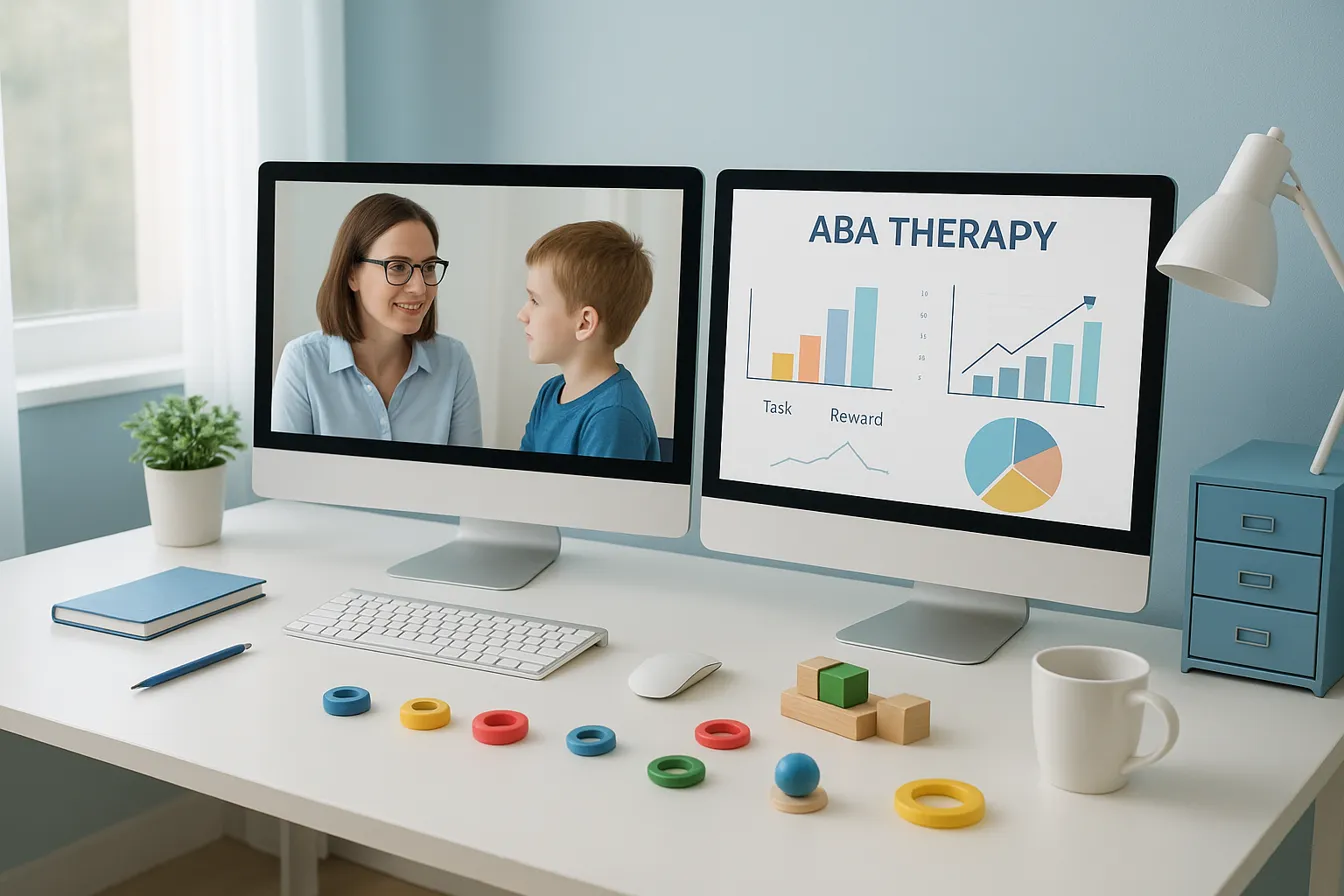
Introduction to Virtual ABA Therapy and Its Growing Importance
Understanding ABA Therapy
Applied Behavior Analysis (ABA) therapy is a scientifically validated approach designed to help individuals with autism spectrum disorder (ASD) develop essential skills. It focuses on modifying behaviors through reinforcement techniques, aiming to improve communication, social interaction, daily living, and reduce challenging behaviors.
What is Virtual ABA Therapy?
Virtual ABA therapy, also known as telehealth ABA, delivers these behavioral interventions remotely through secure video conferencing platforms. This format allows therapists to provide personalized, one-on-one care directly in the child’s home environment. Sessions incorporate evidence-based strategies like natural environment teaching (NET) and discrete trial training (DTT), ensuring effective skill acquisition.
Why Virtual ABA is Vital in Autism Care
Virtual ABA therapy has emerged as a crucial alternative—especially for families in rural or underserved areas—by eliminating barriers such as travel distance and wait times. It offers scheduling flexibility, increased parent involvement, and continuity of care even during emergencies like the COVID-19 pandemic. This remote model enhances accessibility while maintaining outcomes comparable to traditional, in-person therapy, offering families meaningful support tailored to their unique needs.
Understanding Applied Behavior Analysis (ABA) Therapy and Its Role in Autism Support

What is Applied Behavior Analysis (ABA) therapy and how does it help children with autism?
Applied Behavior Analysis (ABA) therapy is a scientifically supported method focused on understanding and modifying behaviors through environmental influences. It helps children with autism by teaching essential skills such as communication, social interaction, self-care, and daily living activities. ABA also aims to reduce harmful or challenging behaviors to improve the child's overall quality of life. Applied Behavior Analysis for Autism Spectrum Disorder
ABA therapy uses evidence-based techniques like positive reinforcement, prompting, discrete trial training (DTT), and natural environment teaching (NET). These methods are highly personalized and structured to meet the unique needs of each child. Therapy sessions can occur in various settings, including home, school, or community environments, allowing skill practice in real-life contexts. Applied Behavior Analysis for Autism Spectrum Disorder
Early and intensive ABA intervention is associated with significant improvements in developmental outcomes, including language development, social skills, and greater independence. Family involvement is integral to this approach, with parents and caregivers trained and coached to reinforce skills consistently outside therapy sessions. Ongoing assessment by licensed professionals ensures that therapy adapts to the child's progress and evolving needs. Parent and Caregiver Training
Through ABA therapy, children with autism are empowered to develop functional skills and reduce behaviors that interfere with learning and participation, supporting their ability to thrive socially and adaptively in their communities. ABA Therapy for Autism
Formats of ABA Therapy Offered by EverCare ABA: In-Home, Center-Based, and Virtual

What are the different formats of ABA therapy offered by EverCare ABA?
EverCare ABA provides multiple formats of Applied Behavior Analysis therapy designed to suit the individual needs of each child and their family. These include:
In-Home Therapy: Delivered in the child's natural environment, this setting fosters skill generalization and allows for active family participation. It creates a comfortable and familiar space for the child, enhancing engagement and the application of learned skills to daily life.
Center-Based Therapy: Conducted in a structured clinical or therapeutic center, this format offers access to specialized resources and promotes social skills through interactions with peers. It provides an environment with fewer distractions and targeted support.
Virtual ABA Therapy: Leveraging secure video conferencing platforms, virtual sessions deliver therapy remotely, increasing accessibility and scheduling flexibility. This format is especially beneficial for families facing logistical challenges, such as geographic barriers or transportation limitations. Virtual ABA complements the in-home and center-based formats by reinforcing skills in real time and enabling active parent coaching.
EverCare ABA emphasizes tailoring these therapy formats based on thorough assessments conducted by Board Certified Behavior Analysts. Combining various formats ensures a personalized and comprehensive treatment plan that maximizes developmental progress and supports the child’s and family’s goals.
Benefits of Virtual ABA Therapy: Accessibility, Effectiveness, and Family Involvement

How Effective Is Telehealth ABA Compared to In-Person Services?
Research consistently shows that Virtual ABA therapy can be just as effective as traditional face-to-face sessions. Studies confirm children with autism spectrum disorder (ASD) acquire communication, social, and adaptive skills similarly well whether therapy is delivered in person or through Applied Behavior Analysis for Autism Spectrum Disorder. Techniques like Natural Environment Teaching (NET) Telehealth and Discrete Trial Training (DTT) Telehealth are successfully adapted to remote settings, supporting mastery and retention of skills in natural home environments.
How Does Virtual ABA Increase Access for Underserved and Rural Families?
Benefits of Telehealth ABA Therapy eliminates geographical and transportation barriers that often prevent families in rural or underserved areas from accessing quality ABA services. By offering therapy via Secure Video Conferencing Therapy, children living far from clinics can receive consistent, specialized care in their own homes. This expanded accessibility reduces long waitlists and offers timely intervention, which is crucial for developmental progress.
What Is the Role of Parents in Virtual ABA Therapy?
Parents play an integral role in Telehealth ABA therapy by actively participating in sessions and learning to implement strategies at home. Providers like EverCare ABA emphasize family involvement through Caregiver Training in Telehealth, shared goal-setting, and ongoing communication. This engagement empowers caregivers to generalize skills beyond therapy sessions, reinforcing progress through daily routines and fostering a supportive, nurturing environment.
How Is Virtual ABA Cost-Effective and Convenient for Families?
Virtual ABA therapy benefits reduce expenses related to travel, missed work, and childcare by delivering services directly into families' homes. The convenience of flexible scheduling and elimination of commute time further alleviates common barriers. Cost savings combined with high-quality care make telehealth ABA an affordable option for many families seeking effective autism interventions.
How Does EverCare ABA Involve Families in the Therapy Process?
EverCare ABA recognizes the critical role families have in supporting successful outcomes. Their approach includes comprehensive Caregiver Training in Telehealth, ongoing guidance, and collaboration in goal-setting. This family-centered model ensures strategies are understood and implemented consistently, promoting skill generalization across environments. By fostering strong partnerships, EverCare ABA builds confidence in families and maximizes the child’s developmental gains.
Designing Individualized ABA Therapy Treatment Plans in a Virtual Setting
What components are included in an individualized ABA therapy treatment plan?
An individualized ABA therapy treatment plan begins with a comprehensive assessment that identifies each child’s unique strengths, challenges, and specific needs. This assessment guides the creation of targeted behavioral goals focusing on enhancing communication, social skills, and daily living activities.
Research shows that evidence-based strategies such as Discrete Trial Training (DTT) Telehealth and Natural Environment Teaching (NET) Telehealth are effectively adapted for virtual delivery. DTT uses structured, repetitive teaching trials to build skills, while NET promotes learning in natural, everyday settings to encourage generalization.
Data collection is a vital component, carried out regularly during virtual sessions to monitor progress and inform modifications. Digital platforms for ABA therapy enable efficient data tracking and allow therapists to analyze outcomes remotely.
A standout feature of virtual ABA is the active involvement of parents and caregivers, who receive coaching and support throughout therapy. Their participation reinforces skill practice between sessions and helps maintain consistency across home environments. See Parent Involvement in Telehealth ABA for more details.
Finally, partnering with a qualified provider—such as a Board Certified Behavior Analyst (BCBA)—who has experience with telehealth ensures the plan is personalized, effective, and promotes independence and confidence for the child.
Targeted Behaviors and Skills in Virtual ABA Therapy for Children with Autism
What types of behaviors and skills does ABA therapy target in children with autism?
ABA therapy focuses on a wide range of behaviors and skills that are critical for the development and independence of children with autism. One of the primary targets is communication skill development, which includes teaching both verbal language and alternative communication methods to help children express needs and interact effectively with others.
Social interaction skills are also emphasized, helping children engage with peers and adults through improved eye contact, turn-taking, and understanding social cues. Adaptive behaviors receive attention too, which include essential daily skills such as toileting, dressing, hygiene, and safety awareness.
Reducing challenging behaviors is another important focus of ABA therapy. This involves identifying triggers and teaching positive replacement behaviors to decrease occurrences of tantrums, aggression, or self-injury.
Lastly, ABA therapy supports improving daily living and academic skills. This can cover task completion like following directions, participating in classroom activities, and mastering age-appropriate routines necessary for community involvement.
Individualized goals are carefully designed, measurable, and broken down into small, manageable steps to ensure meaningful progress tailored to each child's unique strengths and needs. Virtual ABA therapy effectively continues this work in the familiar home environment, allowing skill mastery and generalization.
| Target Area | Examples of Skills/Behaviors | Purpose and Benefits |
|---|---|---|
| Communication Skills | Verbal speech, sign language, PECS | Enables expression of needs and social interaction Benefits of Telehealth ABA Therapy |
| Social Interaction & Adaptive Behavior | Eye contact, sharing, toileting, dressing | Builds relationships and independence in daily life Telehealth for Autism Skill Mastery |
| Challenging Behavior Reduction | Tantrum control, aggression management | Promotes safety and prosocial alternatives Telehealth in ABA during COVID-19 |
| Daily Living & Academic Skills | Following directions, hygiene, classroom routines | Supports participation in home, school, and community Daily Living Skills Telehealth Interventions |
Overcoming Challenges and Considerations in Delivering Virtual ABA Therapy

What Technology Requirements and Connectivity Issues Affect Virtual ABA Therapy?
Successful virtual ABA therapy depends heavily on reliable technology, including stable internet connections and appropriate devices such as computers, tablets, or smartphones. Poor connectivity, power outages, or outdated equipment can disrupt sessions and hinder progress. Providers typically use HIPAA-compliant ABA software platforms like Zoom or Skype to ensure secure and confidential communication. Families should prepare by testing audio-visual setups and internet stability before sessions to minimize interruptions.
How Can Environmental Distractions Be Managed During Virtual Sessions?
Distraction-free environments are crucial for effective virtual ABA therapy. Children participating from home may face interruptions from siblings, pets, or household noises. Therapists recommend designating a quiet, organized space for therapy with minimal visual or auditory distractions. The use of digital tools such as visual timers, screen management apps, and sensory-friendly accessories like noise-canceling headphones further help maintain focus and engagement during sessions.
Why Are Parent and Caregiver Training and Involvement Essential?
Unlike in-person therapy, virtual ABA heavily relies on parent or caregiver involvement to facilitate sessions and reinforce skills throughout daily routines. Training caregivers in ABA techniques, session preparation, and behavior reinforcement empowers families and promotes consistency and skill generalization. Real-time coaching through telehealth platforms allows therapists to guide parents effectively and tailor strategies to the child’s individual needs.
What Are the Privacy and Legal Compliance Considerations?
Providers must comply with legal and privacy regulations, especially HIPAA, using secure, encrypted telehealth software to protect sensitive health information. Transparency regarding data handling, storage, and confidentiality is critical. Families should inquire about privacy policies and ensure their telehealth provider adheres to the highest standards to maintain trust and safeguard personal data.
By addressing these challenges through careful planning, training, and the use of appropriate technology, virtual ABA therapy offers an accessible, effective, and family-centered approach for children with autism.
Insurance, Financial Support, and Navigating Coverage for Virtual ABA Therapy

What Insurance Options Are Available for Virtual ABA Therapy in the U.S.?
Virtual ABA therapy coverage has expanded significantly in the United States, particularly since the COVID-19 pandemic. Many insurance providers now include Virtual ABA therapy services under their benefits, influenced by federal and state mandates such as the 50-State Coverage Mandate for autism treatments. Medicaid also plays a crucial role, offering coverage for eligible individuals. This broadened insurance landscape helps families access therapy across rural and underserved areas, overcoming traditional barriers like travel and waitlists.
How Do Providers Assist Families with Insurance and Benefits?
Providers like EverCare ABA offer valuable support to families navigating the complexities of insurance and financial matters. They guide parents through understanding coverage options, verifying eligibility, and managing documentation requirements. EverCare ABA also assists with authorizations and appeals processes when coverage issues arise. This personalized support empowers families to secure needed therapy and reduces confusion around insurance limits such as visit caps.
What Are the Cost Savings Associated with Virtual ABA Therapy?
Virtual ABA therapy can be significantly more affordable than in-person services. It eliminates costs linked to travel, childcare, and missed work hours. Studies estimate that telehealth ABA may cost up to six times less than traditional face-to-face therapy, making services more accessible for many families. Flexible scheduling further adds financial and logistical convenience.
How Can Families Overcome Financial Barriers?
Despite expanded coverage, some financial challenges remain, such as variance in insurance reimbursement and technology access needs. Providers help families by offering transparent information about costs, exploring insurance benefits thoroughly, and connecting them with supplemental resources where available. Active family involvement in therapy also enhances value and progress, maximizing the investment in virtual ABA.
| Aspect | Highlights | Impact on Families |
|---|---|---|
| Insurance Coverage | State mandates, Medicaid, pandemic expansions | Increased access, reduced out-of-pocket costs |
| Provider Support | Eligibility verification, documentation, appeals | Reduced stress, smoother authorization |
| Cost Savings | Eliminated travel, lower overhead | More affordable therapy options |
| Financial Solutions | Transparent costs, resource connections | Minimized financial barriers |
Success Stories and the Importance of a Compassionate, Family-Centered Approach in Virtual ABA
What are some success stories that demonstrate the effectiveness of ABA therapy?
Many children undergoing ABA therapy for autism have shown remarkable progress in communication, social skills, and daily independence. For instance, Liam acquired verbal communication skills, Ava succeeded in reducing aggressive behaviors, and Ethan improved his ability to perform daily living tasks independently. These examples illustrate the power of Personalized ABA treatment plans tailored to the child's unique needs, whether delivered in-home, virtually, or in clinics. Active family involvement empowers parents to continue reinforcing learned skills beyond sessions, enhancing their child’s progress across settings.
Why is a compassionate and family-centered approach important in autism therapy?
A compassionate, family-centered approach treats families as partners in therapy, valuing their insights and priorities. This collaboration ensures interventions are meaningful and adapted to each child's environment. Such a model provides families with emotional support, practical resources, and education, boosting their confidence and reducing stress. It also promotes consistency, as parents learn to implement strategies alongside therapists, leading to sustainable improvements. Trust and open communication fostered in this partnership are essential for long-term developmental success. For more on this, see Telehealth Services in ABA Therapy.
What parental perspectives highlight the benefits of virtual ABA therapy?
Parents often report increased understanding of therapy goals and techniques when involved in virtual ABA therapy. This direct involvement not only deepens their engagement but also makes it easier to integrate interventions naturally into daily routines at home. Many families appreciate the convenience and safety of virtual therapy, especially in underserved or rural areas, where in-person access is limited. The flexibility of scheduling and reduced travel burden help maintain consistent therapy, important for steady progress.
What are the long-term developmental advantages of a family-centered ABA approach?
Involving families compassionately in therapy supports lasting gains by encouraging skill generalization to natural environments. Consistent reinforcement across home, school, and community settings helps children maintain communication, social, and adaptive skills. Moreover, family-centered care builds caregivers’ problem-solving abilities, allowing them to address challenges proactively. Over time, this approach nurtures greater independence and improved quality of life for children with autism, with sustained support extending well beyond formal therapy sessions. Learn more in Applied Behavior Analysis for Autism Spectrum Disorder.
Looking Ahead: The Future of Virtual ABA Therapy in Autism Care
Technological Advancements and Integration
Virtual ABA therapy is set to benefit greatly from innovations such as virtual reality (VR), remote monitoring devices, and artificial intelligence (AI). These tools enhance engagement, allow for realistic social skill simulations, and support more personalized interventions. Improved graphics, interactive features, and sensory-friendly designs are making VR particularly promising for children with autism.
Evolving Insurance and Legislative Support
Insurance coverage for virtual ABA services is expanding, with many providers including Medicaid and private insurers now offering reimbursement. Legislative changes continue to support telehealth integration, making virtual therapy a sustainable and accessible care option for more families across the United States.
Expansion of Access and Quality of Care
By overcoming geographic and transportation barriers, virtual ABA therapy reaches underserved and rural communities that previously had limited options. Its flexible scheduling and family-centered approach encourage parent involvement, fostering skill generalization in natural settings. Ongoing research and technological improvements ensure virtual interventions maintain or even enhance treatment outcomes compared to in-person therapy.


Ready To Begin
Get the Support Your Child Truly Deserves
Start your journey with EverCare ABA today. Our team will answer questions, verify insurance, and guide you through every step—so your child can begin thriving with the care they need.