Our Blog

Understanding Feeding Therapy: How It Helps Children with Sensory Challenges
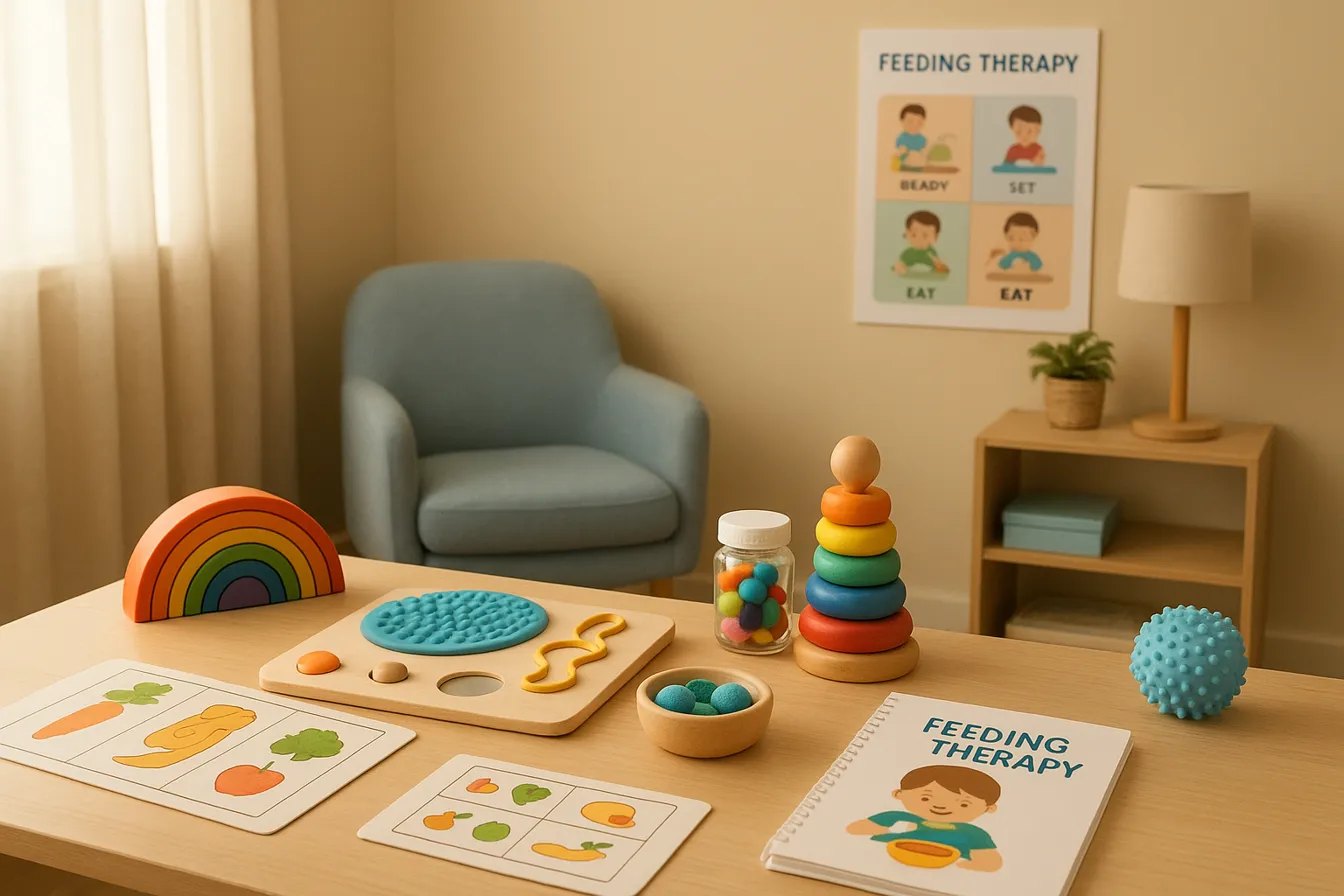
The Importance of Feeding Therapy for Children with Sensory Challenges
What Is Feeding Therapy?
Feeding therapy is a specialized, evidence-based approach designed to help children overcome difficulties related to eating and mealtime behaviors. It focuses on expanding food acceptance, improving oral motor skills like chewing and swallowing, and addressing food aversions or sensory sensitivities.
How Common Are Feeding Challenges in Children with Sensory Issues?
A significant number of children, particularly those with sensory processing difficulties or autism, experience feeding challenges. Studies estimate that up to 70-90% of children with autism face feeding problems such as selective eating, food refusal, or texture aversions. Sensory issues often underlie these behaviors, making feeding therapy a crucial intervention.
Sensory Processing and Its Impact on Feeding
Sensory processing difficulties influence how children perceive and respond to food characteristics like texture, taste, smell, and temperature. For children with sensory food aversions or sensitivities, feeding can provoke discomfort, gagging, or refusal behaviors. Sensory processing disorders may present as hypersensitivity or diminished responsiveness to sensory input, leading to challenges in tolerating a wide range of foods.
Goals of Feeding Therapy
The fundamental goals of feeding therapy include:
- Assisting children in tolerating and accepting various food textures and flavors
- Improving oral motor skills such as chewing and swallowing
- Reducing problematic mealtime behaviors like tantrums or food refusal
- Encouraging self-feeding skills and independent eating
- Promoting positive and stress-free mealtime experiences
By addressing these areas, feeding therapy helps support nutritional health and enhances overall quality of life for both children and their families.
Sensory Processing Disorders and Their Impact on Feeding

What is Sensory Processing Disorder and What Are Its Types?
Sensory Processing Disorder (SPD) affects how the brain interprets sensory inputs like sight, sound, touch, taste, and smell. It presents in three primary patterns:
- Sensory modulation disorder (SMD): Difficulties regulating responses to sensory stimuli, resulting in over- or under-reactivity.
- Sensory-based motor disorder (SBMD): Challenges affecting movement coordination and posture influenced by sensory input.
- Sensory discrimination disorder (SDD): Difficulty distinguishing between different sensory stimuli, impacting responses.
SPD can strongly influence a child's daily routines, including eating habits.
How Do Sensory Symptoms Manifest During Feeding?
Children with sensory challenges may display heightened sensitivities or aversions to specific food textures, tastes, smells, or even the visual appearance of meals. This can cause refusal to try new foods, gagging, or distress during mealtimes. Sensory sensitivities may also affect oral motor skills needed for chewing and swallowing.
What Are Common Signs of Sensory-Related Feeding Problems?
Signs to watch for include:
- Strong texture or smell preferences
- Gagging or spitting out foods
- Avoidance or refusal of food
- Difficulty with self-feeding and oral exploration
- Mess sensitivity and distress at mealtime
- Extended mouthing or food pocketing
Recognizing these allows early intervention to address feeding challenges. Such signs are well covered in resources on Signs of sensory-related feeding problems.
What Role Do Sensory-Based Feeding Interventions Play?
Sensory Based Feeding Intervention focuses on gradually helping children become more comfortable with different foods and textures. Techniques include structured, play-based approaches like the SOS Approach to Feeding. Occupational therapists often lead these interventions, targeting sensory processing, oral motor skills, and behavior simultaneously.
While immediate changes in sensory processing measures may be subtle, behavioral improvements such as reduced food refusal, increased acceptance, and better mealtime routines are substantial. These interventions are safe and effective components of a Multidisciplinary Treatment for Feeding Problems.
What is Applied Behavior Analysis (ABA) Therapy and How Does It Benefit Children with Autism?
ABA feeding therapy is an evidence-based approach that uses reinforcement strategies and behavioral principles to improve social, communication, and learning skills in children with autism. For feeding challenges, ABA addresses food refusal, picky eating, and mealtime behavioral difficulties by breaking down feeding tasks into manageable steps, promoting positive behaviors, and reducing anxiety.
Early ABA therapy enhances skill development, independence, and social interaction, supporting children to improve their nutrition and mealtime experiences. Parent involvement and consistency in applying techniques at home are crucial for lasting success.
Key Approaches in Sensory-Based Feeding Therapy

Overview of the SOS (Sequential Oral Sensory) Approach
The SOS Approach to Feeding is a multidisciplinary, sensory-based method designed to address Feeding Difficulties in Toddlers and children. It evaluates multiple factors such as Sensory Processing and Feeding, oral motor skills, behavior, cognition, nutrition, and environment. Therapy using this approach gradually increases a child's comfort with various foods and textures through a structured, play-based framework that respects developmental stages.
Role of Occupational Therapy in Sensory Feeding Interventions
Occupational therapists in SPD trained in the SOS Approach to Feeding lead interventions to improve Improving Mealtime Behaviors. Sessions typically last about one hour and may be performed frequently to maximize effect. These therapists assess sensory responses and oral motor skills, providing individualized treatment to support feeding tolerance and positive eating experiences.
Sensory Integration and Oral Motor Exercises
Sensory processing challenges and feeding therapy helps children adapt to different food textures, flavors, and temperatures by reducing hypersensitivity. Oral motor exercises play a vital role in strengthening muscles involved in chewing and swallowing, which decreases the risk of choking and gagging and supports safer, more effective feeding.
Gradual Exposure to New Foods and Textures
A hallmark of Sensory Based Feeding Intervention is the gradual introduction of new foods. This step-by-step exposure starts with food exploration like touching and smelling, progresses to tasting, and ultimately leads to eating. This gradual process reduces anxiety and resistance, facilitating acceptance and expanding dietary variety.
Safety and Developmental Appropriateness
Interventions are tailored to be developmentally appropriate and safe, emphasizing skills such as self-feeding, appropriate posture at the table, and safe swallowing. Sensory-based Feeding Therapy has demonstrated significant improvements in mealtime behavior without adverse effects, making it a practical component of Multidisciplinary Treatment for Feeding Problems.
The Role of ABA Therapy in Addressing Feeding Challenges
What is Applied Behavior Analysis (ABA) therapy and how does it benefit children with autism?
Applied Behavior Analysis (ABA) therapy is a scientifically validated approach tailored to improve social, communication, and learning skills in children with autism. It is highly individualized, using techniques such as positive reinforcement, prompting, and functional communication training to encourage positive behaviors and reduce challenges. Early and intensive ABA intervention, often initiated before age six, can significantly boost a child's development and help them integrate into mainstream environments.
How does ABA therapy address feeding challenges?
ABA feeding therapy applies behavior analytic principles specifically to feeding difficulties common in children with autism. These challenges often arise due to sensory sensitivities, food aversions, or behavioral resistance during mealtimes.
Key behavioral interventions employed include:
- Positive reinforcement to encourage accepting new foods and desired mealtime behaviors.
- Escape extinction to reduce food refusal by minimizing avoidance of eating tasks.
- Stimulus fading which gradually introduces new food textures or tastes to increase acceptance.
Therapists use task analysis, breaking down eating into small, manageable steps that build skills progressively. Structured routines and calm, distraction-free environments during meals reduce anxiety and sensory overload, fostering more positive eating experiences.
What role do parents and families play in ABA feeding therapy?
Parent training is essential; caregivers learn strategies to consistently reinforce progress and manage feeding behaviors at home. Family involvement ensures therapy techniques generalize beyond sessions, making improvements more sustainable. Visual schedules and behavioral contracts help prepare children for mealtime expectations and support consistency.
What benefits can ABA feeding therapy provide?
Through personalized, data-driven interventions, ABA therapy helps reduce anxiety and mealtime stress, expand food variety, and improve nutritional intake. It also fosters better social and communication skills during meals. Many children demonstrate meaningful progress within weeks to months, enhancing their overall health and family well-being.
| ABA Feeding Therapy Component | Purpose | Benefits |
|---|---|---|
| Positive Reinforcement | Encourage desired eating behaviors | Increases food acceptance and mealtime cooperation |
| Escape Extinction | Reduce food refusal behaviors | Decreases avoidance and refusal episodes |
| Stimulus Fading | Gradual introduction of new foods/textures | Expands diet variety and tolerance |
| Task Analysis | Break feeding into teachable steps | Builds chewing, swallowing, self-feeding skills |
| Parent Training | Equip caregivers with techniques | Ensures therapy consistency and progress at home |
ABA therapy provides a compassionate, evidence-based framework that effectively supports children with autism in overcoming feeding difficulties while actively involving families in the therapeutic journey.
Creating Personalized Treatment Plans for Feeding Therapy Success

Importance of individualized assessment
Effective ABA feeding therapy starts with a detailed personalized assessment. This evaluation identifies the child's unique feeding challenges, sensory sensitivities, oral motor skills, behavioral patterns, and environmental influences. By understanding these aspects, therapists can tailor interventions to meet the child’s specific needs, rather than applying generic approaches. This precision enhances therapy relevance and effectiveness.
Incorporating sensory, motor, behavioral, and environmental factors
Personalized treatment plans incorporate multiple factors affecting feeding. Sensory processing difficulties, such as food texture sensitivities, are addressed alongside oral motor skills development like chewing and swallowing. Behavioral issues including food refusal or tantrums are managed through reinforcement and behavior shaping techniques. Environmental factors, such as mealtime routines and calming settings, are optimized to reduce anxiety and distractions, supporting the child's progress.
Use of multidisciplinary teams
A collaborative multidisciplinary team enriches the personalization process. Occupational therapists, speech-language pathologists, nutritionists, behavior analysts, and medical professionals each contribute expertise. This coordinated effort ensures comprehensive care addressing all aspects of feeding difficulties, from physiological to behavioral, increasing the likelihood of successful outcomes.
Adjusting plans based on progress and data collection
Data collection is integral to personalized treatment. Continuous monitoring through food journals, behavior tracking, and clinical assessments informs necessary adjustments to interventions. This dynamic process allows therapists to refine strategies, introducing new foods gradually and reinforcing positive behaviors, resulting in steady progress that is monitored and supported.
Family collaboration and impact on therapy outcomes
Family involvement is fundamental in personalized feeding therapy. Parents and caregivers receive training to implement strategies consistently at home, create supportive mealtime environments, and reinforce skills learned in therapy sessions. This collaboration promotes generalization of behaviors, reduces mealtime stress, and sustains long-term improvements in feeding success.
How does a personalized treatment plan improve the effectiveness of ABA therapy for children with autism?
A personalized treatment plan enhances the effectiveness of ABA feeding therapy by tailoring goals, strategies, and interventions to each child's unique strengths, challenges, and interests. Through comprehensive assessments and ongoing data-driven adjustments, therapy targets meaningful feeding skills and behaviors. Engaging families ensures consistency across settings, reinforcing progress and fostering motivation. Consequently, this individualized approach leads to improved independence, nutrition, and quality of life for children with autism.
Diverse Delivery Formats and the Importance of Family Engagement
What are the different formats in which ABA therapy can be delivered to children with autism?
ABA therapy is offered through multiple formats designed to meet the unique needs of each child and family. In-home therapy is one common approach, delivering services right in the child's natural environment to foster comfort and daily routine integration. Telehealth or virtual sessions provide flexible access to therapy, removing geographical barriers and allowing families to participate from home. Center-based programs offer structured settings with specialized equipment and trained staff, ideal for intensive skill-building. Additionally, therapies can be embedded into everyday activities through Natural Environment Teaching (NET), making learning functional and contextually relevant.
Each format supports personalized intervention targeting communication, social skills, feeding behaviors, and more, with an emphasis on creating lasting improvements. For additional details, see Behavioral Approach to Feeding Therapy.
Why is family involvement important in ABA therapy for children with autism?
Family engagement is critical to the success of ABA therapy. Active participation by parents and caregivers allows skills learned during sessions to be practiced throughout the day, reinforcing progress and promoting generalization across settings. Parental involvement has been shown to enhance communication development, reduce challenging behaviors, and empower families with strategies for managing feeding challenges and sensory sensitivities.
Training parents in ABA techniques—such as positive reinforcement and structured routines—ensures consistent support and helps address obstacles like food aversions or mealtime anxiety. Moreover, family-centered care fosters confidence and collaboration between therapists and caregivers, tailoring interventions to each child’s real-world needs. For more on family involvement and feeding therapy, review The Role of ABA Therapy in Addressing Food Aversion and Mealtime Behaviors.
How does EverCare ABA support families navigating autism care and insurance options?
EverCare ABA offers comprehensive assistance to families navigating the complexities of autism care, including understanding insurance benefits and therapy coverage. They guide parents through the claims process and provide detailed explanations of available services, helping reduce stress associated with accessing care.
The program also emphasizes coaching parents in ABA methods so they can reinforce strategies at home effectively. This partnership enables better skill carryover and sustained improvements. By supporting families both practically and educationally, EverCare ABA ensures that children receive consistent, high-quality care in flexible formats best suited to their needs. For related insights on pediatric feeding disorders and ABA, see Applied Behavior Analysis for Feeding Disorders.
Practical Strategies for Parents to Support Feeding Therapy at Home
What are some practical tips for parents to reinforce ABA therapy techniques at home?
Parents play a crucial role in reinforcing ABA feeding therapy techniques beyond the clinical setting. Maintaining consistent daily routines and using visual schedules can help children anticipate mealtimes, reduce anxiety, and build independence.
Incorporating therapy strategies into everyday activities—such as involving children in meal preparation or practicing small feeding steps during snack times—promotes generalization of skills. Breaking down feeding tasks into manageable steps allows children to experience success and build confidence gradually.
Positive reinforcement is essential. Immediate praise, favorite activities, or small rewards encourage children to repeat desired behaviors, increasing motivation and reducing feeding challenges.
Collaborating closely with therapists ensures that parents correctly implement techniques tailored to their child's unique needs. Regular communication helps adjust strategies based on the child's responses and progress.
Consistent practice at home, patience, and celebrating even small improvements foster lasting development and create a positive mealtime environment that supports the child's nutritional and social growth.
Looking Ahead: Research and Long-Term Benefits of Feeding Therapy

Current Evidence Supporting Feeding Therapy Effectiveness
Feeding therapy, particularly Sensory-Based Feeding Therapy and ABA feeding therapy, has demonstrated significant improvements in mealtime behaviors among toddlers and children with feeding difficulties. Studies reveal better parent and child feeding interactions and reduction of Food Refusal in Toddlers shortly after therapy interventions, underscoring the effectiveness of these evidence-based practices.
Needs for Long-Term Follow-Up and Larger Studies
While immediate behavioral improvements are documented, there is a recognized need for long-term follow-up to assess sustained benefits. Larger sample sizes and extended research periods are necessary to fully understand how feeding therapy impacts sensory processing, behavioral maintenance, and Feeding Skills Development in Toddlers over time.
Potential Impacts on Nutrition, Growth, and Development
Current evidence shows that feeding therapy improves mealtime behavior, but changes in anthropometric measures like height and weight may not be immediately apparent. Continued evaluation is important to explore how enhanced feeding behaviors translate to better Nutritional Outcomes of Feeding Therapy, growth, and overall developmental progress in children.
Importance of Early Intervention and Multidisciplinary Care
Early identification and intervention remain critical for optimal outcomes. Feeding therapy benefits from collaboration among therapists, nutritionists, medical providers, and families to address sensory, motor, behavioral, and environmental factors comprehensively, ensuring personalized care tailored to each child's needs through Multidisciplinary Treatment for Feeding Problems.
Promising Tools Like MealSense© for Parent Education
Innovative resources such as MealSense© online parent education program provide accessible, evidence-based parent education consistent with sensory integration principles. These tools support families in reinforcing feeding strategies at home, promoting skill generalization and enhancing the effectiveness of direct therapy services.
Feeding Therapy: Empowering Families and Enhancing Child Development
Feeding Therapy Benefits for Children with Sensory Challenges
Feeding therapy is a specialized approach designed to help children, especially those with sensory processing difficulties, overcome feeding problems such as food refusal, picky eating, and texture aversions. These difficulties can lead to nutritional deficiencies and mealtime stress. Through tailored interventions, feeding therapy improves sensory tolerance, expands food variety, and develops essential eating skills like chewing, swallowing, and self-feeding.
Integrating ABA and Sensory-Based Approaches
Applied Behavior Analysis (ABA) works effectively alongside sensory-based methods like the Sequential Oral Sensory (SOS) Approach to address feeding challenges. ABA uses reinforcement, task analysis, and behavior modification to gradually increase food acceptance and reduce anxious or avoidant behaviors during mealtime. Sensory-based techniques focus on improving a child’s comfort with different textures and sensory experiences, helping to decrease food aversion.
Individualized Care and Family Involvement
Successful feeding therapy hinges on personalized treatment plans that consider each child’s unique sensory needs and developmental stage. Caregivers play a vital role; family involvement in therapy sessions and structured, consistent routines at home reinforce positive behaviors and support lasting progress. Therapists often provide training and resources to empower families in managing feeding challenges.
Encouragement to Seek Professional Support
Families facing feeding difficulties are encouraged to collaborate with pediatric feeding therapists, occupational therapists, speech-language pathologists, and behavior analysts. Early and comprehensive intervention fosters healthier mealtime experiences, promotes nutritional well-being, and enhances overall child development in a compassionate, supportive environment.


Ready To Begin
Get the Support Your Child Truly Deserves
Start your journey with EverCare ABA today. Our team will answer questions, verify insurance, and guide you through every step—so your child can begin thriving with the care they need.