Our Blog

Virtual ABA Therapy: Overcoming Common Accessibility Challenges
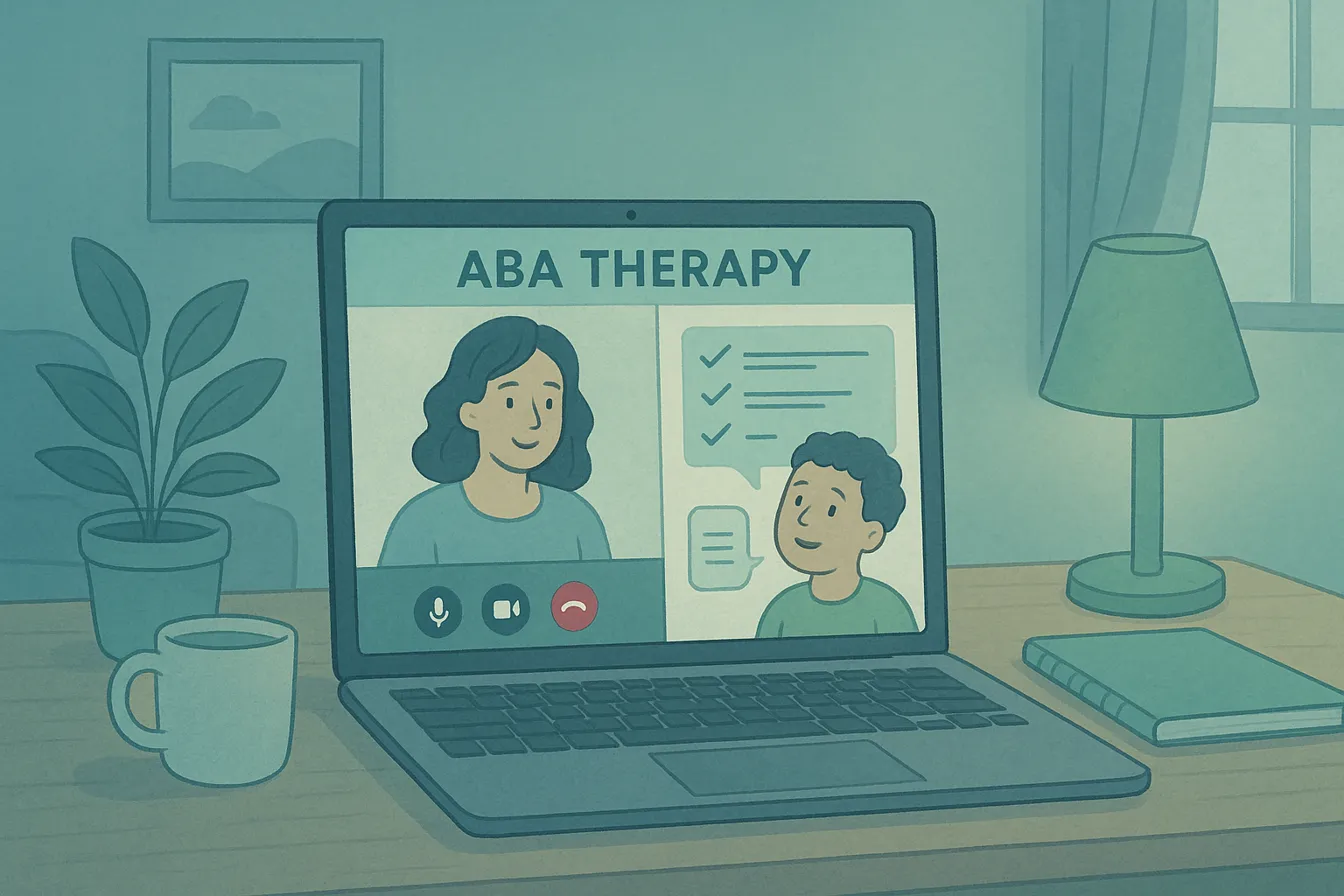
Understanding ABA Therapy and Its Impact
What is ABA Therapy?
Applied Behavior Analysis (ABA) therapy is a scientifically proven approach to support children with autism spectrum disorder (ASD). It focuses on improving communication, social skills, daily living abilities, and reducing challenging behaviors through structured behavioral strategies.
Benefits for Children with Autism
ABA therapy offers significant benefits by teaching essential skills that help children engage more effectively with their environment and enhance their independence. Children often experience improvements in social interaction, language development, and adaptive behaviors. Telehealth ABA even offers these benefits remotely, increasing accessibility for families nationwide.
Key Techniques and Family Involvement
ABA therapy uses strategies such as discrete trial training (DTT) and natural environment teaching (NET) to build skills in a child’s daily surroundings. Central to ABA’s success is active family participation. Parents receive coaching and training to reinforce therapy methods during everyday routines, promoting skill generalization and lasting progress.
By combining evidence-based techniques with strong caregiver engagement, ABA therapy creates a personalized approach that supports meaningful development tailored to each child’s unique needs.
The Role of Virtual ABA Therapy in Overcoming Geographic Barriers

Accessibility for Rural and Underserved Families
Virtual ABA therapy significantly enhances access to essential autism services for families living in rural and underserved areas. By delivering therapy directly to the home through Secure HIPAA-compliant videoconferencing for ABA, it removes the common barriers posed by distance and limited local resources. This means children in remote communities can access qualified behavior analysts without the constraints of geographic isolation.
Elimination of Travel and Transportation Challenges
One of the most impactful benefits of Telehealth in ABA therapy is the elimination of travel needs. Families no longer have to face long commutes or transportation difficulties that often disrupt regular therapy schedules. This convenience reduces stress for both children and caregivers, allowing therapy to blend smoothly into daily routines.
Reach of Providers Beyond Local Areas
Telehealth ABA therapy benefits expands the reach of qualified ABA providers across state lines and regions where specialists may be scarce. This broadens the pool of available experts, enabling families to receive personalized, high-quality care that might otherwise be inaccessible locally.
Combating Long Waitlists
Telehealth ABA therapy benefits helps address the challenge of excessive waitlists for in-person clinics by allowing children to begin intervention much sooner. Access to remote providers can dramatically shorten wait times, which is critical in early intervention for autism.
How Does EverCare ABA Help Families Navigate Insurance and Payment Options for Autism Therapy Services?
EverCare ABA supports families by providing clear guidance to understand their insurance benefits related to autism therapy, assisting with coordination and communication with insurance companies. Their expertise helps families maximize coverage, manage claims, and navigate appeals, easing the financial and administrative burden often associated with accessing ABA services.
This combination of accessible, flexible, and cost-effective Virtual ABA therapy is transforming how children with autism receive care across the United States, particularly benefiting those facing geographic and systemic barriers.
Tailoring Individualized Treatment Plans Through Telehealth

How are comprehensive assessments conducted remotely?
Comprehensive assessments are the foundation of individualized ABA therapy for autism spectrum disorder treatment plans. Through secure digital platforms for ABA, therapists observe the child in their natural environment, gathering insights into strengths, challenges, and behavioral patterns. Parent questionnaires for ABA assessment and standardized questionnaires conducted remotely contribute valuable information, ensuring a holistic understanding without requiring travel.
What role does customized goal setting play?
Based on thorough assessments, treatment plans are tailored with specific, measurable goals that reflect the child’s developmental stage, unique needs, and family priorities. Goals are developed collaboratively with families, incorporating personal interests to enhance motivation and engagement. This customized approach ensures that therapy is meaningful and relevant, consistent with Tailored teletherapy sessions and Individual ABA treatment plans.
How is data tracking and progress monitoring managed?
Telehealth platforms enable continuous data collection in real time during sessions, as well as asynchronous tracking through digital tools. Therapists analyze this ongoing data to monitor skill acquisition and behavior changes. Regular reviews facilitate adjustments to treatment goals, promoting responsiveness and ensuring steady progress tailored to each child’s evolving needs, aligning with Monitoring and Data Collection in ABA.
How is family input integrated into the process?
Family collaboration is central to effective parent involvement in remote ABA therapy. Caregivers receive coaching and training during sessions to implement strategies confidently at home. Their observations and feedback are actively incorporated to refine intervention plans, encouraging consistent practice and generalization of skills within daily routines.
This comprehensive, flexible telehealth ABA therapy approach mirrors the individualization hallmark of in-person therapy, empowering families and supporting meaningful outcomes for children with autism.
Therapy Delivery Models: Balancing In-Home, Virtual, and Center-Based Approaches

What therapy delivery models does EverCare ABA offer and how do they support family involvement?
EverCare ABA provides a flexible range of therapy delivery models, including in-home, virtual (telehealth), and center-based sessions. This variety allows families to select the option that best fits their logistical needs and comfort levels while maintaining consistent therapy quality.
In-home therapy places the child in their natural environment, which aids in contextual learning and facilitates skill generalization to daily routines. Parents and caregivers are directly involved during sessions, receiving real-time coaching and training to implement ABA strategies effectively at home. This approach aligns with Caregiver participation in telehealth sessions and Parent involvement in Telehealth ABA.
Virtual therapy leverages secure video conferencing platforms to connect therapists with children and families remotely. This format enhances accessibility, especially for families in remote or underserved areas, and embeds family participation as a core component. Caregivers engage actively during sessions, fostering better skill reinforcement beyond therapy times. This is supported by research on Telehealth ABA therapy benefits, Benefits of telehealth for ABA therapy, and Caregiver coaching in telehealth ABA.
Center-based therapy offers structured environments guided by professionals, suitable for children who benefit from specialized equipment or peer interaction.
Increasingly, EverCare ABA supports hybrid models that combine virtual and in-home or center-based approaches. These models deliver the convenience of remote sessions while allowing periodic face-to-face interactions to assess progress and adjust treatment plans. Hybrid therapy provides personalized, adaptable care that maximizes family involvement and child engagement.
Through these models, EverCare ABA empowers families with training and support to become active partners in therapy, improving outcomes and promoting meaningful skill development in natural settings. This is consistent with best practices in Parent-led ABA interventions success and Family involvement in virtual ABA sessions.
Enhancing Parent Training and Engagement with Telehealth Tools

How Does Real-Time Coaching and Feedback Strengthen Parent Training?
Telehealth ABA parent training leverages video conferencing technology to provide parents with immediate coaching and feedback during sessions. This real-time interaction in Telehealth ABA allows therapists to observe parent implementation of strategies and offer constructive guidance, ensuring high fidelity to intervention plans. Prompt adjustments help parents refine their skills and address challenges as they arise, leading to more effective support for their child's development.
What Interactive Digital Platforms and Tools Support Parent Engagement?
Various digital platforms enhance Technology in virtual ABA therapy by offering interactive modules, video recordings, and data tracking tools. These resources allow parents to learn at their own pace, review sessions, and monitor their child's progress through user-friendly dashboards. Technology such as visual timers, digital reinforcement systems, and gamified learning apps help make therapy engaging for children while empowering parents to actively participate in skill development.
How Does Telehealth Boost Parent Confidence and Satisfaction?
Parents report increased confidence when guided through Telehealth ABA parent training because they receive ongoing support tailored to their family’s routines. Training in the child’s ABA skills in natural home environment allows for immediate application of therapeutic strategies, which leads to visible progress and greater satisfaction. The convenience of remote sessions also reduces stress related to travel and scheduling, encouraging consistent participation and collaboration with therapists.
In What Ways Does Telehealth Foster Skill Generalization at Home?
By involving families directly in therapy within their home settings, telehealth promotes Generalization of skills in ABA Therapy across daily routines. Caregivers learn to reinforce behaviors in real time, making learning contextually relevant and sustainable. This family-centered approach helps children apply new abilities across multiple environments, supporting long-term developmental gains.
Why is Family-Centered Care Important in the Development Journey of Children with Autism?
Family-centered care places families at the core of therapy. It promotes tailored interventions within the child's natural environment and fosters consistent skill reinforcement. This approach empowers caregivers with strategies to support progress effectively, enables better communication with therapists, and strengthens family bonds, all of which contribute to improved developmental outcomes.
| Aspect | Telehealth Application | Impact |
|---|---|---|
| Real-Time Coaching | Live video feedback and adjustment | Enhances parent skill accuracy and responsiveness |
| Digital Tools | Interactive modules, data dashboards, and gamified apps | Increases engagement and supports consistent practice |
| Parent Confidence and Satisfaction | Flexible scheduling, home-based sessions | Promotes sustained involvement and reduces caregiver stress |
| Skill Generalization | Therapy in natural home environments | Facilitates application of skills across settings |
Addressing Common Technological and Privacy Challenges in Virtual ABA
Ensuring Stable Internet and Devices
Reliable internet connectivity and appropriate devices are essential for successful virtual ABA therapy sessions. Families should use high-speed broadband and ensure their computers, tablets, or smartphones are functioning properly with working cameras and microphones. Testing equipment ahead of sessions helps avoid interruptions and supports smooth, real-time interaction in Telehealth ABA with therapists.
Creating Distraction-Free Environments
Minimizing distractions in the child’s therapy space enhances engagement and focus. A quiet, clutter-free room with limited background noise is ideal. Utilizing sensory aids such as noise-canceling headphones can further support attention during sessions, ensuring the child benefits fully from interventions delivered remotely. These are examples of engagement tools for autism therapy.
HIPAA-Compliant Platforms and Data Security
Telehealth ABA must adhere to strict privacy standards using secure HIPAA-compliant videoconferencing for ABA. These platforms protect confidential information and maintain the integrity of therapy data. Providers implement encryption, secure login protocols, and data storage policies to safeguard family and child information throughout treatment.
Best Practices for Overcoming Technical Obstacles
Therapists and families collaborate to troubleshoot common technical issues, including connectivity drops or software glitches. Strategies involve scheduled technology checks before sessions, providing caregivers with training for basic troubleshooting, and having backup communication methods. Maintaining open communication helps promptly resolve challenges, optimizing therapy effectiveness.
By integrating these technological and privacy measures, virtual ABA therapy maintains high-quality standards while enhancing telehealth ABA therapy accessibility and family involvement in telehealth ABA across diverse locations.
Cost Benefits and Insurance Navigation for Virtual ABA Therapy
How does EverCare ABA help families navigate insurance and payment options for autism therapy services?
EverCare ABA plays a vital role in helping families understand and manage the complexities of insurance coverage for autism therapy. They guide families through the process of verifying benefits with Medicaid and private insurers, ensuring coverage for medically necessary ABA therapy for autism spectrum disorder services. By managing authorization and claims procedures, EverCare ABA helps reduce administrative burden and potential delays.
How does virtual ABA therapy reduce costs?
Virtual ABA therapy significantly lowers costs associated with traditional in-person services. Families save on transportation expenses such as fuel, parking, and transit fares by receiving therapy at home. Virtual sessions eliminate facility fees and reduce overhead for providers, allowing more cost-effective delivery. This accessibility makes therapy more affordable, especially for families in rural or underserved areas.
What role does Medicaid and major providers play?
Medicaid covers medically necessary ABA services, including telehealth, in most states, helping millions of children with autism access affordable care. EverCare ABA and other providers accept Medicaid, streamlining access for low-resource families. Additionally, major insurance providers increasingly support telehealth ABA services due to legislative mandates, expanding options for families across the United States.
Why is insurance coverage important for virtual ABA therapists and families?
Comprehensive insurance coverage ensures families face fewer financial barriers, enabling consistent and timely care. Telehealth’s flexibility and affordability, combined with insurance support, foster better engagement, leading to improved developmental outcomes for children with autism.
| Feature | Benefit | Impact |
|---|---|---|
| Reduced travel & facility fees | Lowers family expenses | Increases affordability and access |
| Medicaid & insurance coverage | Minimizes out-of-pocket costs | Expands access for underserved communities |
| EverCare ABA support | Simplifies insurance navigation and authorization | Streamlines therapy initiation and continuity |
Through coordinated insurance assistance and cost-reducing virtual delivery, families gain affordable, flexible access to high-quality ABA therapy for autism tailored to their needs.
Evidence of Effectiveness: Comparing Virtual and In-Person ABA Outcomes
Research Supporting Comparable Skill Acquisition
Multiple peer-reviewed studies have demonstrated that telehealth ABA therapy produces skill acquisition results comparable to those seen in traditional in-person ABA therapy. Key outcomes include improvements in communication, social interaction, and adaptive behaviors across diverse autism severity levels. These findings affirm that remote services can effectively teach new skills, including language development and daily living abilities, through evidence-based methods like natural environment teaching (NET) and discrete trial training (DTT).
Reductions in Challenging Behaviors
Parent-led interventions delivered via telehealth have been shown to reduce challenging behaviors by over 90%. Utilizing real-time caregiver coaching in telehealth ABA, ABA therapists equip parents to implement behavior management strategies consistently within the home environment. This approach fosters sustainable behavior improvements, enhances generalization to daily routines, and promotes long-term success in managing autism-related challenges.
Language, Social, and Adaptive Skill Improvements
Clinical trials and NIH reviews on telehealth ABA effectiveness have confirmed that telehealth ABA therapy achieves outcomes comparable to clinic-based services in language, social skills, and adaptive behaviors. Children benefit from practicing skills in familiar home settings, which improves retention and application. Digital tools and remote data tracking further personalize therapy and allow timely adjustments to meet individual needs.
Success Stories from Telehealth ABA Implementations
EverCare ABA shares inspiring stories of Telehealth ABA Therapy highlighting children’s progress in communication and behavior management through personalized, family-centered ABA therapy. These narratives emphasize the critical role of caregiver involvement and practical strategies such as visual schedules and positive reinforcement systems that help children generalize skills across environments. Families report increased confidence and satisfaction, underscoring Telehealth ABA parent training effectiveness and accessibility.
| Aspect | Telehealth ABA Outcomes | Benefits Compared to In-Person Therapy |
|---|---|---|
| Skill Acquisition | Comparable mastery in communication, social, and adaptive skills | Accessible irrespective of location; practice in natural settings encourages retention (Telehealth ABA therapy benefits) |
| Behavior Reduction | Over 90% reduction in challenging behaviors through parent-led strategies | Real-time coaching enhances consistency and generalization of skills (Telehealth coaching and feedback) |
| Family Involvement | Central to therapy, with live coaching and progress tracking | Empowers parents, increases therapy fidelity, and builds confidence (Parent confidence in telehealth training) |
| Cost and Accessibility | Reduced costs and eliminated travel barriers | More affordable and accessible, especially in rural or underserved areas (Cost savings with telehealth ABA therapy |
These findings and testimonials confirm that telehealth ABA therapy is a practical, effective option that supports meaningful developmental progress for children with autism.
Maximizing Skill Generalization Through Natural Environment Teaching
Benefits of Learning in Home Settings
Telehealth ABA therapy benefits allows children with autism to learn and practice skills in their natural home environment, which significantly enhances skill retention and generalization. The familiar surroundings reduce stress and distractions, making children more comfortable and engaged during therapy. Learning within their daily context helps children better apply skills across various situations compared to clinical settings.
Practice and Reinforcement Across Daily Routines
Natural Environment Teaching (NET) via telehealth emphasizes embedding therapy goals into everyday activities. Children have more opportunities to practice communication, social, and adaptive skills throughout their typical routines, such as mealtime, playtime, or household chores. This continuous practice fosters quicker mastery and reduces dependence on structured session times.
Integration with Family Activities
Telehealth in ABA therapy encourages family involvement by coaching caregivers to embed therapeutic strategies into daily family interactions. This integration empowers parents to reinforce desired behaviors consistently, promoting seamless transfer of skills in varied scenarios. It also supports maintaining progress over time as skills become part of natural family life.
Role of Caregiver Support in Generalization
Active Caregiver participation in telehealth ABA sessions is critical for generalization of skills learned via telehealth. Caregivers receive real-time coaching, allowing them to prompt, reinforce, and model behaviors effectively. Their ongoing involvement ensures that children can practice newly acquired skills outside therapy sessions, leading to better behavioral outcomes and sustainable development.
Innovations and the Future of Virtual ABA Therapy
Emerging Technologies Including VR and AI
Virtual ABA therapy is advancing with innovative technologies such as Virtual Reality (VR) and Artificial Intelligence (AI). VR creates immersive environments that enhance social, communication, and daily living skills, offering engaging scenarios tailored to individual needs. AI supports personalized therapy by adapting interventions based on real-time data and progress.
Hybrid Therapy Models
Hybrid models of ABA therapy provide flexible, comprehensive care. These approaches allow families to benefit from the convenience of virtual therapy while maintaining direct contact with therapists when needed, tailoring treatment to their child’s unique requirements.
Digital Data Tracking Platforms
Digital platforms enable instant monitoring of behavioral data and skill development during sessions. These tools support therapists and caregivers by offering visual progress reports and facilitating timely adjustments to treatment plans, ensuring interventions remain effective and aligned with goals. For more on technology in virtual ABA therapy, see resources on engagement tools and data tracking.
Potential for Expanded Access and Personalization
The integration of advanced technology in telehealth in ABA therapy broadens access to specialized care, especially for families in remote or underserved areas. Personalized programs are becoming more feasible, empowering caregivers through training and real-time support, which enhances skill generalization and long-term success in natural environments.
Practical Tips for Families to Prepare for Successful Virtual ABA Sessions
Creating Distraction-Free Environments
Setting up a quiet, clutter-free space is essential for effective Virtual ABA therapy. Families should select a consistent area free from interruptions like television, pets, or loud noises to help the child focus during sessions. Using visual aids such as schedules and timers can assist children in understanding session routines and transitions.
Ensuring Reliable Technology
Stable internet connectivity and functioning devices are critical for smooth video conferencing. Check that webcams, microphones, and headphones are working properly prior to sessions. Testing platforms in advance helps avoid delays. Parents should have a backup plan for technical difficulties, such as restarting devices or moving closer to the router.
Active Parent Participation
Parent involvement is a cornerstone of Telehealth ABA Therapy. Caregivers are encouraged to actively engage by following therapist guidance, implementing strategies in real-time, and reinforcing skills between sessions. Consistent communication with therapists about the child’s progress and challenges enhances therapy effectiveness.
Strategies to Encourage Child Engagement
Using interactive digital tools like token boards, digital sticker charts, and gamified learning platforms can motivate children during Virtual ABA therapy. Incorporating sensory supports such as noise-canceling headphones or scheduled sensory breaks helps maintain attention. Positive reinforcement through immediate feedback fosters enthusiasm and participation.
Adhering to these practical tips supports more productive Virtual ABA sessions, promoting skill development and better outcomes for children with autism while offering flexibility and convenience for families.
Empowering Families Through Accessible, Effective Virtual ABA Therapy
The Benefits and Challenges of Virtual ABA Therapy
Virtual ABA therapy offers families flexible, cost-effective access to essential autism support from the comfort of home. It overcomes geographical and transportation barriers, making specialized care available in urban and rural areas alike.
This approach uses secure video conferencing to deliver tailored behavioral interventions, resulting in social, communication, and adaptive skill improvements comparable to in-person therapy. However, challenges include the need for reliable technology and a distraction-free setting.
The Critical Role of Family Involvement and Personalized Care
Active caregiver participation is central to successful virtual ABA therapy. Therapists coach parents in real-time, empowering them to implement strategies throughout daily routines, enhancing skill generalization and maintenance.
Individualized treatment plans respect each child's unique needs and strengths, supported through digital tools and ongoing progress monitoring. This personalized approach fosters confidence and collaboration within families.
Taking Steps to Access Telehealth ABA Services
Families facing barriers such as provider shortages or long waitlists can greatly benefit from telehealth ABA. It's a modern, evidence-based solution that expands therapy access and affordability.
We encourage caregivers to explore virtual ABA options, prepare suitable home environments, and engage fully with therapists to maximize benefits. Partnering with qualified providers through telehealth can transform the autism care experience, empowering families to support their children’s growth effectively.



Ready To Begin
Get the Support Your Child Truly Deserves
Start your journey with EverCare ABA today. Our team will answer questions, verify insurance, and guide you through every step—so your child can begin thriving with the care they need.