Our Blog

Virtual ABA Therapy Sessions: Ensuring Engagement and Progress
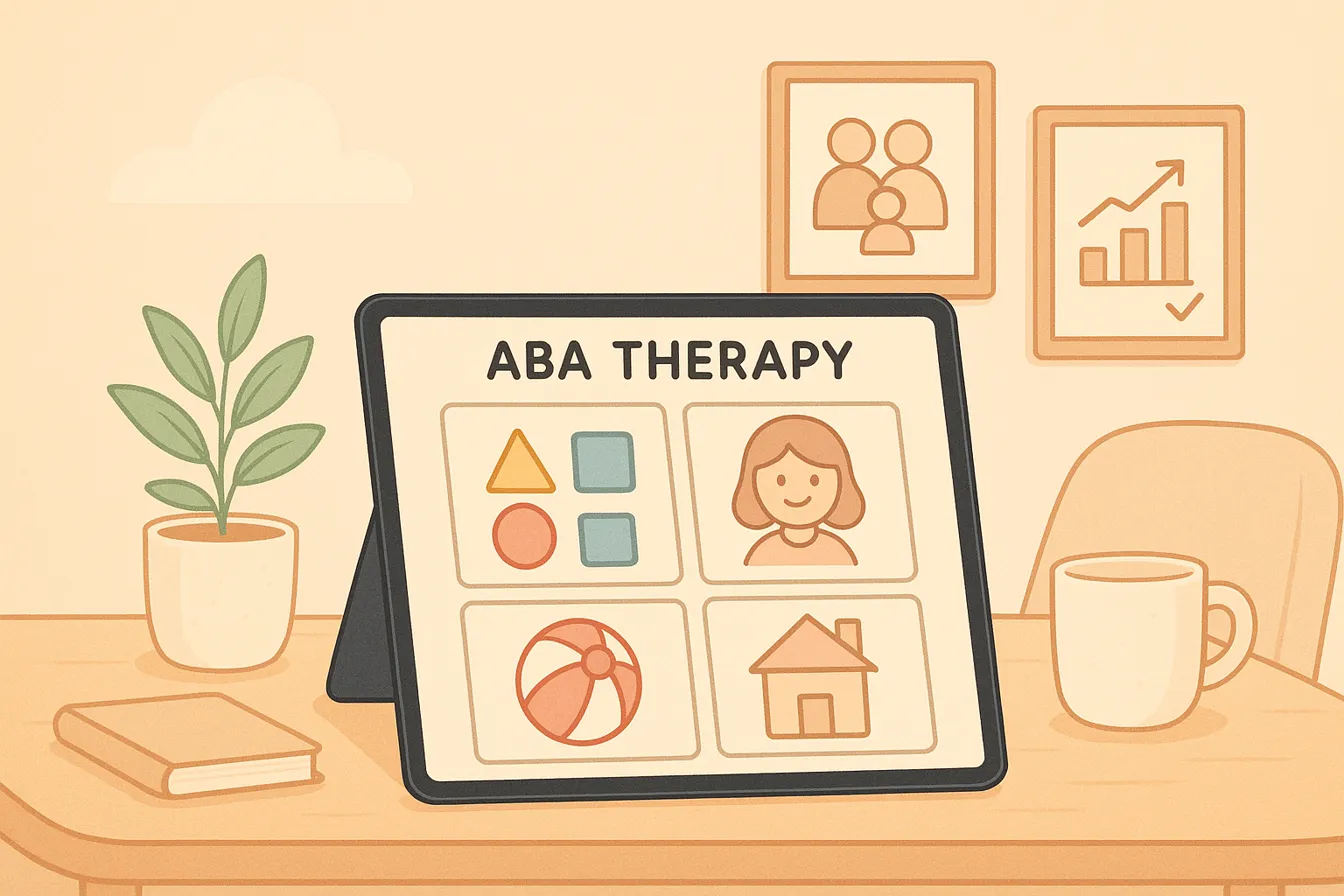
Bridging Care Gaps with Virtual ABA Therapy
Understanding Telehealth ABA Therapy
Telehealth ABA therapy delivers Applied Behavior Analysis services remotely via secure video platforms, enabling children with autism to receive effective treatment from the comfort of their homes. This innovative approach preserves the core principles of traditional ABA while integrating technology to facilitate skill development, behavior management, and continuous progress monitoring.
Expanding Accessibility for Families
Virtual ABA therapy significantly reduces geographical and logistical barriers, offering families in rural and underserved areas improved access to qualified behavioral therapists. By eliminating the need for travel, it decreases associated costs such as transportation and lost work time, making therapy more affordable and consistent. This inclusivity ensures that children receive timely interventions regardless of location.
The Vital Role of Parents and Caregivers
A cornerstone of telehealth ABA success is the active involvement of parents and caregivers. Through real-time coaching and training during sessions, families become empowered to implement ABA strategies in daily routines, reinforcing skill acquisition and generalization. This collaboration nurtures a supportive environment that extends beyond scheduled therapy, fostering sustained developmental gains.
Flexible Therapy Formats Tailored to Needs
Telehealth ABA offers various delivery models—synchronous live sessions, asynchronous guided activities, and hybrid approaches—allowing customization to individual child and family needs. Sessions typically incorporate engaging interactive tools and natural environment teaching techniques. The adaptability of virtual therapy ensures that interventions remain effective and responsive to each child's progress and circumstances.
Understanding Telehealth ABA Therapy and Its Effectiveness
What is telehealth ABA therapy?
Telehealth ABA therapy delivers Applied Behavior Analysis services remotely through secure video conferencing platforms, enabling children with autism to receive personalized treatment right in their natural environment, such as their home. This approach integrates parent involvement in telehealth ABA, empowering families to reinforce skills and implement strategies in everyday routines. Telehealth broadens access to quality therapy, especially for families in rural or underserved communities, by eliminating travel burdens and increasing convenience. Therapy formats vary, including individual child sessions, group social skills classes, and real-time parent coaching, all tailored to the child's unique needs. Telehealth ABA therapy has become especially invaluable during emergencies like the COVID-19 pandemic, ensuring continuity of care during emergencies and flexibility in care.
Is virtual ABA therapy effective for children with autism?
Extensive research supports the Effectiveness of Telehealth ABA Therapy, showing outcomes comparable to traditional in-person sessions. Children achieve significant progress in communication, socialization, and adaptive behaviors when receiving telehealth services. The use of Natural Environment Teaching in Telehealth and Discrete Trial Training via Telehealth strategies through telehealth helps skill acquisition, generalization, and maintenance. Caregiver participation is crucial; Parent coaching in ABA enhances skill transfer and sustains gains by integrating learning into daily life. Flexible delivery models—including Synchronous telehealth live sessions, asynchronous learning modules, and Hybrid telehealth models—allow customization to meet diverse needs while maintaining Treatment adherence and fidelity. Secure, HIPAA-compliant platforms ensure privacy and support interactive, real-time engagement.
What drives success in telehealth ABA?
- Parent involvement in telehealth ABA: Coaching parents remotely enables consistent practice and supports generalization of skills beyond sessions.
- Natural Environment Teaching in Telehealth: Using the child’s home environment enhances relevance and encourages real-life application of learning.
- Flexible Delivery Options: Synchronous, asynchronous, and hybrid formats accommodate schedules and optimize therapy adherence.
- Secure, HIPAA-Compliant Platforms: Privacy-compliant technology safeguards sessions and facilitates smooth communication.
Telehealth ABA therapy stands as a compassionate, effective, and accessible option for families seeking personalized autism support, emphasizing collaboration, practical strategies, and continuous progress in the familiar setting of home.
Strategies to Enhance Engagement During Virtual Sessions

Establishing a distraction-free and consistent therapy environment
Creating a quiet, organized, and distraction-free space is essential for effective Tips for Virtual ABA Sessions. This includes choosing a dedicated area with minimal background noise, turning off device notifications, and establishing a regular session schedule with Visual timers for attention in ABA sessions. Consistency helps children feel comfortable and prepared for therapy, improving focus and learning outcomes.
Use of interactive tools like screen sharing, virtual whiteboards, and gamified platforms
Interactive features such as Screen sharing in virtual ABA and virtual whiteboards enliven sessions by allowing therapists to present visuals, flashcards, and real-time feedback. Gamified learning platforms like Prodigy and TeachTown programs provide structured play and visual rewards that boost motivation and skill practice during virtual therapy.
Incorporation of familiar and fun activities tailored to the child's interests
Therapists enhance engagement by integrating familiar and enjoyable activities, such as Lego building, Interactive games and storytelling like "Simon Says," storytelling, and digital flashcards. Tailoring these activities to the child’s preferences encourages participation and supports multiple skill domains, including communication and social interaction.
Leveraging technology aids such as visual timers and reinforcement systems
Visual aids like Timers, schedules, and emotion charts help maintain predictability and assist in managing transitions. Digital reinforcement tools including token boards, point systems, and sticker charts deliver immediate rewards, sustaining motivation and encouraging positive behaviors throughout sessions.
Parent and caregiver roles in maintaining attention and participation
Active involvement of parents and caregivers is vital. They support attention by helping manage the environment, scaffold tasks, and reinforce learned skills between sessions. Remote coaching for skill generalization empowers caregivers to implement strategies, fostering skill generalization and improving therapy outcomes.
The Crucial Role of Family and Caregiver Participation

Parent coaching and training during telehealth sessions
[Telehealth ABA therapy strongly emphasizes parent coaching], where therapists guide caregivers in real time to implement ABA strategies effectively. This direct involvement equips parents with the skills needed to support their child's development throughout daily routines, not just during sessions.
Supporting skill generalization through caregiver involvement
Caregivers actively participate in therapy, promoting the transfer of learned skills to natural environments such as home and community settings. This consistent reinforcement enhances skill retention and generalization, vital for lasting progress.
Benefits of observing the home environment to tailor interventions
[Telehealth allows therapists to observe children in their actual living spaces], providing valuable insights. Understanding the home environment helps therapists customize interventions to fit family routines and address specific behavioral contexts, improving therapy relevance and outcomes.
Empowerment of families through resources and continuous communication
Families receive ongoing support through coaching, resource tools like online training modules such as [ImPACT Online], and regular feedback. Continuous communication fosters confidence and empowerment, enabling parents to contribute actively to their child’s progress.
Collaboration between therapists and caregivers for goal setting and progress review
Therapists and caregivers work together to establish precise, measurable goals tailored to the child's needs as described in [Setting Goals in ABA Therapy]. Regular progress reviews ensure treatment plans remain effective and adaptable, supporting ethical and data-driven decision-making.
The partnership between families and therapists during telehealth ABA therapy is essential. It enhances treatment effectiveness, promotes personalized care, and ensures skills are maintained and generalized across environments, ultimately benefiting children with autism and their families.
Measuring Progress and Ensuring Trustworthy Data in Virtual ABA
What types of measurements are commonly used in Applied Behavior Analysis (ABA) therapy?
In Applied Behavior Analysis (ABA) therapy, several measurement methods are utilized to track and evaluate behavior changes effectively. The most common are:
- Frequency: Counts how often a behavior occurs within a specific time frame.
- Duration: Measures how long a behavior lasts.
- Latency: Notes the time elapsed before a behavior begins after a prompt or event.
- Interval Recording: Assesses whether a behavior occurs during specific intervals of observation.
These varied measurement techniques allow behavior analysts to capture a comprehensive and nuanced picture of a child's progress, tailored to individual therapy goals. Accurate measurement is essential for modifying treatment plans, ensuring the most effective support for children with autism. These tools help both clinicians and families understand developmental milestones and successes, guiding ongoing therapy improvements.
What are the key indicators of trustworthy measurement in ABA therapy?
Trustworthy measurement is vital for ensuring that ABA interventions are both effective and personalized. Important indicators include:
- Validity: Measurements truly reflect the targeted behavior.
- Accuracy: Data collected is correct and free from errors.
- Reliability: Consistency of measurement across different times and observers.
- Standardized Protocols: Clearly defined, replicable methods of data collection.
- Sensitivity: Ability to detect meaningful changes in behavior over time.
These indicators ensure that therapy decisions are based on dependable and unbiased information. They also support ethical practices and transparent communication between therapists and families.
How do digital tools facilitate progress tracking in virtual ABA?
Digital data collection and analysis platforms designed for ABA enhance precision and organization, especially in telehealth settings. These tools enable:
- Real-time data entry during virtual sessions.
- Automated progress graphs and reports.
- Secure storage and easy sharing with families and multidisciplinary teams.
Such technology supports continuous monitoring and empowers families' active participation in goal setting and treatment adjustments. For more on digital tools for telehealth ABA monitoring and using technology to boost attention in virtual ABA sessions.
Why is regular reporting and collaboration with families important?
Routine progress reports keep families informed and engaged, fostering collaboration with therapists. This partnership allows for:
- Clear communication about achievements and challenges.
- Timely adjustment of goals to match the child’s evolving needs.
- Empowerment of caregivers to reinforce skills in daily environments.
Related insights can be found in setting goals and measuring your child's ABA progress and best practices for virtual therapy sessions.
Why measure skill generalization and maintenance?
Measuring progress beyond direct therapy sessions ensures that newly learned skills transfer to natural settings and remain over time. Tracking generalization and maintenance confirms that interventions lead to meaningful life improvements and long-term success. Learn more about generalization and maintenance in ABA and natural environment teaching in telehealth.
Through reliable measurement methods and ongoing collaboration, virtual ABA therapy effectively guides interventions to support children’s unique developmental journeys.
Effective Approaches to Progress Tracking in ABA and Speech Therapy
How can progress be effectively measured and tracked in ABA and related therapies?
Tracking progress in ABA therapy starts with Collaborative Goal Setting between therapists and families. These goals are specific, measurable, and tailored to meet each child's unique needs. Baseline assessments are conducted to establish starting points, allowing for meaningful evaluation of improvements.
Regular, ongoing Measuring Progress in ABA Therapy is essential and often involves recording frequencies, durations, and accuracy of target behaviors or skills. Tools such as charts, video recordings, and digital apps facilitate objective tracking over time. Both quantitative data (like response rates or behavioral occurrences) and qualitative observations (including emotional engagement and social interactions) are integrated to provide a holistic view of progress.
Interpreting data trends enables therapists to customize treatment approaches and adjust interventions responsively. Continuous collaboration with caregivers ensures that insights from home environments are incorporated, and families remain active partners in reinforcing skills and celebrating successes.
How is progress measured in speech therapy for children with autism?
In speech therapy, progress measurement focuses on communication and language development through systematic data collection. Therapists gather speech samples, conduct language assessments, and monitor observable communication behaviors such as vocabulary use, sentence formation, and conversational abilities.
Within an ABA framework, individualized treatment plans are developed with emphasis on positive reinforcement, helping children apply communication skills across different environments. Family involvement enhances the generalization of these skills through daily practice and support.
By combining structured data tracking with active caregiver participation, therapists ensure that speech therapy effectively promotes meaningful communication growth and integrates with the child's broader developmental progress.
Balancing Screen Time and Managing Developmental Concerns in Virtual Therapy
What are the effects of excessive screen time or virtual exposure on children’s development?
Excessive screen time or virtual exposure can significantly impact children's development. It may contribute to language delays because children engage less in face-to-face interactions that are essential for acquiring communication skills. Additionally, too much screen use can reduce attention spans and increase hyperactivity, making it more challenging for children to focus and regulate their behavior. Overexposure may also limit opportunities to develop social skills and emotional regulation by reducing real-world social experiences.
Why is combining virtual therapy with real-world interactions and play important?
Virtual therapy, such as telehealth ABA therapy, provides valuable learning opportunities in a familiar environment but should be complemented with real-world interactions and play. Engaging in play supports the generalization of skills taught during therapy to everyday activities and social contexts. Real-world experiences promote natural social engagements, emotional growth, and help children apply learned behaviors with peers and family. Integrating in-person activities ensures a balanced approach supporting all developmental domains.
What strategies can help mitigate negative effects of screen time during virtual therapy?
To minimize the developmental risks of extended screen time, families and therapists can structure virtual sessions to include breaks and off-screen activities. Scheduling short, varied sessions with interactive and sensory-friendly elements helps maintain engagement without overwhelming the child. Encouraging play breaks, outdoor activities, and hands-on learning between sessions balances digital interaction with physical and social experiences. Using visual timers and clear routines can help children anticipate transitions from screen to off-screen activities smoothly.
How do therapists and caregivers support monitoring and regulating screen use?
Therapists work closely with caregivers to monitor children’s behavioral indicators that may suggest screen overuse, such as irritability, difficulty focusing, or withdrawal. They coach families on setting limits and creating distraction-free environments during sessions. Caregiver involvement in telehealth ABA is critical for reinforcing skills off-screen and maintaining consistency across settings. Ongoing communication and data sharing allow adjustments to therapy plans to support healthy screen habits and developmental progress.
What sensory-friendly technological supports aid in regulating input during virtual sessions?
Technology tools designed to be sensory-friendly can help regulate sensory input during virtual therapy. Options include noise-canceling headphones to reduce auditory overload and screen filters to limit brightness and visual distractions. Interactive platforms that incorporate visual schedules, token boards, and calming visuals assist children in remaining focused without becoming overstimulated. These supports ensure that virtual sessions are comfortable and engaging, promoting sustained attention and positive learning outcomes. For more on using technology to boost attention in virtual ABA sessions.
Optimizing Virtual ABA Therapy for Lasting Success
Ensuring Engagement and Measurable Progress
Virtual ABA therapy thrives on creating an engaging, distraction-free environment that mirrors real-world interactions. Techniques such as incorporating interactive games, visual aids, and technology tools like digital token boards help sustain children's motivation. Regular and objective data collection ensures measurable progress by tracking behavior frequency, accuracy, and generalization across settings, guiding therapy adjustments.
The Role of Caregiver Collaboration
Caregivers act as vital partners, participating actively during sessions and reinforcing ABA strategies throughout daily routines. Remote coaching empowers parents with skills to support consistent behavior management and skill generalization, significantly enhancing therapy outcomes and fostering child development.
Embracing Hybrid and Technology-Enhanced Models
The future of virtual ABA incorporates hybrid models combining telehealth with in-person support, augmented by technologies like virtual reality and sophisticated data platforms. These advancements promise greater personalization, improved engagement, and wider accessibility, especially benefiting families in remote or underserved areas.
Telehealth as a Reliable Therapy Option
Families are encouraged to embrace telehealth ABA as a dependable and effective alternative. With credentials ensuring quality care and adaptable formats to meet diverse needs, telehealth offers a practical, evidence-based pathway to support children with autism in their familiar environments, promoting sustainable progress and family empowerment.


Ready To Begin
Get the Support Your Child Truly Deserves
Start your journey with EverCare ABA today. Our team will answer questions, verify insurance, and guide you through every step—so your child can begin thriving with the care they need.