Our Blog

ABA and School Collaboration: How Ever Care ABA Supports Your Child Beyond the Classroom

Key Points:
- Children often work with multiple therapists, but without coordination, progress can feel fragmented across settings.
- At Ever Care ABA, we help align what your child learns at school with ABA support at home so skills carry over into everyday life.
- Integrated ABA care ensures consistent learning across environments, helping skills stick and grow.

If your child has multiple needs and you are juggling five therapists who never talk to each other, take a breath. We see you. We hear you. And we are here to help.
At Ever Care ABA, we know what it feels like to live in a calendar packed with appointments. Speech on Monday. OT on Tuesday. Behavior on Wednesday. Feeding on Thursday. Social skills on Friday. The to-do list never ends.
So, when your child gets ABA therapy at school, that support should not stop at the school door.
When Your Child Has Multiple Needs
Many parents come to us feeling stretched thin. Their child is not just struggling with one thing. It is behavior. It is communication. It is eating. It is sleeping. It is transitions. It is all of it.
You have probably noticed something strange, too. Your child made progress in speech therapy. Then their behavior got worse. They learned skills in one setting. Those skills never showed up at home.
Isolated interventions create isolated growth. Children need an integrated approach where every adult in their life is working from the same playbook.
That is exactly what Ever Care ABA was built to provide.
ABA in Schools Explained
So what does ABA look like in a school setting? Schools often use ABA principles to help students with autism succeed. Here are some common examples:
- Visual schedules that help students transition between activities
- Token boards that reward focus and completion
- One-on-one aides who use prompts and reinforcement
- Social skills groups during lunch or recess
- Behavior plans tied to IEP (Individualized Education Program) goals
This support is valuable. But it has limits. School ABA usually stops when the bell rings. It often focuses on classroom behaviors. It rarely addresses what happens at home during dinner, bath time, or the morning routine.
That is where we come in.
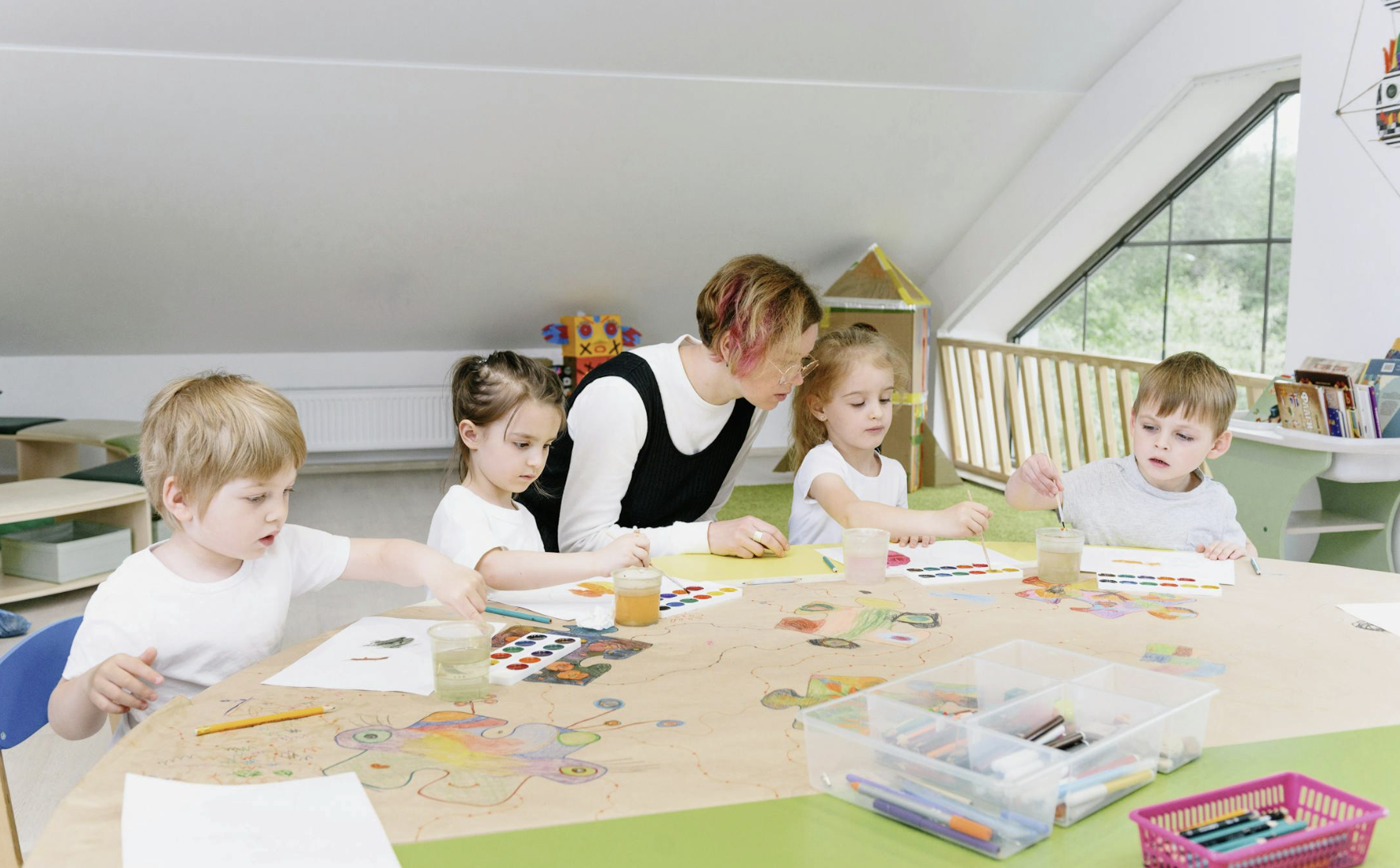
Ask Us About Integrating Therapy With IEP Goals
If your child has an Individualized Education Program (IEP), those goals are gold. They tell us exactly what the school is working on. They also show us where the gaps are.
Our team takes time to review IEP goals with you. We look at what the school is targeting. Then we build a home plan that supports the same skills in a different environment. This is the heart of integrating therapy with IEP goals.
For example, if your child is working on requesting help at school, we work on requesting help at the grocery store. If they are learning turn-taking in class, we practice it during family game nights. If they are managing transitions between subjects, we practice transitions between activities at home.
Our Comprehensive Therapy program is built for children with multiple needs. We address behavior, communication, daily living skills, and social development all at once. No more siloed care.
For families who need a tighter focus, our Focused Therapy targets specific skills that complement what the school is already doing.
Why Coordination Matters
Children with autism often struggle to generalize skills. That means a skill learned in one place may not show up in another. The classroom is calm and structured. Home is loud and unpredictable. A skill that works at school may fall apart by 5 PM.
This is why ABA and school collaboration is so important. When the school therapist, the home therapist, and the parents are all on the same page, magic happens. Skills travel. Progress sticks. Your child does not have to relearn the same thing in three different places.
How Home-Based ABA Fits In
After a long school day, the last thing you want is to load your child back into the car for another appointment. That is why our In-Home ABA Therapy is such a relief for many families.
Our therapists come to you. They work with your child in the spaces where life really happens. The kitchen. The bedroom. The backyard. The living room.
Here is why this matters:
- Mealtime struggles can be addressed at the dinner table
- Bedtime routines can be practiced at bedtime
- Sibling conflicts can be worked on with siblings present
- Morning routines can be supported before school
When your child gets ABA therapy at school, in-home services pick up where the school leaves off. The same skills get reinforced in real-life situations.

When You Cannot Have a Therapist in Your Home
Some families love having a therapist visit. Others prefer more privacy. Some live in areas where in-person services are limited. Our Virtual ABA Services make it easy to get support from anywhere.
Through a screen, our therapists can:
- Coach you through tough moments in real time
- Model strategies for you to try
- Observe your child in their natural environment
- Adjust plans based on what is happening that week
Virtual care fits into busy lives. No drive time. No waiting rooms. Just real support when you need it.
You Deserve a Team That Works Together
If your child is getting ABA therapy at school, let us help you build the home side of the plan. Together, we can create one cohesive approach that supports your child everywhere they go.
Contact us to learn more about our services and connect with our team. You do not have to do this alone. Help is here.

FAQs
1. What is ABA therapy, and how does it help children with autism?
ABA (Applied Behavior Analysis) is a structured, evidence-based approach that helps children build communication, social, daily living, and behavior skills. For children with Autism Spectrum Disorder, it focuses on teaching meaningful skills and reducing behaviors that interfere with learning and daily life.
2. How is school-based ABA different from home-based ABA therapy?
School-based ABA usually supports classroom routines like transitions, group learning, and following instructions. Home-based ABA focuses on everyday life skills such as mealtime routines, bedtime, communication at home, and sibling interactions. Both are helpful, but they often serve different environments.
3. Why is coordination between therapists so important?
When therapists work separately, skills can become “stuck” in one setting. Coordination ensures everyone is working toward the same goals so children can apply skills across school, home, and community settings. This consistency helps progress last longer and generalize more effectively.
4. How does Ever Care ABA use IEP goals in therapy?
At Ever Care ABA, we review your child’s Individualized Education Program (IEP) to understand school-based goals. We then align home or clinic-based therapy to reinforce those same skills in real-life settings, helping your child practice and generalize what they learn at school.
5. What is Comprehensive vs. Focused ABA Therapy?
Comprehensive ABA targets multiple areas of development at once, including communication, behavior, social skills, and daily living. Focused ABA targets specific skills or challenges. The choice depends on your child’s needs and what level of support will be most effective.
6. Can ABA therapy continue if in-home sessions are not possible?
Yes. If in-home therapy is not suitable or accessible, virtual ABA services can still provide meaningful support. Therapists can coach parents in real time, observe routines, and guide strategies to help families apply skills in everyday situations. Contact us for support.


Ready To Begin
Get the Support Your Child Truly Deserves
Start your journey with EverCare ABA today. Our team will answer questions, verify insurance, and guide you through every step—so your child can begin thriving with the care they need.